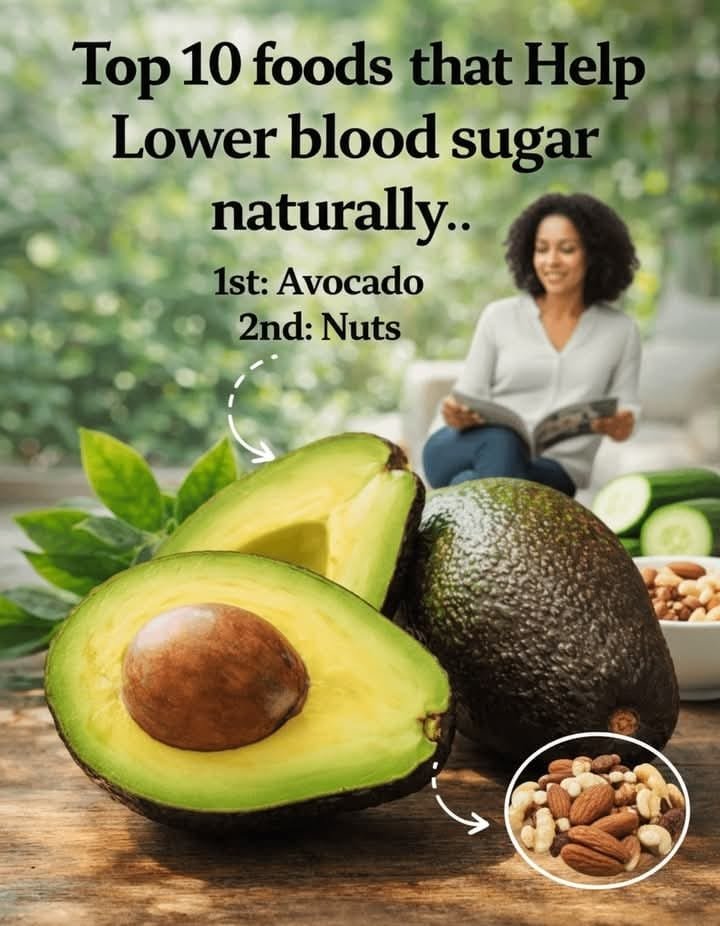
10 Power Foods for Stable Blood Sugar: A Natural Approach to Glucose Management
Discover 10 science-backed power foods that help support stable blood sugar levels naturally and promote long-term metabolic health.
Introduction: Why Blood Sugar Stability Matters More Than Ever
Blood sugar balance isn’t only a concern for people with diabetes. In today’s world—where processed foods, stress, and sedentary habits are common—unstable glucose levels affect millions of people, often without obvious symptoms.
Blood sugar spikes and crashes can lead to:
-
Fatigue and brain fog
-
Sugar cravings
-
Mood swings
-
Weight gain
-
Increased long-term risk of metabolic disorders
The good news? Food is one of the most powerful tools you have to support steady blood sugar levels—naturally and sustainably.
In this article, you’ll discover 10 power foods that help slow glucose absorption, improve insulin sensitivity, and support overall metabolic health. This guide is designed for beginners and advanced readers alike, with practical tips you can apply immediately.
⚠️ Disclaimer: This content is for educational purposes only and does not replace medical advice. Always consult a healthcare professional for personalized guidance.
Understanding Blood Sugar Basics (Quick Overview)
What Is Blood Sugar?
Blood sugar (glucose) is the body’s main source of energy. After you eat, carbohydrates break down into glucose, which enters the bloodstream. Insulin then helps move glucose into cells.
What Causes Blood Sugar Spikes?
-
Refined carbohydrates
-
Added sugars
-
Lack of fiber
-
Skipping meals
-
Chronic stress
-
Poor sleep
Choosing the right foods helps slow digestion, reduce glucose surges, and keep energy levels stable.
The 10 Power Foods for Stable Blood Sugar
1. Leafy Green Vegetables
Examples: Spinach, kale, Swiss chard, arugula
Why They Work
Leafy greens are low in carbohydrates and rich in fiber, magnesium, and antioxidants—nutrients that support insulin sensitivity.
Benefits
-
Minimal impact on blood sugar
-
Supports cellular glucose uptake
-
Promotes gut and heart health
How to use:
Add to salads, smoothies, omelets, or sauté lightly with olive oil.
2. Avocados
Avocados are rich in healthy monounsaturated fats and fiber—two key components for blood sugar control.
Benefits
-
Slows carbohydrate digestion
-
Reduces post-meal glucose spikes
-
Improves satiety and weight management
Tip: Pair avocado with meals that contain carbohydrates to blunt glucose rises.
3. Berries (Especially Blueberries & Raspberries)
Unlike many fruits, berries have a low glycemic load and are packed with polyphenols.
Benefits
-
Improves insulin response
-
Reduces oxidative stress
-
Supports brain and heart health
Best options:
-
Blueberries
-
Raspberries
-
Strawberries
4. Eggs
Eggs are a complete protein and contain virtually no carbohydrates.
Why They’re Powerful
Protein helps slow digestion and reduces glucose spikes after meals.
Benefits
-
Supports muscle and metabolic health
-
Improves fullness
-
Helps regulate appetite hormones
Best practice: Pair eggs with vegetables instead of refined carbs.
5. Legumes (Lentils, Chickpeas, Black Beans)
Legumes are rich in resistant starch and fiber, which slows glucose absorption.
Benefits
-
Stabilizes blood sugar
-
Improves gut microbiome
-
Supports heart health
Portion control matters, but when eaten mindfully, legumes are excellent for glucose management.
6. Nuts (Almonds, Walnuts, Pistachios)
Nuts provide a balanced combination of healthy fats, protein, and fiber.
Benefits
-
Reduces post-meal blood sugar spikes
-
Improves insulin sensitivity
-
Supports cardiovascular health
Serving size: A small handful (about 1 ounce)
7. Greek Yogurt (Unsweetened)
Greek yogurt contains protein and probiotics that support metabolic health.
Benefits
-
Slows carbohydrate digestion
-
Improves gut health, which influences glucose regulation
-
Supports muscle maintenance
Avoid: Flavored varieties with added sugars.
8. Fatty Fish (Salmon, Sardines, Mackerel)
Fatty fish are rich in omega-3 fatty acids, which reduce inflammation linked to insulin resistance.
Benefits
-
Improves insulin sensitivity
-
Supports heart and brain health
-
Reduces chronic inflammation
Recommended: 2 servings per week.
9. Whole Grains (Oats, Quinoa, Barley)
Not all carbohydrates are harmful. Whole grains contain fiber and nutrients that slow digestion.
Why They’re Better Than Refined Grains
-
Lower glycemic impact
-
Higher fiber content
-
Improved blood sugar response
Tip: Always pair grains with protein or fat.
10. Cinnamon
Cinnamon isn’t just a spice—it’s a functional food with blood sugar–supporting properties.
Benefits
-
Helps improve insulin sensitivity
-
May reduce fasting blood glucose levels
-
Adds sweetness without sugar
How to use: Sprinkle on oatmeal, yogurt, or coffee.
How to Combine These Foods for Best Results
Blood sugar control isn’t about one food—it’s about balance.
Smart Plate Formula
-
½ plate: Non-starchy vegetables
-
¼ plate: Protein
-
¼ plate: Fiber-rich carbohydrates
-
Add healthy fats
This combination slows digestion and keeps glucose levels steady.
Common Mistakes That Destabilize Blood Sugar
-
Skipping meals
-
Drinking sugary beverages
-
Relying on low-fat, high-sugar foods
-
Eating carbohydrates alone
-
Ignoring sleep and stress
Food works best when combined with consistent habits.
Practical Daily Tips for Glucose Stability
-
Eat at regular intervals
-
Start meals with fiber or protein
-
Stay hydrated
-
Walk for 10–15 minutes after meals
-
Prioritize sleep
-
Manage stress
These habits amplify the benefits of power foods.
Frequently Asked Questions (People Also Ask)
1. Can these foods prevent diabetes?
They support healthy blood sugar regulation but do not replace medical care.
2. How fast do these foods work?
Some effects occur immediately after meals; long-term benefits require consistency.
3. Can fruit raise blood sugar?
Yes, but low-glycemic fruits like berries are generally better choices.
4. Are carbs bad for blood sugar?
Refined carbs are problematic; whole carbs in balanced meals are beneficial.
5. Is fasting good for blood sugar?
It varies by individual and should be done under guidance.
6. How much protein is ideal?
Enough to feel satisfied—typically 20–30g per meal for many adults.
7. Can stress affect blood sugar?
Yes. Stress hormones raise blood glucose levels.
8. Do artificial sweeteners help?
They may reduce sugar intake but can still affect insulin response in some people.
Latest Trends in Natural Glucose Management
-
Personalized nutrition plans
-
Continuous glucose monitoring (CGM)
-
Gut microbiome research
-
Anti-inflammatory dietary patterns
-
Whole-food–focused lifestyle medicine
Nutrition science increasingly confirms that daily food choices shape long-term metabolic health.
Final Thoughts
Stable blood sugar isn’t about restriction—it’s about smart nourishment.
By consistently including these 10 power foods, you support:
-
Balanced energy
-
Fewer cravings
-
Better focus
-
Long-term metabolic health
Small, intentional choices—made daily—can create powerful results over time.
Call To Action
If this guide helped you:
-
✅ Share it with friends or family
-
💬 Comment with your favorite blood sugar–friendly food
-
📌 Save it as a reference for meal planning
Your health is built one meal at a time—make each one count. 🥗💪