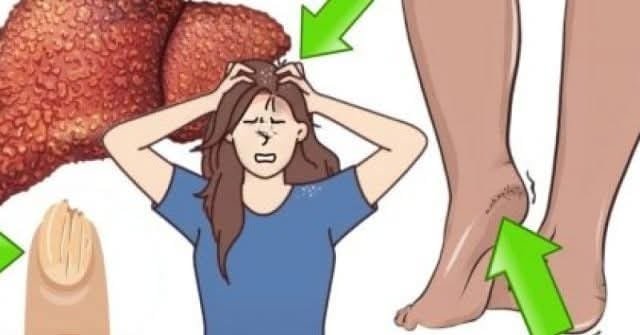
12 Early Signs of Liver Cirrhosis That Require Special Attention from Doctors
Learn the early warning signs of liver cirrhosis, why they’re often missed, and when to seek medical care before serious damage occurs.
3. Introduction
Liver cirrhosis doesn’t usually announce itself loudly.
In fact, one of the most dangerous things about cirrhosis is how quietly it can begin. Many people in the U.S. live with early-stage liver damage for years without realizing it—until symptoms suddenly worsen and treatment options become more limited.
The liver is incredibly resilient. It can compensate for damage for a long time, which is why early signs are often subtle, vague, or mistaken for everyday stress, aging, or digestive issues.
This article is designed to help you recognize early warning signs of liver cirrhosis that should never be ignored.
You’ll learn:
-
What cirrhosis really is (in plain English)
-
Why early symptoms are easy to miss
-
12 early signs doctors take seriously
-
Who is at higher risk in the U.S.
-
When to seek medical evaluation
This is educational, not diagnostic—but awareness saves lives.
4. What Is Liver Cirrhosis?
A Simple Explanation
Liver cirrhosis is a condition where healthy liver tissue is gradually replaced by scar tissue. As scarring increases, the liver becomes less able to perform vital functions like:
-
Filtering toxins from the blood
-
Producing proteins for blood clotting
-
Regulating cholesterol and blood sugar
-
Supporting digestion
Cirrhosis develops over time, usually due to long-term liver injury.
Common Causes in the United States
-
Chronic alcohol use
-
Non-alcoholic fatty liver disease (NAFLD)
-
Chronic hepatitis B or C
-
Certain medications or toxins
-
Autoimmune liver diseases
5. Why Early Detection Is So Important
Early-stage cirrhosis may still be partially reversible or slowable, depending on the cause.
Once cirrhosis progresses to advanced stages, complications can include:
-
Internal bleeding
-
Fluid buildup
-
Infections
-
Liver failure
That’s why doctors emphasize early recognition and monitoring.
6. 12 Early Signs of Liver Cirrhosis Doctors Take Seriously
1. Persistent Fatigue and Weakness
Feeling tired all the time—even after rest—is one of the most common early signs.
Why it happens:
-
The liver struggles to process toxins
-
Energy metabolism becomes less efficient
This fatigue is often deeper than “normal tiredness” and doesn’t improve with sleep.
2. Loss of Appetite
A reduced desire to eat may appear early and gradually.
This can lead to:
-
Unintended weight loss
-
Nutrient deficiencies
People often blame stress or aging, but doctors see appetite loss as a potential red flag when combined with other symptoms.
3. Nausea or Mild Digestive Discomfort
Early liver dysfunction can affect bile production and digestion.
Possible signs include:
-
Frequent nausea
-
Feeling full quickly
-
Mild abdominal discomfort
These symptoms may come and go, making them easy to dismiss.
4. Unexplained Weight Loss
Losing weight without trying—especially muscle mass—can signal liver stress.
In cirrhosis, the body may:
-
Break down muscle for energy
-
Struggle to process nutrients
Unintentional weight loss always warrants medical evaluation.
5. Abdominal Bloating or Discomfort
Early fluid imbalance or liver enlargement may cause:
-
A sense of fullness
-
Pressure in the upper right abdomen
This is different from typical bloating related to food.
6. Easy Bruising or Bleeding
The liver produces proteins essential for blood clotting.
Early cirrhosis may cause:
-
Frequent bruising
-
Nosebleeds
-
Bleeding gums
People often notice bruises without remembering an injury.
7. Itchy Skin (Without a Rash)
Persistent itching—especially at night—can be an early sign.
Why it happens:
-
Bile salts may accumulate in the bloodstream
This itching often has no visible rash and doesn’t respond well to typical creams.
8. Dark Urine or Pale Stools
Changes in bile processing can affect waste elimination.
Early signs include:
-
Dark, tea-colored urine
-
Light or clay-colored stools
These changes should always be evaluated by a doctor.
9. Yellowing of the Eyes (Early Jaundice)
Mild yellowing of the whites of the eyes may appear before skin changes.
This occurs when:
-
Bilirubin builds up in the blood
Even subtle yellowing is a medical concern.
10. Redness on Palms or Spider-Like Veins
Some people notice:
-
Red palms
-
Small spider-like blood vessels on the skin
These are linked to hormonal changes caused by liver dysfunction.
11. Increased Sensitivity to Alcohol or Medications
If alcohol or medications suddenly cause stronger effects or side effects, it may indicate reduced liver processing capacity.
This can happen even with:
-
Small amounts of alcohol
-
Previously tolerated medications
12. Brain Fog or Trouble Concentrating
Early liver dysfunction can allow toxins to affect brain function.
Signs may include:
-
Difficulty focusing
-
Memory lapses
-
Feeling mentally “slow”
This is sometimes mistaken for stress or aging.
7. Who Is at Higher Risk?
People at increased risk for cirrhosis include those with:
-
Long-term alcohol use
-
Obesity or metabolic syndrome
-
Type 2 diabetes
-
Viral hepatitis
-
Family history of liver disease
Risk doesn’t guarantee disease—but it increases the need for monitoring.
8. Common Reasons Early Signs Are Missed
-
Symptoms are vague and gradual
-
They overlap with common conditions
-
People delay doctor visits
-
Liver pain is often absent
The liver can be damaged without causing sharp pain.
9. What Doctors Do When Cirrhosis Is Suspected
Evaluation may include:
-
Blood tests (liver enzymes, clotting factors)
-
Imaging (ultrasound, CT, or MRI)
-
Fibrosis assessments
-
Lifestyle and medication review
Early detection allows for targeted treatment and monitoring.
10. What Not to Do If You Notice Symptoms
Common Mistakes
-
Ignoring symptoms until they worsen
-
Self-diagnosing online
-
Using supplements without guidance
-
Continuing alcohol use
Early medical guidance matters.
11. Practical Steps You Can Take Now
-
Schedule a medical evaluation if symptoms persist
-
Be honest about alcohol and medication use
-
Maintain a balanced, liver-supportive diet
-
Avoid unnecessary supplements
-
Follow up consistently
12. FAQs (People Also Ask Style)
Can liver cirrhosis be detected early?
Yes, early stages can often be identified through tests.
Is cirrhosis always caused by alcohol?
No. Fatty liver disease and hepatitis are common causes.
Are early symptoms reversible?
Some early changes may improve if the cause is addressed.
Does cirrhosis cause pain?
Often no pain in early stages.
Can blood tests detect cirrhosis?
They can suggest liver dysfunction but aren’t definitive alone.
How fast does cirrhosis progress?
Progression varies widely by cause and lifestyle.
Should I worry if I have one symptom?
One symptom alone isn’t diagnostic, but patterns matter.
When should I see a doctor?
If symptoms persist, worsen, or occur together.
13. Future Outlook: Why Awareness Matters More Than Ever
With rising rates of fatty liver disease in the U.S., doctors are seeing cirrhosis in younger adults than ever before.
The future of liver care depends on:
-
Early detection
-
Lifestyle intervention
-
Regular monitoring
Knowledge is a powerful first step.
14. Final Thoughts: Don’t Ignore the Quiet Signals
Liver cirrhosis rarely starts with dramatic symptoms.
It whispers before it shouts.
Paying attention to early signs—and seeking medical advice—can make a meaningful difference in outcomes.
Your liver works hard for you every day.
Listening to it early is an act of self-care.
15. Call-To-Action
If this article helped you understand early liver warning signs:
-
Share it with someone who may be at risk
-
Leave a comment with questions you’d like addressed
-
Explore more evidence-based health education
Awareness today can prevent serious complications tomorrow.