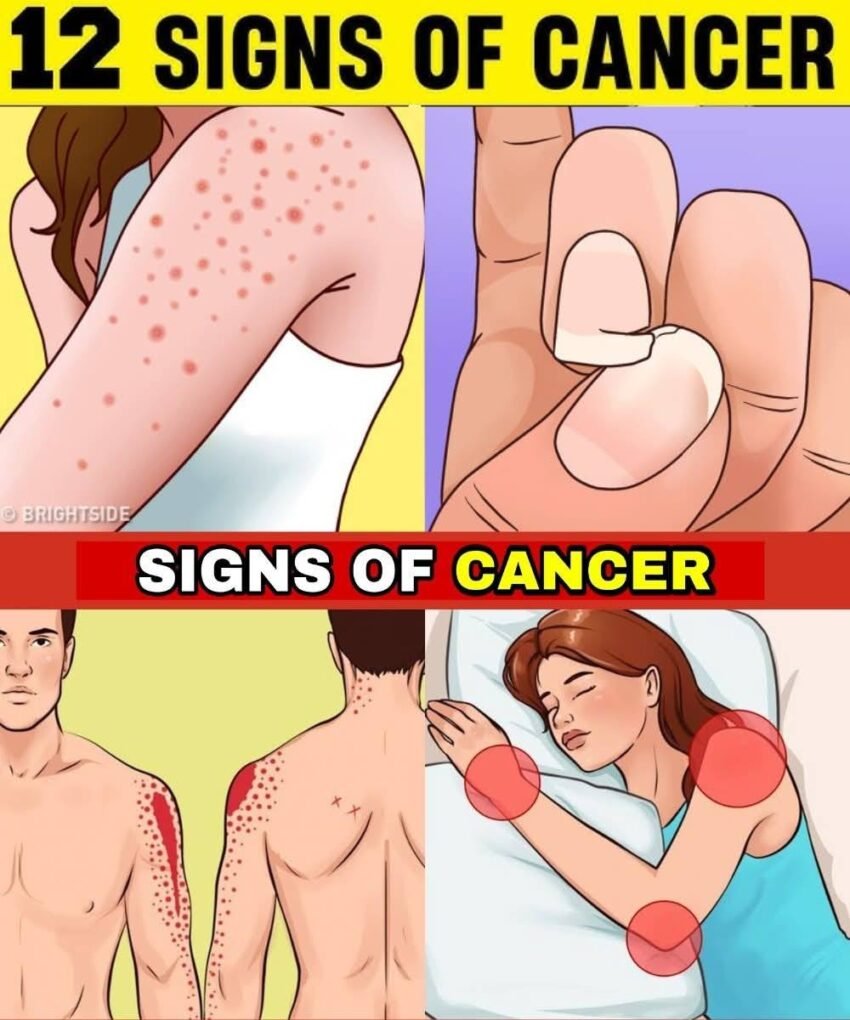
12 Early Warning Signs Your Body May Be Developing Cancer Cells
Learn the 12 early warning signs that may indicate cancer developing in the body. Discover symptoms to watch for, when to see a doctor, and why early detection matters.
Introduction
Cancer often develops silently, showing subtle signs long before it reaches an advanced stage. While many early symptoms are common and usually harmless, persistent or unexplained changes in your body should never be ignored. Recognizing potential warning signs early can significantly improve treatment outcomes and survival rates.
In this article, we explore 12 early warning signs your body may be developing cancer cells, explain what they could mean, and clarify when medical evaluation is necessary.
Important note: Experiencing one or more of these symptoms does not mean you have cancer. Only a qualified healthcare professional can make an accurate diagnosis.
1. Unexplained Weight Loss
Losing a noticeable amount of weight—typically 10 pounds (4–5 kg) or more—without changes in diet or activity may be an early sign of cancer.
Commonly associated cancers include:
-
Pancreatic cancer
-
Stomach cancer
-
Lung cancer
-
Esophageal cancer
Cancer cells can alter how your body uses energy, leading to sudden weight loss.
2. Persistent Fatigue
Fatigue linked to cancer is often deep, ongoing, and unrelieved by rest. It may result from:
-
Internal bleeding
-
Immune system response
-
Changes in metabolism
This symptom is often seen in leukemia, colon cancer, and stomach cancer.
3. Unusual Lumps or Thickened Areas
A new lump or swelling—especially one that is painless, firm, and growing—should always be checked.
Areas of concern include:
-
Breasts
-
Testicles
-
Neck
-
Armpits
-
Groin
Early evaluation can rule out benign conditions or detect cancer at a treatable stage.
4. Changes in Bowel or Bladder Habits
Persistent changes may include:
-
Chronic diarrhea or constipation
-
Blood in stool
-
Narrow stools
-
Increased urgency or pain during urination
These symptoms may be linked to colorectal, bladder, or prostate cancer.
5. Persistent or Unexplained Pain
Ongoing pain without a clear cause—especially in the back, abdomen, pelvis, or head—can sometimes signal cancer that is pressing on nerves or organs.
Pain that worsens over time or does not respond to treatment should be evaluated.
6. Unexplained Bleeding or Discharge
Any abnormal bleeding warrants medical attention, including:
-
Blood in urine or stool
-
Coughing up blood
-
Vaginal bleeding between periods or after menopause
-
Nipple discharge (not related to breastfeeding)
Such symptoms may be associated with cancers of the colon, bladder, cervix, uterus, lungs, or breast.
7. Chronic Cough or Hoarseness
A cough or hoarse voice lasting more than three weeks, especially without infection, may indicate:
-
Lung cancer
-
Throat cancer
-
Thyroid cancer
This symptom is particularly important for smokers and non-smokers alike.
8. Difficulty Swallowing or Persistent Indigestion
Ongoing problems swallowing food or chronic heartburn that doesn’t improve with treatment may be linked to:
-
Esophageal cancer
-
Stomach cancer
These symptoms should not be dismissed as simple acid reflux if they persist.
9. Changes in Moles or Skin Lesions
Skin cancer, including melanoma, often starts with visible changes. Watch for the ABCDE warning signs:
-
Asymmetry
-
Border irregularity
-
Color changes
-
Diameter larger than 6 mm
-
Evolving size, shape, or color
Any rapidly changing skin lesion should be examined promptly.
10. Frequent Infections or Slow Healing Wounds
If your immune system is compromised by cancer—especially blood cancers like leukemia—you may experience:
-
Recurrent infections
-
Cuts or wounds that heal slowly
This can be an early sign of immune system dysfunction.
11. Night Sweats or Persistent Fever
Drenching night sweats or unexplained fevers that persist may indicate cancers such as:
-
Lymphoma
-
Leukemia
These symptoms are often accompanied by fatigue and weight loss.
12. Persistent Abdominal Bloating or Pressure
Chronic bloating, pelvic pain, or a feeling of fullness—particularly in women—may be an early symptom of ovarian cancer.
If bloating is new, persistent, and unrelated to diet, it should be evaluated.
When Should You See a Doctor?
Seek medical advice if a symptom:
-
Lasts more than 2–3 weeks
-
Is unexplained or worsening
-
Occurs alongside fatigue, pain, or weight loss
-
Interferes with daily life
Early detection often leads to simpler treatment and better outcomes.
Why Early Detection Matters
When cancer is detected early:
-
Treatment options are more effective
-
Survival rates are significantly higher
-
Quality of life is often better
Routine screenings, self-exams, and awareness of bodily changes are powerful tools for prevention and early diagnosis.
Final Thoughts
Your body often sends warning signals when something isn’t right. While most symptoms are caused by non-cancerous conditions, listening to your body and acting early can save lives.
Never self-diagnose—but never ignore persistent changes either.
Disclaimer
This article is for informational purposes only and does not replace professional medical advice. Always consult a qualified healthcare provider for diagnosis and treatment.