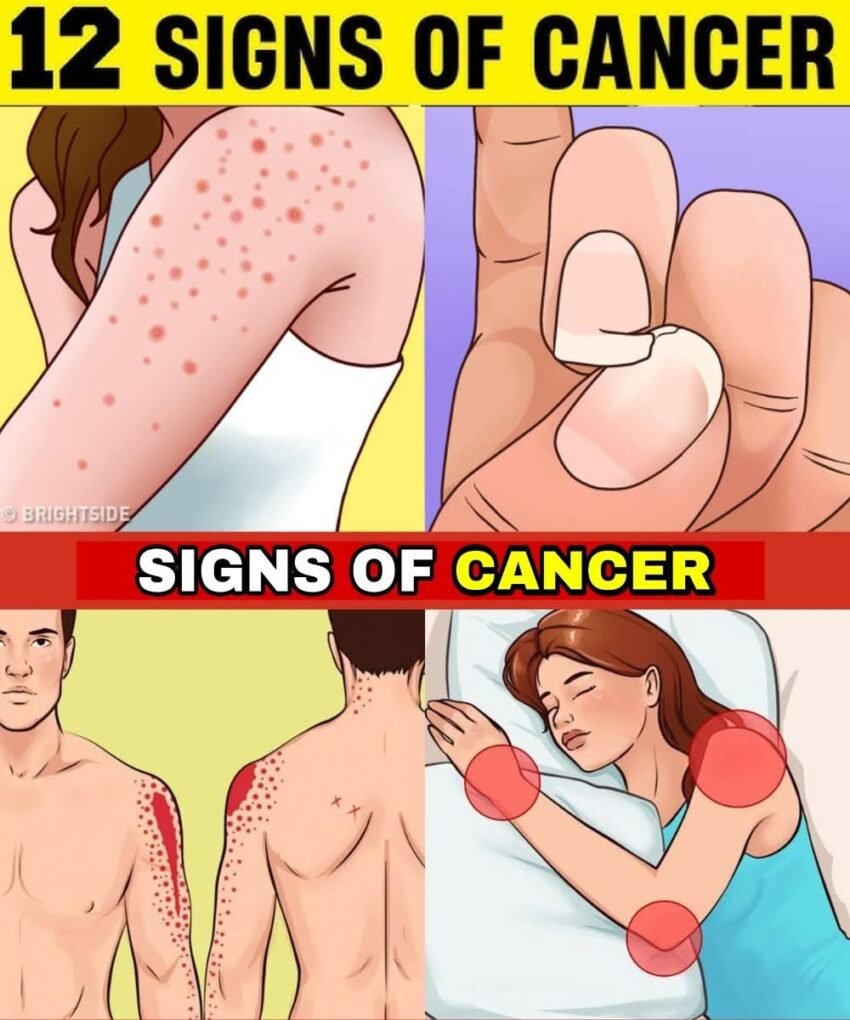
12 Early Warning Signs Your Body May Be Developing Cancer Cells
Introduction: Why Early Detection Matters
Cancer is one of the leading causes of death worldwide, but catching it early dramatically increases the chances of successful treatment. Our bodies are often giving us subtle signals long before a diagnosis is made.
While none of these signs alone confirm cancer, persistent or unusual changes should always be discussed with a healthcare professional. Awareness and timely action can save lives.
In this article, we’ll explore 12 early warning signs that may indicate your body is experiencing abnormal cell growth, along with practical guidance on what to do next.
1. Unexplained Weight Loss
Losing weight rapidly without changes in diet or exercise can be a sign of several cancers, including pancreatic, stomach, lung, or esophageal cancer.
What to watch for:
-
Losing more than 5% of your body weight in 6–12 months
-
Feeling full quickly or losing appetite
Persistent unexplained weight loss should always prompt a medical checkup.
2. Persistent Fatigue
Feeling tired even after adequate rest may signal that your body is fighting something internally.
Possible causes:
-
Cancer cells consuming the body’s energy
-
Anemia caused by cancer interfering with red blood cell production
Tip: If fatigue is ongoing, worsening, and unexplained, it’s worth consulting a doctor.
3. Unusual Lumps or Swelling
A lump or swelling in the breast, neck, armpit, or elsewhere may indicate tumor growth.
What to do:
-
Note the size, texture, and location
-
Track if it grows or changes over time
-
Seek prompt medical evaluation
Early detection is key, especially for breast, testicular, and lymphatic cancers.
4. Persistent Cough or Hoarseness
A chronic cough, coughing up blood, or hoarseness may indicate lung or throat cancer.
Red flags:
-
Cough lasting longer than three weeks
-
Shortness of breath or wheezing
-
Pain while breathing
Don’t ignore a persistent cough, even without other symptoms.
5. Changes in Skin
Skin changes can sometimes be early warning signs of skin cancer or other internal cancers.
Symptoms to watch:
-
New moles or growths
-
Sores that don’t heal
-
Dark patches or unusual pigmentation
Remember: Use the ABCDE rule for moles:
-
Asymmetry
-
Border irregularity
-
Color variation
-
Diameter >6mm
-
Evolving over time
6. Changes in Bowel or Bladder Habits
Cancer can affect the digestive and urinary systems.
Signs to notice:
-
Blood in urine or stool
-
Frequent diarrhea or constipation
-
Changes in stool shape or color
Colorectal and bladder cancers often present with these subtle changes first.
7. Persistent Indigestion or Difficulty Swallowing
Chronic heartburn, indigestion, or trouble swallowing may point to esophageal, stomach, or throat cancer.
Tip: Seek evaluation if symptoms:
-
Persist for several weeks
-
Interfere with eating or drinking
-
Are accompanied by pain or weight loss
8. Unexplained Bruising or Bleeding
Spontaneous bruising or minor bleeding may indicate blood or bone marrow cancers like leukemia.
Warning signs:
-
Frequent nosebleeds
-
Bleeding gums
-
Small purple or red spots on the skin
Sudden or unexplained bleeding should always be investigated.
9. Persistent Pain
While many pains are harmless, ongoing or unexplained pain can sometimes signal cancer.
Examples:
-
Bone pain that doesn’t improve
-
Back pain linked with kidney or pancreatic cancer
-
Headaches with unusual intensity
Persistent pain warrants professional assessment.
10. Fever or Night Sweats
Frequent fevers, especially at night, may indicate blood cancers or other malignancies.
Other red flags:
-
Chills with unexplained fever
-
Night sweats soaking clothes or sheets
-
Fatigue accompanying fever
These symptoms can also be caused by infections, but persistent or unexplained fevers should be checked.
11. Swollen Lymph Nodes
The lymphatic system can reveal early cancer activity.
Symptoms to watch for:
-
Painless swelling in neck, armpits, or groin
-
Lumps that persist for more than a couple of weeks
-
Accompanied by unexplained fatigue or fever
Enlarged lymph nodes that don’t resolve should be evaluated.
12. Persistent Mouth or Throat Problems
Oral cancers can cause early, subtle changes.
Signs include:
-
Sores that do not heal
-
White or red patches in the mouth
-
Difficulty chewing or swallowing
Early diagnosis significantly improves treatment outcomes.
What You Should Do If You Notice These Signs
-
Track your symptoms – Note when they appear, severity, and frequency.
-
Schedule a medical evaluation – Early testing can detect problems before they progress.
-
Don’t self-diagnose – Many of these signs can have benign causes, but caution is better than delay.
-
Maintain a healthy lifestyle – Balanced diet, regular exercise, avoiding tobacco and excess alcohol.
Frequently Asked Questions (FAQs)
1. Can these signs alone diagnose cancer?
No. They indicate that something may be wrong and require professional evaluation.
2. How quickly should I see a doctor?
If symptoms persist more than a few weeks or worsen, schedule an appointment promptly.
3. Are some signs more serious than others?
Yes. Unexplained lumps, bleeding, and persistent weight loss should be prioritized.
4. Can lifestyle prevent cancer entirely?
No, but it can reduce risk and support overall health.
5. Are these signs the same for all types of cancer?
No. Each type has unique early indicators, though some overlap exists.
6. Should I get regular screenings?
Yes. Mammograms, colonoscopies, Pap smears, and other screenings detect cancer before symptoms appear.
7. Can stress cause these symptoms?
Stress can mimic some symptoms, but it doesn’t cause cancer. Persistent signs require medical attention.
8. How can I differentiate normal changes from warning signs?
Track duration, intensity, and recurrence. If in doubt, get checked.
Conclusion: Listen to Your Body
Our bodies give us signals long before severe problems appear. Paying attention to subtle, persistent changes can make the difference between early detection and late-stage diagnosis.
Key takeaway:
-
Be proactive about your health
-
Don’t ignore unusual symptoms
-
Combine awareness with regular medical checkups
Early recognition saves lives. Your body is communicating—make sure you listen.