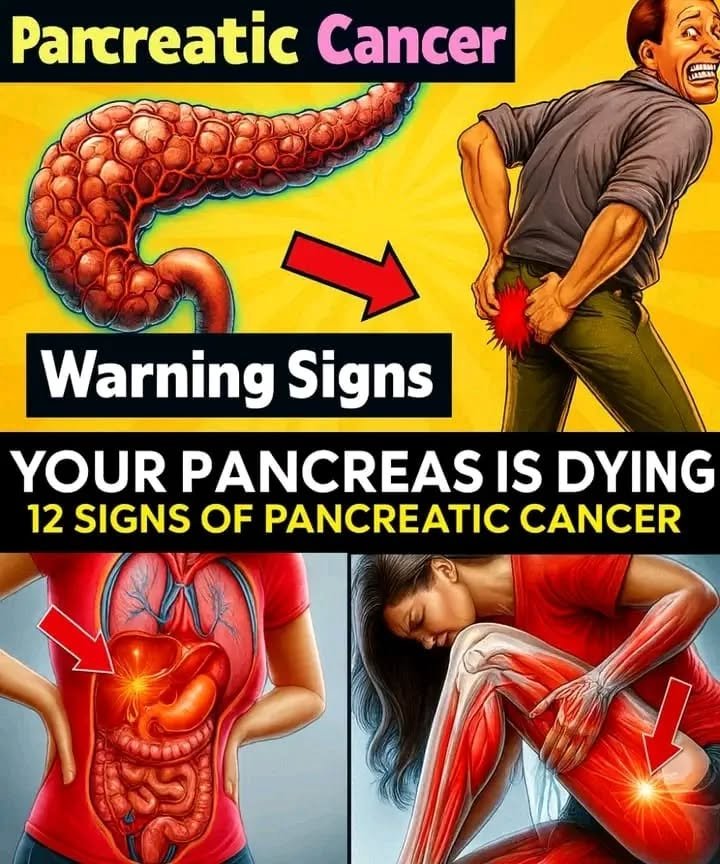
12 Signs of Pancreatic Cancer You Should Never Ignore
Because early attention can change outcomes
Introduction: Why Pancreatic Cancer Is Often Missed
Pancreatic cancer is one of the most challenging cancers to detect early—not because it has no symptoms, but because its early warning signs are subtle, vague, and easy to dismiss. Many symptoms overlap with common digestive issues, stress, or aging, which leads to delayed diagnosis.
This article is educational and awareness-focused, not diagnostic. Having one or more of these signs does not mean you have pancreatic cancer. However, persistent or worsening symptoms should never be ignored.
Why Early Symptoms Are Easy to Overlook
Pancreatic cancer symptoms often:
-
Appear gradually
-
Come and go at first
-
Are painless in early stages
-
Mimic common conditions like indigestion or back pain
The key red flag is persistence and progression, not a single isolated symptom.
1. Persistent Upper Abdominal Pain
What It Feels Like
-
Dull or aching pain in the upper abdomen
-
Pain that may radiate to the back
-
Worse after eating or when lying down
This pain is often mild at first and easily mistaken for gastritis or muscle strain.
2. Unexplained Back Pain
Back pain related to the pancreas:
-
Is deep and persistent
-
Isn’t clearly linked to posture or movement
-
Often occurs alongside digestive symptoms
Because back pain is so common, this sign is frequently ignored.
3. Unintentional Weight Loss
Be Concerned If You Notice:
-
Losing weight without trying
-
Reduced appetite
-
Feeling full quickly
This may occur due to changes in digestion, metabolism, or appetite regulation.
4. Jaundice (Yellowing of Skin or Eyes)
One of the more noticeable signs, especially when the tumor affects bile flow.
May Be Accompanied By:
-
Dark urine
-
Pale or clay-colored stools
-
Itchy skin
Jaundice always requires prompt medical evaluation, regardless of cause.
5. Changes in Stool Appearance
Pancreatic enzymes are essential for digestion. When they’re reduced:
-
Stools may become pale, greasy, or foul-smelling
-
They may float and be hard to flush
-
Bowel habits may change without dietary explanation
These changes are often misattributed to diet.
6. Loss of Appetite or Early Satiety
Feeling full after just a few bites or having little interest in food can be an early clue, especially when paired with weight loss.
7. Persistent Nausea or Indigestion
Unlike occasional indigestion, this:
-
Doesn’t improve with usual treatments
-
Persists for weeks
-
May worsen after meals
It’s often mistaken for acid reflux or stress-related stomach issues.
8. New-Onset Diabetes or Worsening Blood Sugar Control
The pancreas plays a central role in insulin production.
Be alert if:
-
Diabetes appears suddenly after age 50
-
Blood sugar becomes harder to control without lifestyle changes
This doesn’t mean diabetes causes cancer—but the two can be linked.
9. Fatigue That Doesn’t Improve With Rest
Cancer-related fatigue is:
-
Persistent
-
Deep and draining
-
Not relieved by sleep
Many people push through it, assuming it’s due to work or aging.
10. Itchy Skin Without a Rash
This can occur due to bile buildup in the bloodstream and is sometimes an early clue before visible jaundice appears.
11. Blood Clots With No Clear Cause
Unexplained blood clots—especially in the legs—can occasionally be an early sign of underlying cancer.
Seek urgent care if you notice:
-
Sudden leg swelling
-
Pain or redness
-
Shortness of breath
12. A General Feeling That Something Isn’t Right
Many people report a persistent sense of unease or decline before diagnosis—vague but ongoing symptoms that don’t fit a clear explanation.
Never underestimate your intuition about your own body.
Who Is at Higher Risk?
Risk may be higher if you:
-
Are over age 50
-
Smoke or have smoked
-
Have chronic pancreatitis
-
Have diabetes
-
Have a family history of pancreatic cancer
-
Are obese or physically inactive
That said, many people diagnosed have no obvious risk factors.
When Should You See a Doctor?
You should seek medical advice if:
-
Symptoms last longer than 2–3 weeks
-
Multiple symptoms appear together
-
Symptoms worsen over time
-
You experience jaundice, unexplained weight loss, or persistent pain
Early evaluation can make a meaningful difference.
Common Myths That Delay Diagnosis
❌ “If it were serious, the pain would be severe”
❌ “It’s just indigestion”
❌ “I’m too young to worry”
❌ “I don’t want to overreact”
✔ Truth: Early pancreatic cancer is often subtle and painless
What to Tell Your Doctor
Be specific:
-
When symptoms started
-
How often they occur
-
What feels different from your normal
Clear communication improves evaluation and follow-up.
Frequently Asked Questions
1. Are early symptoms always obvious?
No. They’re often mild and nonspecific.
2. Is back pain alone a sign?
Usually no—but persistent back pain with other symptoms should be checked.
3. Does jaundice always mean cancer?
No, but it always requires urgent medical evaluation.
4. Can pancreatic cancer be found early?
It’s difficult, but awareness of symptoms improves chances.
5. Is indigestion a common first sign?
Yes—but only when persistent and unexplained.
6. Can blood tests detect it early?
Sometimes, but imaging and evaluation are often needed.
7. Should I panic if I have one symptom?
No. Stay calm, informed, and proactive.
8. Does lifestyle affect risk?
Yes—smoking, obesity, and inactivity increase risk.
Final Thoughts: Awareness Without Fear
Pancreatic cancer doesn’t usually announce itself loudly.
It whispers—through subtle, persistent changes.
Paying attention doesn’t mean assuming the worst.
It means giving yourself the chance for early care.
If something feels off and doesn’t improve, you deserve answers.
A Gentle Call to Action
-
Listen to persistent symptoms
-
Encourage loved ones to do the same
-
Share this article to raise awareness
-
Choose attention over avoidance
Early awareness saves lives. Silence never does.