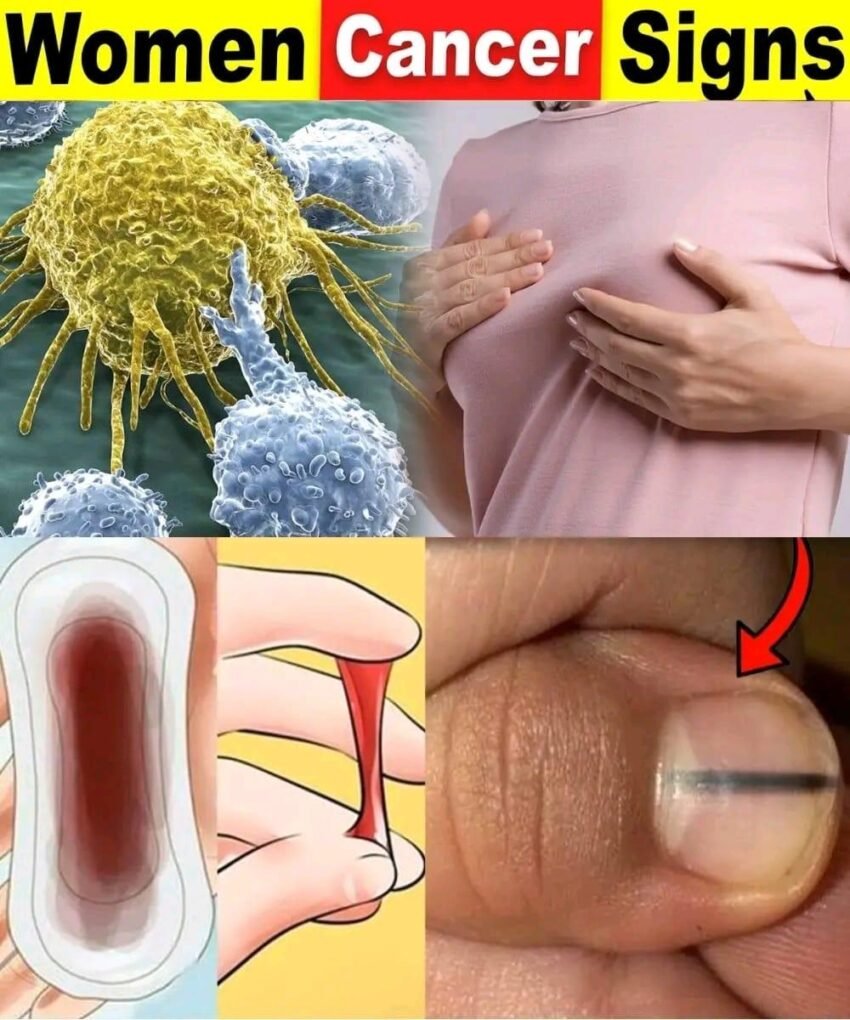
14 Visible Signs of Cancer Most Women Ignore
Cancer symptoms don’t always begin with severe pain or dramatic changes. In many cases, early warning signs are subtle, visible, and easy to dismiss as stress, aging, or minor health issues. Unfortunately, ignoring these signs can delay diagnosis—when early treatment is often most effective.
This article highlights 14 visible signs of cancer that women commonly overlook, along with guidance on when to seek medical advice.
Disclaimer: This content is for educational purposes only. These signs do not automatically mean cancer, but persistent or unexplained changes should always be evaluated by a healthcare professional.
Why Early Signs Are Often Missed
Many women:
-
Put others’ needs first
-
Normalize discomfort
-
Attribute symptoms to hormones, menopause, or stress
-
Avoid medical visits due to busy schedules or fear
Awareness—not panic—is the goal.
1. Unexplained Weight Loss
Losing weight without trying, especially 10 pounds or more, can be an early sign of several cancers.
🚩 Pay attention if weight loss happens suddenly or without lifestyle changes.
2. Persistent Fatigue
Cancer-related fatigue is deep and ongoing, not relieved by rest or sleep.
If exhaustion interferes with daily life for weeks, it deserves attention.
3. Changes in Breast Appearance
Beyond lumps, watch for:
-
Skin dimpling
-
Redness or scaling
-
Nipple inversion
-
Unusual discharge
Any visible breast change should be checked promptly.
4. Unusual Skin Changes
Skin-related warning signs may include:
-
New moles or growths
-
Changes in size, color, or shape of existing moles
-
Non-healing sores
These may be linked to skin cancer or other internal conditions.
5. Persistent Bloating
Ongoing bloating—especially when paired with pelvic discomfort—can be an early sign of ovarian cancer.
⚠️ Bloating that lasts more than 2–3 weeks should not be ignored.
6. Abnormal Vaginal Bleeding
Bleeding that occurs:
-
Between periods
-
After menopause
-
After intercourse
may signal cervical, uterine, or endometrial cancer.
7. Chronic Cough or Hoarseness
A cough or hoarse voice lasting more than three weeks—especially without a cold—may require evaluation.
This can sometimes be linked to lung or throat cancers.
8. Changes in Bowel Habits
Watch for:
-
Persistent constipation or diarrhea
-
Narrow stools
-
Blood in stool
These can be warning signs of colorectal cancer.
9. Difficulty Swallowing
Trouble swallowing food or liquids that worsens over time may be associated with esophageal or throat cancer.
10. Persistent Pain with No Clear Cause
Ongoing pain in the:
-
Back
-
Pelvis
-
Abdomen
without injury or explanation should be investigated.
11. Swelling or Lumps in Unusual Areas
Lumps in the:
-
Neck
-
Armpit
-
Groin
that don’t go away may indicate lymph node involvement.
12. Nail Changes
Certain nail changes can be warning signs, including:
-
Dark streaks
-
Clubbing (rounded fingertips)
-
Pale or white nails
These changes are often overlooked but visible.
13. Mouth Sores or White Patches
Sores in the mouth that don’t heal within two weeks, or persistent white/red patches, may be linked to oral cancer.
14. Persistent Indigestion or Heartburn
Ongoing indigestion that doesn’t respond to treatment may be a sign of gastrointestinal cancers.
When Should You See a Doctor?
You should seek medical advice if a symptom:
-
Lasts more than 2–3 weeks
-
Gets worse over time
-
Is unexplained
-
Interferes with daily life
Early evaluation does not mean bad news—it means taking control of your health.
What This Article Is NOT Saying
✔ These signs do not mean you have cancer
✔ Many symptoms have harmless explanations
❌ Ignoring persistent symptoms is risky
Early detection saves lives.
Final Thoughts
Your body often whispers before it screams. Visible changes—no matter how small—are worth paying attention to.
Listening to your body, trusting your instincts, and seeking timely medical care can make all the difference.
Frequently Asked Questions (FAQs)
Are these signs always cancer?
No. Most have non-cancer causes, but persistence matters.
Should I panic if I notice one sign?
No. Observe, document, and consult a healthcare provider if it continues.
Does early detection really help?
Yes. Many cancers are highly treatable when caught early.