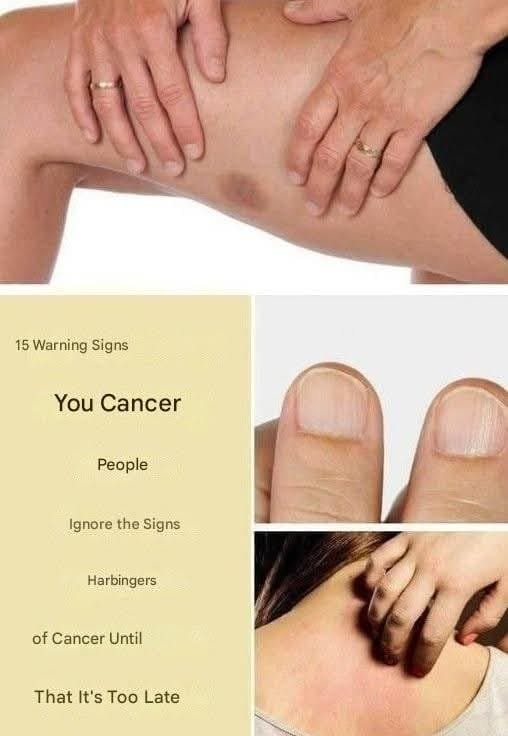
15 Cancer Warning Signs People Don’t Know Until It’s Too Late
Many cancer symptoms are subtle and overlooked. Learn 15 lesser-known warning signs of cancer and when to seek medical attention early.
Introduction: The Danger of Silent Symptoms
Cancer rarely begins with dramatic pain or obvious illness. In many cases, it develops quietly, sending subtle signals that are easy to ignore, misinterpret, or normalize. By the time clear symptoms appear, the disease may already be advanced.
This is why cancer is often described as a “silent” condition in its early stages. People commonly look back after diagnosis and realize they had warning signs—but didn’t recognize them at the time.
This article highlights 15 cancer warning signs many people don’t know or take seriously until it’s too late. Awareness is not about fear—it’s about giving yourself the chance to act early.
Why Cancer Warning Signs Are Often Missed
Many early symptoms are overlooked because they:
-
Mimic common health problems
-
Develop slowly over time
-
Don’t cause pain initially
-
Seem unrelated to serious illness
Understanding these subtle signs can help you recognize when something deserves medical attention.
15 Cancer Warning Signs You Should Never Ignore
1. Persistent, Unexplained Fatigue
This is not ordinary tiredness.
What Makes It Different
-
Doesn’t improve with rest
-
Interferes with daily activities
-
Feels overwhelming or draining
Cancer-related fatigue is often caused by metabolic changes and inflammation in the body.
2. Unintentional Weight Loss
Losing weight without changes in diet or exercise is a major red flag.
Why It Happens
-
Increased energy use by cancer cells
-
Reduced appetite
-
Digestive interference
Losing more than 5–10% of body weight unintentionally should be evaluated.
3. Ongoing Pain With No Clear Cause
Pain that persists or worsens without injury deserves attention.
Common Areas
-
Back
-
Abdomen
-
Bones
-
Head
Cancer-related pain often starts mild and increases gradually.
4. Changes in Bowel Habits
Subtle changes can signal digestive or colorectal cancers.
Watch For
-
Persistent constipation or diarrhea
-
Narrow or ribbon-like stools
-
Blood in stool
-
Ongoing abdominal discomfort
If these changes last more than a few weeks, they should be checked.
5. Changes in Bladder Habits
Bladder-related symptoms are often ignored.
Possible Signs
-
Frequent urination
-
Pain or burning
-
Blood in urine
-
Difficulty urinating
Persistent urinary changes require evaluation.
6. A Lump or Thickening Anywhere on the Body
Not all lumps are painful or obvious.
Red Flags
-
Hard or firm texture
-
Painless growth
-
Gradual increase in size
-
Doesn’t go away
Any new or unexplained lump should be examined.
7. Difficulty Swallowing or Persistent Indigestion
Ongoing swallowing issues are not normal.
Possible Causes
-
Esophageal irritation
-
Tumor growth
-
Digestive obstruction
If symptoms persist or worsen, medical advice is necessary.
8. Unusual Bleeding or Discharge
Unexpected bleeding should never be ignored.
Examples
-
Blood in stool or urine
-
Vaginal bleeding between periods
-
Coughing up blood
-
Unusual nipple discharge
Even small amounts can be significant.
9. Chronic Cough or Hoarseness
A cough that doesn’t go away can indicate more than infection.
Be Concerned If
-
Lasts longer than 3 weeks
-
Produces blood
-
Is accompanied by chest pain or weight loss
Persistent voice changes also deserve attention.
10. Skin Changes That Don’t Heal
The skin often reflects internal health.
Warning Signs
-
Non-healing sores
-
Changes in mole size, color, or shape
-
Persistent redness or scaling
Skin changes should be evaluated early.
11. Feeling Full Quickly or Loss of Appetite
Early satiety can signal internal pressure or digestive changes.
Why It Matters
-
Leads to weight loss
-
Often dismissed as stress
-
Can indicate stomach or ovarian cancers
12. Night Sweats Without Infection
Unexplained night sweats can be an early sign.
When to Be Concerned
-
Occur frequently
-
Drench clothing or bedding
-
Not related to fever or menopause
13. New-Onset Depression or Personality Changes
Emotional changes can sometimes appear before physical symptoms.
What’s Notable
-
Sudden depression without cause
-
Loss of interest in normal activities
-
Persistent low mood
These changes may have biological origins.
14. Recurrent Infections or Slow Healing
Cancer can weaken immune function.
Signs
-
Frequent infections
-
Wounds that heal slowly
-
Increased illness frequency
15. A Persistent Feeling That Something Isn’t Right
Many people report a vague sense of declining health before diagnosis.
Trust Your Instincts
-
Symptoms don’t feel normal for you
-
Overall well-being is declining
-
Medical reassurance doesn’t match how you feel
Your intuition matters.
Summary Table: Overlooked Cancer Warning Signs
| Warning Sign | Why It’s Missed |
|---|---|
| Fatigue | Blamed on stress |
| Weight loss | Seen as positive |
| Pain | Assumed to be aging |
| Digestive changes | Diet-related excuses |
| Urinary changes | Normalized |
| Lumps | Painless |
| Swallowing issues | Acid reflux |
| Bleeding | Temporary assumption |
| Cough | Infection |
| Skin changes | Cosmetic |
| Early fullness | Eating habits |
| Night sweats | Temperature |
| Mood changes | Mental health only |
| Infections | Weak immunity |
| Gut feeling | Hard to explain |
When Should You See a Doctor?
Seek medical advice if:
-
Symptoms last longer than 2–3 weeks
-
Multiple symptoms appear together
-
Symptoms worsen over time
-
There is unexplained weight loss or bleeding
Early evaluation can be life-saving.
Common Reasons People Delay Care
-
Fear of diagnosis
-
Busy schedules
-
Assuming symptoms are minor
-
Hoping issues will resolve on their own
Delaying care can reduce treatment options.
Benefits of Early Detection
Advantages
-
Higher survival rates
-
More treatment choices
-
Less aggressive therapy
-
Better quality of life
Early detection doesn’t guarantee a cure—but it dramatically improves outcomes.
Frequently Asked Questions
1. Do early cancer symptoms always hurt?
No, many are painless.
2. Can young people experience these signs?
Yes, cancer can affect any age group.
3. Should I worry about every symptom?
Not every symptom—but persistent or unexplained ones should be checked.
4. How long is “too long” to wait?
More than two to three weeks without improvement.
5. Can stress mimic cancer symptoms?
Yes, but persistence and progression matter.
6. Are mild symptoms still serious?
They can be, especially if ongoing.
7. Does early detection always save lives?
It significantly improves survival chances.
8. Can routine checkups help catch cancer early?
Yes, especially when symptoms are discussed openly.
Trusted Health Information Sources
-
World Health Organization
-
National Cancer Institute
-
American Cancer Society
-
Mayo Clinic
-
Wikipedia (medical reference pages)
Conclusion: Awareness Is Not Fear—It’s Protection
Cancer often whispers before it screams. The warning signs listed above are not meant to frighten you, but to empower you. Recognizing subtle changes and acting early can make a life-changing difference.
If something doesn’t feel right and doesn’t go away, don’t ignore it. Listening to your body—and responding early—can save lives, including your own.
Call to Action
If this article increased your awareness, share it with friends or family. Start conversations, ask questions, and encourage proactive health choices. Knowledge grows stronger when shared—and it may help someone seek help in time.