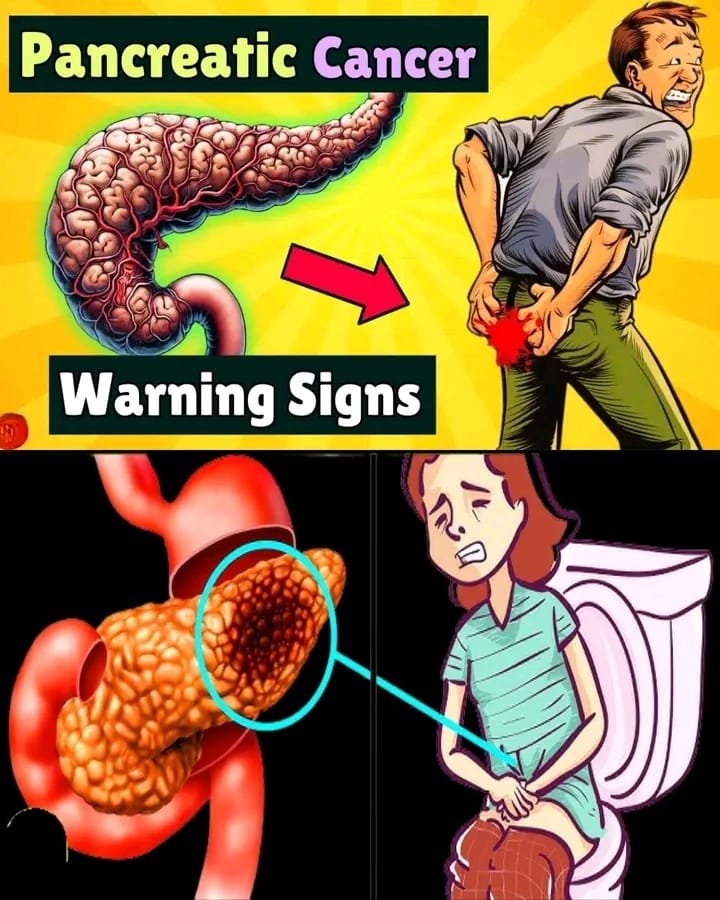
15 Silent Signs of Pancreatic Cancer You Need to Know
Early detection can save lives—recognize subtle warning signs before it’s too late
Pancreatic cancer is often called a “silent killer” because it develops quietly, with symptoms that are easy to dismiss. By the time noticeable signs appear, the disease may have progressed.
Knowing the early, subtle symptoms can help you seek medical attention promptly, improving outcomes significantly.
1. Unexplained Upper Abdominal Pain
-
Dull or persistent pain in the upper abdomen, sometimes radiating to the back
-
Pain may worsen after eating or lying down
-
Often mistaken for indigestion or gas
2. Unexplained Weight Loss
-
Losing 10 pounds or more without dieting or exercise
-
Occurs even if appetite remains normal
-
Often one of the first noticeable signs
3. Loss of Appetite
-
Feeling full quickly or losing interest in food
-
Changes in taste perception
-
Can contribute to unintended weight loss
4. Jaundice (Yellowing of Skin or Eyes)
-
Yellowish tint in skin or eyes
-
Dark urine or pale stools
-
Caused by a blockage in the bile duct
5. Nausea and Vomiting
-
Digestive discomfort that doesn’t go away
-
Feeling sick after meals
-
Can be caused by the tumor pressing on the stomach or intestines
6. Fatigue or Weakness
-
Persistent tiredness that isn’t relieved by sleep
-
May occur due to metabolic changes or low blood sugar
-
Can affect daily activities and concentration
7. Changes in Stool
-
Oily, greasy, or floating stools (steatorrhea)
-
Pale-colored stool due to bile duct obstruction
-
Can indicate digestive enzyme disruption
8. New-Onset Diabetes
-
Sudden high blood sugar in adults, especially without risk factors
-
Frequent urination, excessive thirst, and unexplained weight loss
-
May be an early sign of pancreatic dysfunction
9. Back Pain
-
Persistent pain between the shoulder blades or mid-back
-
Can occur if the tumor presses on nerves or organs
-
Often mistaken for muscle strain
10. Itchy Skin
-
Persistent itchiness without rash
-
Caused by bile salt buildup due to blockage of the bile duct
11. Blood Clots
-
Unexplained blood clots in veins, especially in legs (deep vein thrombosis)
-
Sometimes the first sign of pancreatic cancer in some patients
12. Indigestion or Heartburn
-
Chronic discomfort after meals
-
Nausea, bloating, or burping
-
Often misattributed to gastritis or acid reflux
13. Dark Urine
-
Brownish or tea-colored urine
-
Caused by bilirubin buildup due to bile duct obstruction
-
Often occurs alongside jaundice
14. Depression or Mood Changes
-
Unexplained sadness, irritability, or mood swings
-
Psychological symptoms can precede physical symptoms
-
Some studies suggest a link between pancreatic cancer and depression
15. Abdominal Swelling or Bloating
-
Feeling of fullness or swelling in the stomach
-
May indicate fluid buildup (ascites)
-
Often appears in later stages but can develop subtly
Why Pancreatic Cancer Is Hard to Detect
-
Early symptoms are vague and nonspecific
-
Often mistaken for digestive issues, stress, or aging
-
Tumors can grow silently deep within the pancreas
When to See a Doctor
Seek medical attention if you notice:
-
Persistent upper abdominal or back pain
-
Unexplained weight loss or appetite changes
-
Yellowing of the skin or eyes
-
New-onset diabetes in adulthood
-
Ongoing digestive changes
Early detection can make a life-saving difference. Imaging tests, blood work, and specialist consultation are key for diagnosis.
Key Takeaways
-
Pancreatic cancer is difficult to spot early, but awareness of subtle signs is crucial.
-
Symptoms often overlap with other conditions, so persistent or unusual changes warrant evaluation.
-
Maintaining regular check-ups, especially if you have risk factors (family history, smoking, obesity, diabetes), can improve early detection.
💬 Tip: Keep a symptom diary. Track changes in digestion, appetite, energy, and skin or eye color to help your doctor detect patterns early.