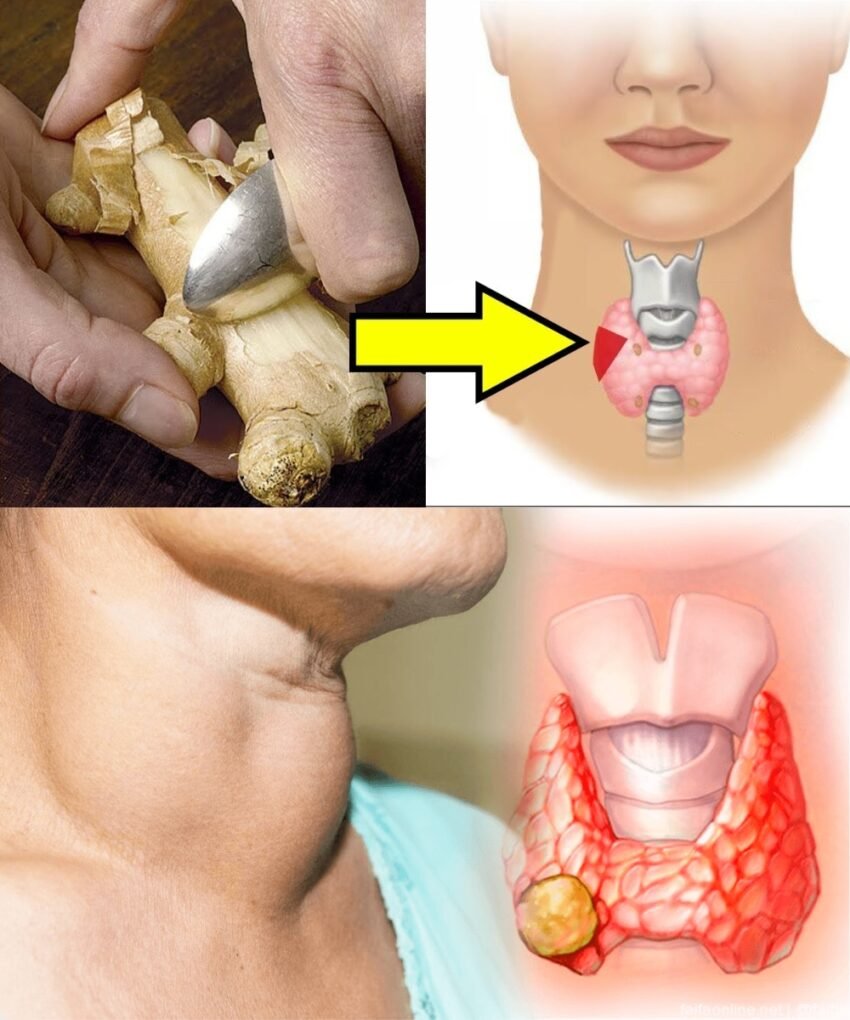
19 Foods to Avoid If You Have Hypothyroidism or Thyroid Problems
Hypothyroidism, a condition where the thyroid gland does not produce enough hormones, affects millions worldwide. Proper management includes medication, lifestyle changes, and dietary considerations. Certain foods can interfere with thyroid function, hormone absorption, or metabolism. Understanding what to avoid can help maintain thyroid health and improve overall well-being.
Why Diet Matters for Hypothyroidism
The thyroid controls metabolism, energy levels, and hormone regulation. Eating foods that interfere with thyroid function or hormone absorption can worsen symptoms, including:
-
Fatigue and low energy
-
Weight gain
-
Dry skin and hair loss
-
Cold intolerance
-
Constipation
19 Foods to Avoid or Limit
1. Soy and Soy-Based Products
-
Why: Soy contains isoflavones that may interfere with thyroid hormone production, especially in people with iodine deficiency.
-
Examples: Tofu, soy milk, soy protein bars, edamame.
-
Tip: Consume in moderation and avoid consuming around the time of taking thyroid medication.
2. Cruciferous Vegetables (Raw)
-
Why: Contain goitrogens, compounds that may interfere with iodine uptake.
-
Examples: Broccoli, cauliflower, cabbage, Brussels sprouts, kale.
-
Tip: Cooking these vegetables reduces goitrogenic effects.
3. Gluten
-
Why: Gluten may trigger autoimmune responses in people with Hashimoto’s thyroiditis.
-
Examples: Wheat, barley, rye, and processed baked goods.
-
Tip: Consider gluten-free alternatives if sensitive or diagnosed with autoimmune thyroid disease.
4. Processed Foods
-
Why: Often high in sodium, sugar, and preservatives, which can negatively affect thyroid and cardiovascular health.
-
Examples: Fast food, packaged snacks, frozen meals.
5. Sugary Foods and Beverages
-
Why: Can worsen weight gain and insulin resistance, common in hypothyroidism.
-
Examples: Soda, candies, pastries, sweetened drinks.
6. Fatty and Fried Foods
-
Why: High-fat diets can interfere with thyroid hormone absorption.
-
Examples: French fries, fried chicken, fatty cuts of meat.
7. Certain Fish High in Mercury
-
Why: Mercury may affect thyroid hormone synthesis.
-
Examples: Swordfish, mackerel, tilefish, shark.
-
Tip: Opt for low-mercury fish like salmon or sardines.
8. Excessive Coffee
-
Why: Can interfere with thyroid medication absorption if consumed too close to dose time.
-
Tip: Wait at least 30–60 minutes after taking medication before drinking coffee.
9. Alcohol
-
Why: Can disrupt thyroid hormone levels and impair liver metabolism of hormones.
-
Tip: Limit or avoid alcohol, especially with autoimmune thyroid disease.
10. Artificial Sweeteners
-
Why: May contribute to insulin resistance and weight gain, exacerbating hypothyroid symptoms.
-
Examples: Aspartame, saccharin, sucralose.
11. Spinach (Raw)
-
Why: Contains oxalates that may interfere with iodine absorption.
-
Tip: Cooking reduces impact; moderate intake is safe.
12. Peanuts and Peanut Butter
-
Why: May contain goitrogens affecting thyroid hormone synthesis.
13. Millet
-
Why: Contains substances that may reduce thyroid hormone production in animal studies.
14. Certain Berries (Large Quantities)
-
Why: Some, like strawberries, may contain goitrogens if consumed excessively.
15. Corn
-
Why: High amounts of processed corn products may affect thyroid function indirectly due to metabolic effects.
16. Canned Foods
-
Why: Often high in sodium, which can worsen thyroid-related cardiovascular risks.
17. Radishes
-
Why: Contain goitrogens, particularly in raw form.
18. Peaches and Pears (Unripe or Excessive)
-
Why: May slightly interfere with iodine metabolism if eaten in very large quantities.
19. Certain Seeds (Large Quantities)
-
Why: Flaxseeds, mustard seeds, and hemp seeds in very high amounts may contain mild goitrogenic effects.
Tips for Managing Diet With Hypothyroidism
-
Time Medication Properly
-
Take thyroid hormone on an empty stomach, 30–60 minutes before food or coffee.
-
-
Focus on Iodine-Rich Foods (Moderation)
-
Iodine is essential for thyroid hormone production.
-
Sources: Seaweed, iodized salt (in moderation), fish.
-
-
Ensure Adequate Selenium and Zinc
-
Selenium: Brazil nuts, tuna, eggs
-
Zinc: Pumpkin seeds, chicken, legumes
-
-
Cook Goitrogenic Vegetables
-
Boiling or steaming reduces their effect on thyroid function.
-
-
Limit Highly Processed Foods
-
Focus on whole foods, lean protein, and fresh produce.
-
-
Stay Hydrated
-
Proper hydration supports metabolism and digestion.
-
Frequently Asked Questions
Q: Can I never eat these foods?
A: Most can be eaten in moderation, especially if cooked or balanced with other nutrient-rich foods.
Q: Are all cruciferous vegetables bad?
A: No. Cooking neutralizes most goitrogens. Raw, excessive intake may affect thyroid function.
Q: Can diet alone manage hypothyroidism?
A: No. Diet supports thyroid health, but medication is usually necessary for hormone replacement.
Q: Are there any foods that help the thyroid?
A: Yes. Foods rich in iodine, selenium, zinc, and vitamin D support thyroid function.
Conclusion
Managing hypothyroidism is a combination of medication, lifestyle, and diet. Avoiding or limiting these 19 foods can help optimize thyroid function, improve energy levels, and prevent complications. Moderation, cooking, and timing are key—most of these foods are safe in controlled amounts.
With awareness and proper dietary adjustments, those with thyroid problems can support their health, metabolism, and quality of life effectively.
✅ Call to Action
-
Review your current diet for thyroid-unfriendly foods.
-
Work with a nutritionist or doctor to tailor a thyroid-supportive meal plan.
-
Share this guide to help friends and family maintain thyroid health through smart dietary choices.