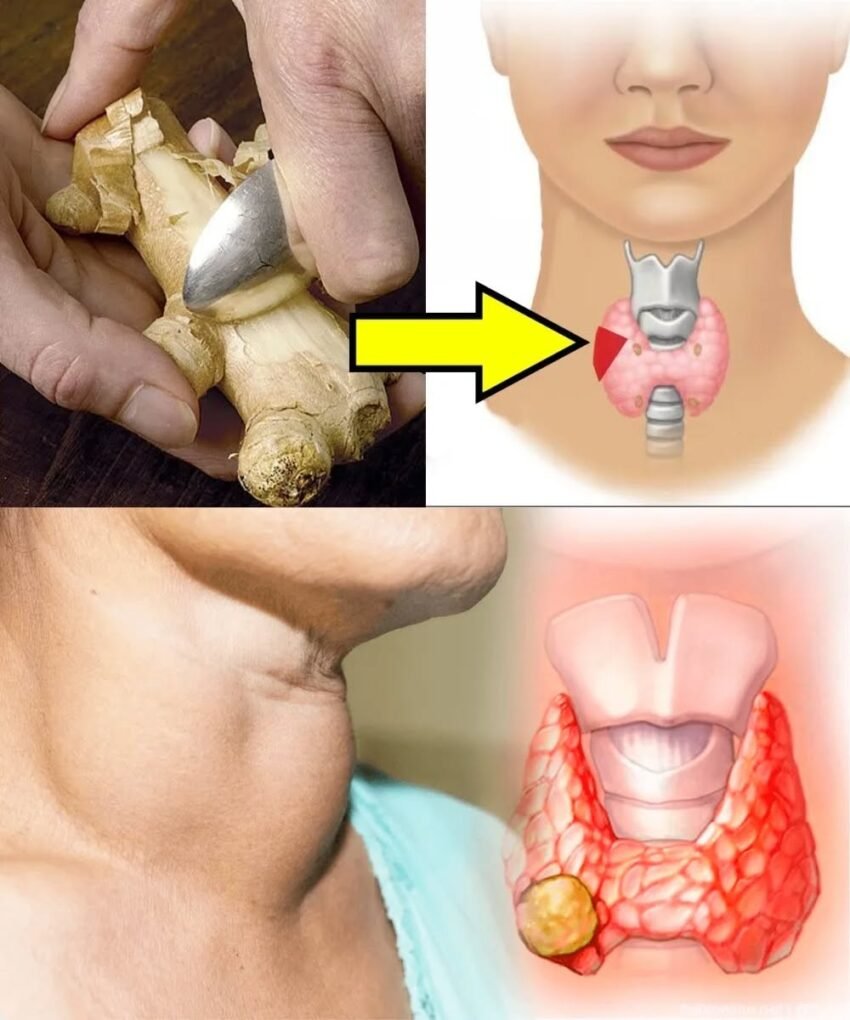
19 Foods to Avoid If You Have Hypothyroidism or Thyroid Problems
Managing hypothyroidism or other thyroid disorders goes beyond medication alone. Diet plays a supportive role in how well your thyroid functions and how effectively your body uses thyroid hormones.
While no single food causes or cures thyroid disease, certain foods may interfere with hormone production, iodine absorption, or medication effectiveness—especially when consumed frequently or in large amounts.
Here are 19 foods you may need to limit or avoid if you have hypothyroidism or thyroid-related conditions.
Why Diet Matters for Thyroid Health
The thyroid gland regulates metabolism, energy levels, body temperature, and more. In hypothyroidism, the gland doesn’t produce enough hormones, leading to symptoms like fatigue, weight gain, and brain fog.
Some foods can:
-
Disrupt iodine uptake
-
Interfere with thyroid hormone production
-
Reduce absorption of thyroid medication
Awareness—not fear—is the key.
19 Foods to Avoid or Limit With Hypothyroidism
1. Soy and Soy-Based Foods
Soy may interfere with thyroid hormone absorption, especially if consumed close to medication time.
Examples:
-
Soy milk
-
Tofu
-
Edamame
-
Soy protein isolates
2. Raw Cruciferous Vegetables
When eaten raw in large quantities, these may affect iodine absorption.
Examples:
-
Broccoli
-
Cauliflower
-
Cabbage
-
Kale
-
Brussels sprouts
👉 Cooking reduces this effect significantly.
3. Gluten (for Sensitive Individuals)
Some people with thyroid disorders—especially autoimmune thyroid disease—may be sensitive to gluten.
Examples:
-
Wheat
-
Barley
-
Rye
4. Highly Processed Foods
These are often high in sodium, unhealthy fats, and additives that can worsen inflammation.
Examples:
-
Packaged snacks
-
Fast food
-
Frozen meals
5. Refined Sugar
Excess sugar can worsen fatigue, weight gain, and blood sugar imbalance.
Examples:
-
Candy
-
Pastries
-
Sugary cereals
-
Sweetened beverages
6. Fried Foods
Fried foods contain trans fats and unhealthy oils that may promote inflammation.
Examples:
-
French fries
-
Fried chicken
-
Doughnuts
7. Excessive Caffeine
Too much caffeine may interfere with medication absorption and worsen anxiety or sleep issues.
Examples:
-
Coffee (in excess)
-
Energy drinks
8. Alcohol
Alcohol may suppress thyroid function and strain the liver, which helps activate thyroid hormones.
9. Millet
Millet contains compounds that may interfere with iodine uptake when consumed frequently.
10. Highly Processed Meats
These are high in preservatives and sodium.
Examples:
-
Sausages
-
Hot dogs
-
Deli meats
11. Artificial Sweeteners
These may affect gut health, which plays a role in hormone balance.
12. Excess Fiber (Too Close to Medication)
While fiber is healthy, large amounts taken near medication time can reduce absorption.
13. Certain Fruits in Excess
Examples:
-
Peaches
-
Strawberries
When eaten excessively, they may have mild goitrogenic effects.
14. Raw Spinach (in Large Amounts)
Cooking spinach reduces compounds that may interfere with thyroid function.
15. Fast Food
Fast food is typically high in sodium, unhealthy fats, and refined carbs.
16. Excess Iodine Supplements
Too much iodine can worsen thyroid problems rather than improve them.
17. Bakery Products
Often made with refined flour, sugar, and unhealthy fats.
18. Carbonated Soft Drinks
These provide empty calories and may interfere with bone and metabolic health.
19. Certain Supplements Taken Incorrectly
Iron and calcium supplements can interfere with thyroid medication if taken too close together.
Tips for Eating With Hypothyroidism
-
Take thyroid medication on an empty stomach
-
Wait 30–60 minutes before eating
-
Focus on whole, minimally processed foods
-
Cook vegetables rather than eating them raw
-
Stay consistent with meal timing
Frequently Asked Questions (FAQs)
Do I need to completely avoid these foods?
No. Most foods can be enjoyed in moderation, depending on individual tolerance.
Can diet cure hypothyroidism?
No. Diet supports thyroid health but does not replace medical treatment.
Should I follow a special thyroid diet?
There is no one-size-fits-all diet. Personalized guidance works best.
Final Thoughts
Living with hypothyroidism doesn’t mean eliminating everything you enjoy. It means making informed, balanced choices that support your body and treatment plan.
Understanding which foods may interfere with thyroid function helps you stay proactive, not restrictive.