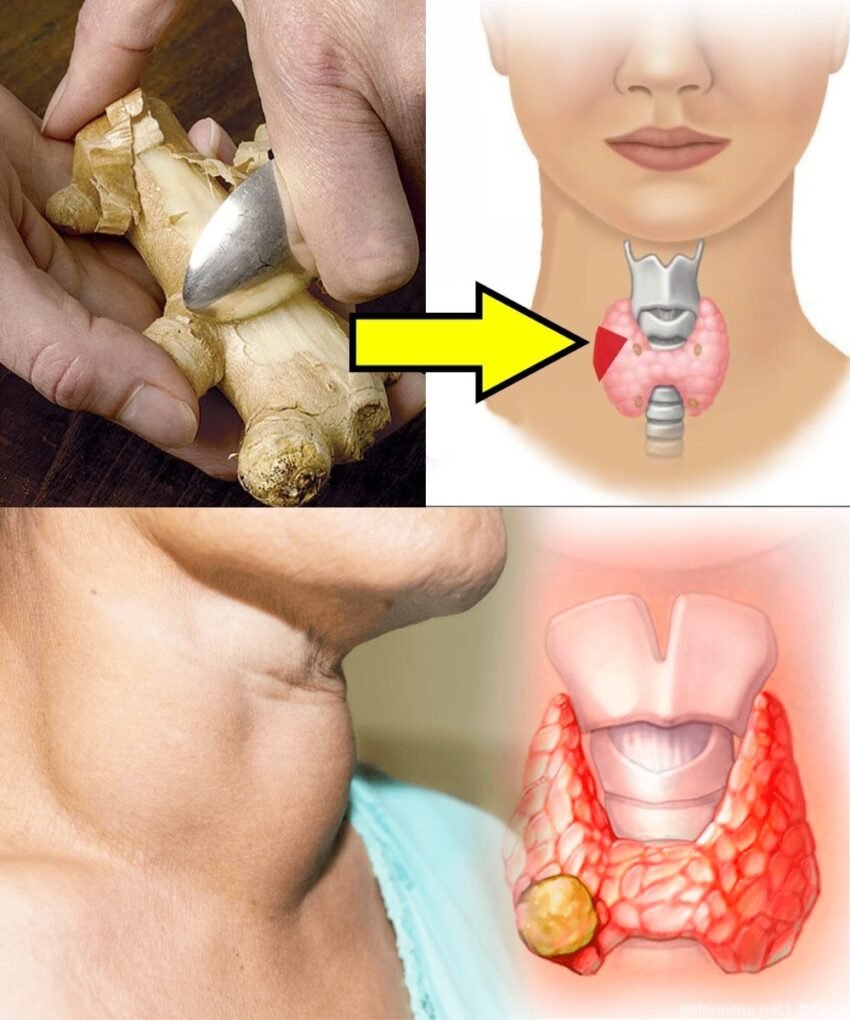
19 Foods to Avoid If You Have Hypothyroidism or Thyroid Problems
Manage your thyroid naturally by knowing which foods may interfere with your hormone health
Living with hypothyroidism? Discover 19 foods to avoid that can affect your thyroid function and learn tips to support healthy hormone levels naturally.
Introduction
Hypothyroidism, or an underactive thyroid, affects millions of Americans, especially women over 40. When the thyroid doesn’t produce enough hormones, your metabolism slows, energy drops, and you may experience weight gain, fatigue, and mood changes.
While medication is often necessary, diet plays a crucial role in managing thyroid health. Certain foods can interfere with hormone production or absorption, making it harder for your thyroid to function optimally.
In this guide, we’ll explore 19 foods to avoid if you have hypothyroidism or other thyroid issues—and why they matter.
1. Soy Products
-
Soy contains isoflavones, which may interfere with thyroid hormone production.
-
Includes tofu, soy milk, soy protein powders.
Tip:
-
Moderate intake if your thyroid function is stable, and avoid consuming soy at the same time as your medication.
2. Cruciferous Vegetables (Raw)
-
Raw broccoli, cauliflower, kale, and Brussels sprouts contain goitrogens, which can inhibit thyroid hormone synthesis.
-
Cooking reduces goitrogenic effects significantly.
3. Gluten-Containing Foods
-
Gluten can exacerbate autoimmune thyroid conditions like Hashimoto’s.
-
Includes wheat, barley, rye, and many processed foods.
Tip:
-
Consider gluten-free options if you have thyroid autoimmune issues.
4. Highly Processed Foods
-
Packaged snacks, fast food, and sugary treats can contribute to inflammation and weight gain, aggravating hypothyroidism symptoms.
5. Sugary Foods and Drinks
-
Excess sugar may worsen insulin resistance and weight gain, common in thyroid disorders.
-
Includes sodas, candies, baked goods.
6. Fatty Foods
-
High-fat foods like fried items, margarine, and fatty cuts of meat may impair thyroid hormone absorption.
7. Certain Fruits (Excessive Amounts)
-
Strawberries, peaches, and pears contain small amounts of goitrogens.
-
Usually safe in moderation; avoid excessive raw intake if thyroid function is compromised.
8. Coffee (Around Medication Time)
-
Coffee may interfere with absorption of synthetic thyroid hormones.
-
Wait at least 30–60 minutes after taking medication before drinking coffee.
9. Alcohol
-
Can disrupt thyroid hormone production and metabolism, contributing to fatigue and weight issues.
10. Artificial Sweeteners
-
May impact gut health, which is linked to thyroid function.
-
Includes aspartame, sucralose, saccharin.
11. Corn and Corn-Based Products
-
Can interfere with iodine absorption, a key nutrient for thyroid hormone production.
12. Peanuts and Peanut Butter
-
Contain goitrogens that may affect thyroid hormone production.
13. Spinach (Raw)
-
High in oxalates and goitrogens; cooking reduces interference.
14. Millet
-
Contains goitrogens and can affect thyroid hormone synthesis if consumed frequently.
15. Certain Seeds (Flax, Mustard, and Pine)**
-
Contain goitrogenic compounds; occasional consumption is usually safe, but avoid excessive intake raw.
16. Processed Meats
-
Bacon, hot dogs, and deli meats are often high in sodium, which can exacerbate thyroid issues.
17. Caffeine Excess
-
Overconsumption may increase stress hormones, potentially affecting thyroid regulation.
18. Artificially Flavored Foods
-
Chemical additives may contribute to inflammation, indirectly affecting thyroid function.
19. Low-Iodine Diet (Extreme Restriction)
-
Iodine is essential for thyroid hormone production. Avoid excessive restriction unless prescribed by a doctor.
Tips for Supporting Thyroid Health
-
Focus on whole, unprocessed foods: vegetables (cooked), lean proteins, fruits, nuts, and seeds.
-
Include iodine-rich foods: seaweed, fish, and dairy (if tolerated).
-
Pair iron and calcium intake carefully: These can interfere with thyroid medication absorption.
-
Hydrate and manage stress: Both support metabolic and thyroid health.
-
Consult your doctor before eliminating entire food groups.
Hypothyroidism doesn’t have to control your life, but diet plays a key role in management. Avoiding these 19 foods—or consuming them strategically—can improve medication effectiveness, energy levels, and overall wellness.
💬 Tip: Track your symptoms alongside your diet and medication to identify triggers and optimize your thyroid health naturally.