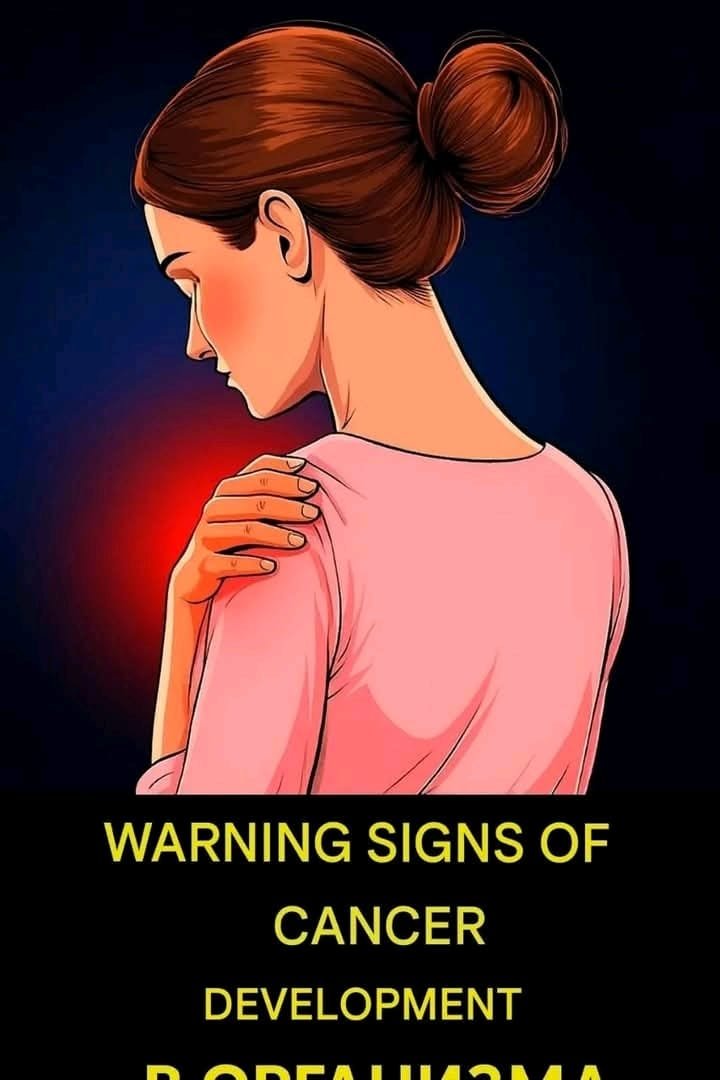
5 Early Signs of Cancer That Shouldn’t Be Ignored
Early detection saves lives. Learn the 5 subtle signs of cancer that everyone should watch for and act on promptly.
Introduction
Cancer is one of the leading causes of death worldwide, but early detection significantly improves survival rates. Unfortunately, the early stages of cancer often present subtle, easily overlooked symptoms.
Being aware of these warning signs and acting promptly can make a huge difference in treatment outcomes. Here are 5 early signs of cancer that should never be ignored.
1. Unexplained Weight Loss
-
What to watch for: Losing 10 pounds or more without dieting or exercise.
-
Why it matters: Sudden weight loss can signal cancers of the pancreas, stomach, esophagus, or lung.
-
Tip: Consult your doctor if you experience rapid or unexplained weight loss.
2. Persistent Fatigue
-
What to watch for: Feeling extremely tired even after rest, lasting for weeks.
-
Why it matters: Cancer cells can drain your body of energy or cause anemia.
-
Tip: If fatigue is unexplained and persistent, seek medical evaluation.
3. Unusual Lumps or Swelling
-
What to watch for: Lumps in the breast, testicles, neck, or underarm, or swelling in any part of the body.
-
Why it matters: Tumors can form in soft tissue or lymph nodes, sometimes before pain occurs.
-
Tip: Get any new lump checked immediately, even if it’s painless.
4. Changes in Skin or Moles
-
What to watch for:
-
New moles or growths
-
Changes in size, shape, or color of existing moles
-
Unexplained sores that don’t heal
-
-
Why it matters: Skin changes can indicate melanoma or other skin cancers.
-
Tip: Perform monthly skin checks and see a dermatologist for suspicious spots.
5. Persistent Pain or Discomfort
-
What to watch for: Pain that doesn’t go away, including headaches, abdominal pain, or back pain.
-
Why it matters: Continuous pain may indicate cancer affecting organs, bones, or nerves.
-
Tip: Investigate persistent or unusual pain, especially if it worsens over time.
Other Subtle Warning Signs
-
Difficulty swallowing
-
Persistent cough or hoarseness
-
Unexplained bleeding or bruising
-
Digestive issues like constipation or diarrhea lasting more than a few weeks
How to Protect Yourself
-
Regular Screenings: Mammograms, colonoscopies, Pap smears, and other screenings detect cancer early.
-
Know Your Family History: Genetics can increase your risk.
-
Healthy Lifestyle: Avoid smoking, eat a balanced diet, exercise, and limit alcohol.
-
Monitor Your Body: Be proactive about any unusual or persistent symptoms.
Frequently Asked Questions (FAQs)
Q1: Does every lump indicate cancer?
-
No, many lumps are benign. But any new lump should be checked promptly.
Q2: Can cancer be painless in the early stages?
-
Yes, many cancers don’t cause pain initially, making awareness and screenings crucial.
Q3: At what age should I start screening?
-
Screening depends on type of cancer, risk factors, and family history. Consult your doctor for a plan.
Final Thoughts
Early detection of cancer can save lives. By paying attention to unexplained weight loss, persistent fatigue, unusual lumps, skin changes, and persistent pain, you can act early and improve your chances of successful treatment.
Listen to your body, stay vigilant, and never ignore persistent or unusual symptoms. Early action truly makes the difference.