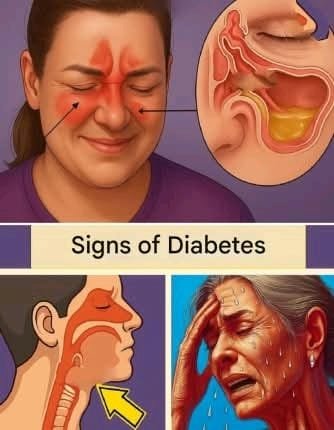
5 Warning Signs of Hidden Diabetes You Should Never Ignore
Diabetes is often called the “silent epidemic” because many people live with it without knowing it. Hidden or undiagnosed diabetes can quietly damage your body over time, increasing the risk of heart disease, kidney issues, nerve damage, and vision problems.
Recognizing early warning signs is crucial for timely intervention. Here are five subtle but important signs that may indicate hidden diabetes.
1. Frequent Urination and Excessive Thirst
One of the earliest signs of high blood sugar is polyuria (frequent urination). When glucose levels are elevated, your kidneys work harder to filter it out, which can lead to increased urine output.
Other related signs:
-
Feeling constantly thirsty (polydipsia)
-
Waking up at night to urinate
-
Dehydration symptoms like dry mouth or fatigue
If you notice this combination of thirst and frequent urination, it’s time to get your blood sugar checked.
2. Unexplained Fatigue
Even if you’re sleeping well, persistently high blood sugar can leave you feeling tired and sluggish.
Why it happens:
-
Cells cannot properly absorb glucose for energy
-
Body compensates by breaking down fat and muscle, leading to fatigue
Tip: Monitor your energy levels. Persistent tiredness with no clear cause may signal hidden diabetes.
3. Blurred Vision and Eye Issues
High blood sugar can damage blood vessels in the eyes, causing blurred or fluctuating vision.
What to notice:
-
Sudden changes in vision
-
Difficulty focusing
-
Seeing spots or floaters
Regular eye exams are important—vision changes can precede other diabetes symptoms.
4. Slow-Healing Cuts and Frequent Infections
Elevated glucose levels can impair the immune system, making wounds slower to heal and increasing the risk of infections.
Common signs include:
-
Cuts or bruises that take longer than usual to heal
-
Frequent urinary tract infections
-
Skin infections like fungal rashes
This subtle clue is often overlooked but is a serious red flag for hidden diabetes.
5. Unexplained Weight Changes or Numbness
While some people gain weight, others may lose weight unexpectedly despite normal eating habits. This happens when the body starts breaking down fat and muscle for energy.
Additional warning signs:
-
Tingling, numbness, or pain in hands and feet (neuropathy)
-
Swelling in extremities
-
Changes in appetite
Peripheral neuropathy can develop silently, so even mild tingling should be checked.
Who Is at Risk?
Certain factors make hidden diabetes more likely:
-
Age over 40
-
Family history of diabetes
-
Sedentary lifestyle or obesity
-
High blood pressure or abnormal cholesterol
-
History of gestational diabetes
If you have one or more risk factors, monitoring your blood sugar regularly is essential.
What You Should Do If You Notice These Signs
-
Schedule a blood test: Fasting glucose or HbA1c tests can detect hidden diabetes.
-
Adopt a healthy lifestyle: Balanced diet, regular exercise, and maintaining a healthy weight support glucose control.
-
Track symptoms: Note fatigue, thirst, and urinary changes.
-
Consult a doctor early: Early intervention prevents complications.
Frequently Asked Questions (FAQs)
1. Can hidden diabetes be reversed?
In some cases, lifestyle changes can significantly reduce blood sugar and even normalize readings, especially in prediabetes.
2. Are these symptoms always obvious?
No, many people experience mild or intermittent symptoms, making routine screenings important.
3. How often should I get checked?
If you have risk factors, get tested at least once a year.
4. Can diet alone manage hidden diabetes?
Diet is important but often works best in combination with exercise, stress management, and sometimes medication.
5. Does hidden diabetes affect children?
Yes, type 2 diabetes is increasingly seen in adolescents with obesity or family history.
6. Are there natural ways to help manage blood sugar?
Yes, foods rich in fiber, healthy fats, and low glycemic index carbs help, but they do not replace medical care.
Conclusion: Don’t Ignore the Silent Signs
Hidden diabetes may not be obvious, but it leaves subtle clues in your body. Early recognition and intervention can prevent serious complications, improve energy, and protect long-term health.
Listen to your body, monitor changes, and act promptly. A simple blood test could be life-changing.