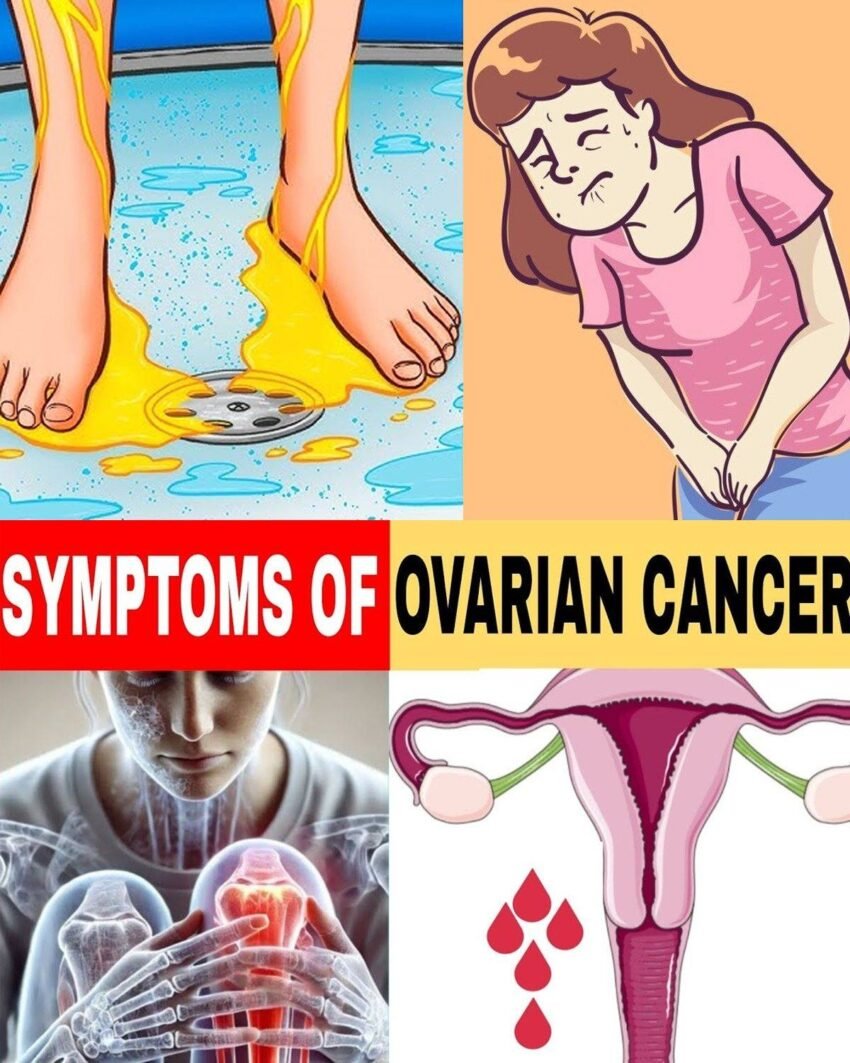
6 Subtle Warning Signs of Ovarian Cancer That Most Women Overlook
Ovarian cancer is often detected late. Learn 6 subtle warning signs most women miss, and when to seek medical evaluation for early detection.
Introduction: Why Early Detection Matters
Ovarian cancer is sometimes called a “silent killer” because early-stage symptoms are often subtle or mistaken for everyday issues like bloating, digestive problems, or fatigue. Many women don’t realize anything is wrong until the disease has progressed, making early detection challenging but critical.
Recognizing the early, often-overlooked signs can empower women to seek timely medical care. In this article, we’ll explore six subtle warning signs of ovarian cancer and why paying attention to your body matters.
1. Persistent Bloating or Abdominal Swelling
Why It Happens
-
Tumors or fluid buildup in the abdomen can cause swelling
-
Unlike occasional bloating from diet, ovarian cancer–related bloating tends to persist daily
What to Watch For
-
Feeling full quickly while eating
-
Visible abdominal distension
-
Discomfort that doesn’t go away after a day or two
Tip: Keep track of bloating patterns and discuss persistent changes with your doctor.
2. Changes in Appetite or Feeling Full Quickly
Why It Happens
-
Ovarian tumors may press on the stomach or intestines
-
Digestive disruption can lead to early satiety
What to Watch For
-
Eating smaller portions than usual
-
Loss of appetite
-
Feeling full shortly after starting a meal
Note: This is often mistaken for stress or minor digestive issues, but persistence is key.
3. Unexplained Pelvic or Abdominal Pain
Why It Happens
-
Tumor growth can irritate surrounding organs or tissues
-
Pain may be dull, cramp-like, or persistent
What to Watch For
-
Constant discomfort in the lower abdomen or pelvis
-
Pain during sexual intercourse or physical activity
-
Pain not linked to menstruation or ovulation
Tip: Any new or persistent pelvic pain should be evaluated by a healthcare provider.
4. Changes in Urination or Bowel Habits
Why It Happens
-
Pressure from an ovarian mass on the bladder or intestines can affect function
-
Can lead to subtle but consistent changes
Signs to Notice
-
Urinating more frequently or urgently
-
Difficulty emptying the bladder fully
-
Constipation, diarrhea, or alternating bowel patterns
Tip: Track these changes and report them if they persist longer than a few weeks.
5. Unexplained Fatigue
Why It Happens
-
The body may divert energy to fight tumor growth
-
Anemia caused by slow internal bleeding can also contribute
What to Watch For
-
Feeling exhausted despite adequate rest
-
Reduced stamina or energy for daily activities
-
Fatigue that worsens over time
Tip: Persistent, unexplained fatigue deserves a medical evaluation, especially if combined with other symptoms.
6. Unusual Weight Changes
Why It Happens
-
Ovarian cancer can lead to fluid retention or metabolic changes
-
May result in either unexplained weight loss or rapid abdominal weight gain
Signs to Watch
-
Sudden weight changes without diet or lifestyle adjustments
-
Puffiness in the abdomen or lower body
-
Clothes fitting differently than usual
Tip: Note any significant changes and discuss them with a healthcare provider.
Red Flags That Require Immediate Attention
Seek medical care urgently if you experience:
-
Severe abdominal or pelvic pain
-
Unexplained vaginal bleeding
-
Persistent nausea or vomiting
-
Rapid or sudden abdominal swelling
Why These Signs Are Often Missed
-
Symptoms resemble common digestive, urinary, or hormonal issues
-
They develop gradually, making them easy to dismiss
-
Many women may not track or report subtle changes to their doctor
Early recognition, however, can improve treatment outcomes and survival rates.
Tips for Early Detection
-
Track your symptoms – Keep a journal of bloating, pain, or appetite changes
-
Regular check-ups – Especially important if you have a family history of ovarian or breast cancer
-
Know your risk factors – Age, genetics, endometriosis, or hormone therapy can increase risk
-
Don’t ignore subtle changes – Early evaluation is key, even if symptoms seem minor
Frequently Asked Questions
1. Can ovarian cancer be detected early?
Yes, but subtle symptoms make early detection challenging; awareness is critical.
2. Are these signs the same for all women?
Symptoms can vary; some women experience one sign while others have multiple.
3. Can bloating alone indicate cancer?
Not always—persistent bloating that doesn’t improve with diet or lifestyle changes should be evaluated.
4. Is ovarian cancer hereditary?
Family history of ovarian or breast cancer increases risk, but most cases are not hereditary.
5. Can lifestyle changes reduce risk?
Maintaining a healthy diet, regular exercise, and avoiding smoking may reduce overall risk.
6. Should I get imaging tests if I notice symptoms?
Your doctor may recommend ultrasounds or blood tests like CA-125 to investigate symptoms further.
7. Can early-stage ovarian cancer cause weight loss?
Yes, either subtle weight loss or abdominal weight gain can occur due to tumor growth or fluid accumulation.
8. Is pelvic pain always related to ovarian cancer?
No, but persistent or worsening pain should be checked to rule out serious conditions.
Conclusion: Listen to Your Body
Ovarian cancer is difficult to detect early, but awareness of subtle warning signs can save lives. Persistent bloating, pelvic pain, changes in appetite or urination, unexplained fatigue, and unusual weight changes are all signals your body may be sending.
If you notice these symptoms, don’t wait—schedule a check-up with your healthcare provider. Early evaluation improves the chances of effective treatment and better outcomes.
Call to Action
Share this information with the women in your life. Awareness and vigilance are powerful tools in detecting ovarian cancer early, potentially saving lives.