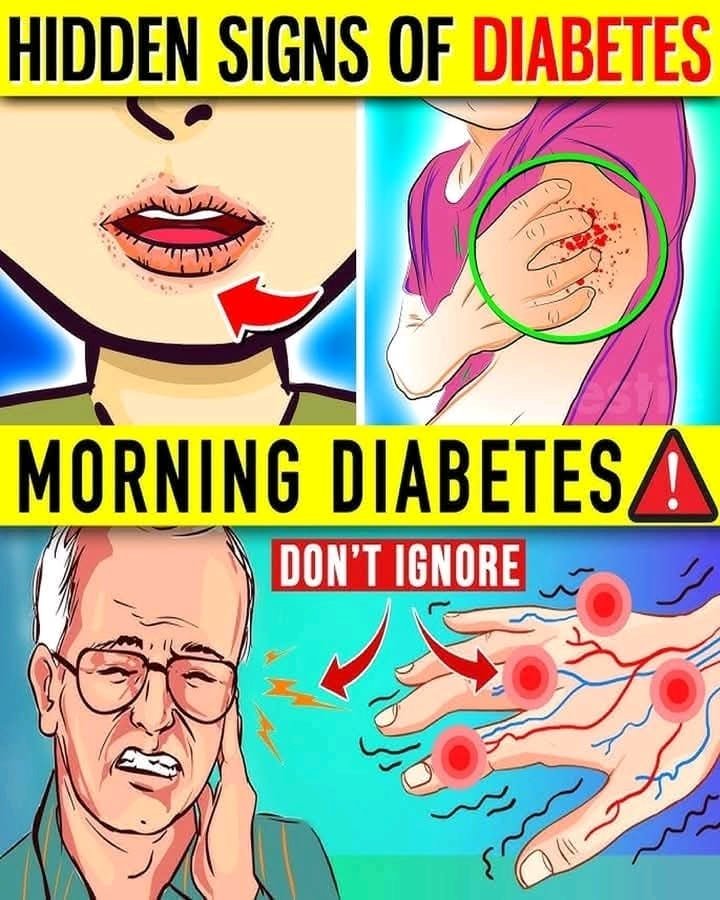
7 Night time Diabetes Signs and Tips to Stabilize Blood Sugar
Discover 7 common night time signs of diabetes and practical, doctor-approved tips to help stabilize blood sugar levels naturally and safely.
Introduction: Why Diabetes Symptoms Often Appear at Night
Many people associate diabetes symptoms with daytime issues like fatigue or thirst. However, some of the earliest and most noticeable warning signs often show up at night—when the body’s blood sugar regulation becomes more vulnerable.
Nighttime is when:
-
Hormonal shifts occur
-
The liver releases stored glucose
-
Long gaps without food affect blood sugar stability
Recognizing these signs early can make a significant difference in preventing complications and improving long-term health.
This article explains:
-
7 common nighttime signs linked to unstable blood sugar
-
Why they happen
-
Practical, safe tips to support healthier blood sugar levels
-
When to seek medical advice
This content is informational and not a substitute for professional medical care.
Understanding Blood Sugar Changes During Sleep
While you sleep, your body is still hard at work.
Key nighttime processes include:
-
Insulin sensitivity fluctuations
-
Release of stress hormones like cortisol
-
Liver glucose production
In people with diabetes or prediabetes, these processes may become unbalanced, leading to noticeable symptoms during the night or upon waking.
7 Nighttime Signs That May Indicate Blood Sugar Imbalance
1. Frequent Urination at Night
Waking up multiple times to urinate (nocturia) can be an early warning sign.
Why it happens:
-
High blood sugar causes excess glucose to spill into urine
-
The kidneys pull more water to flush it out
Occasional nighttime urination is normal, but frequent disruption may need attention.
2. Excessive Thirst During the Night
If you wake up with an intense need to drink water, it may be related to dehydration caused by elevated blood sugar.
Common clues:
-
Dry mouth
-
Sticky or parched feeling
-
Needing water repeatedly overnight
3. Night Sweats (Without Room Temperature Changes)
Unexplained night sweats can occur when blood sugar drops too low during sleep.
Possible triggers:
-
Evening insulin or medication timing
-
Skipping dinner or late snacks
-
Alcohol consumption
Low blood sugar activates stress hormones, causing sweating and restlessness.
4. Restless Sleep or Sudden Nighttime Awakening
Blood sugar fluctuations can disrupt the nervous system, making it difficult to stay asleep.
You may experience:
-
Tossing and turning
-
Sudden awakening without clear reason
-
Difficulty falling back asleep
5. Morning Headaches
Waking up with a dull headache may indicate unstable overnight glucose levels.
This can be caused by:
-
Low blood sugar during sleep
-
Dehydration from high blood sugar
-
Poor sleep quality linked to glucose swings
6. Tingling or Numbness in Hands or Feet at Night
This sensation, often more noticeable when lying still, may be associated with nerve irritation.
While many conditions can cause tingling, persistent nighttime symptoms should be evaluated—especially in people with known blood sugar issues.
7. Intense Hunger Late at Night or Upon Waking
Sudden hunger during the night can be a sign of blood sugar dropping too low.
The body responds by releasing hunger hormones to restore glucose balance.
Important Note on Symptoms
These signs do not automatically mean you have diabetes.
They are signals that blood sugar may not be well regulated and deserve proper medical evaluation.
Tips to Help Stabilize Blood Sugar at Night
1. Eat a Balanced Evening Meal
A stable dinner supports steady blood sugar overnight.
Include:
-
Lean protein
-
Fiber-rich vegetables
-
Healthy fats
-
Moderate complex carbohydrates
Avoid heavy, high-sugar meals late in the evening.
2. Be Strategic With Evening Snacks
If needed, choose snacks that combine protein and fiber, such as:
-
Nuts with yogurt
-
Apple slices with peanut butter
-
Cottage cheese with seeds
This helps prevent overnight drops or spikes.
3. Maintain Consistent Meal Timing
Eating at irregular hours can confuse insulin signaling.
Try to:
-
Eat dinner at the same time daily
-
Avoid large meals close to bedtime
Consistency supports hormonal balance.
4. Limit Sugary Drinks and Alcohol at Night
Sweet beverages and alcohol can cause delayed blood sugar drops during sleep.
If consumed:
-
Keep portions small
-
Pair with food
-
Avoid right before bed
5. Stay Hydrated Throughout the Day
Proper hydration reduces nighttime thirst and supports kidney function.
Drink water steadily during the day rather than large amounts at night.
6. Manage Stress Before Bed
Stress hormones raise blood sugar.
Helpful habits include:
-
Light stretching
-
Deep breathing
-
Reading or meditation
-
Reducing screen time before sleep
7. Monitor Blood Sugar if Recommended
For those already diagnosed, nighttime or morning glucose monitoring can reveal patterns that daytime checks miss.
Always follow your healthcare provider’s guidance.
Common Mistakes to Avoid
-
Skipping dinner to “lower sugar”
-
Overcorrecting with sugary snacks at night
-
Ignoring repeated sleep disturbances
-
Adjusting medication without medical advice
When to See a Doctor
Seek medical evaluation if:
-
Nighttime symptoms occur frequently
-
Sleep is consistently disrupted
-
You experience unexplained weight changes
-
There is a family history of diabetes
Early assessment can prevent progression and complications.
Frequently Asked Questions (FAQs)
Can diabetes symptoms really appear at night?
Yes. Hormonal changes during sleep can reveal blood sugar instability.
Are night sweats always related to diabetes?
No. They can have many causes, but frequent episodes warrant evaluation.
Does waking up hungry mean blood sugar is low?
It can, but other factors like stress or diet may also contribute.
Can better sleep improve blood sugar control?
Yes. Quality sleep improves insulin sensitivity.
Is nighttime urination always abnormal?
Occasional trips are normal; frequent disruption may need attention.
Should I eat before bed if I have diabetes?
Only if advised. Choose balanced, low-sugar options.
Can exercise affect nighttime blood sugar?
Yes. Evening activity can lower glucose during sleep.
Is prediabetes associated with nighttime symptoms?
It can be, especially subtle ones like thirst or restlessness.
Final Thoughts: Listen to What Your Body Tells You at Night
Night time symptoms are often the body’s quiet way of asking for attention. Recognizing patterns early allows for timely lifestyle changes, medical guidance, and better long-term outcomes.
Blood sugar balance isn’t about perfection—it’s about consistency, awareness, and informed choices.
Call to Action
If you or someone you care about experiences these night time signs regularly, consider tracking symptoms and discussing them with a healthcare professional.
Sharing accurate information can help others recognize early warning signs and take proactive steps toward better health.