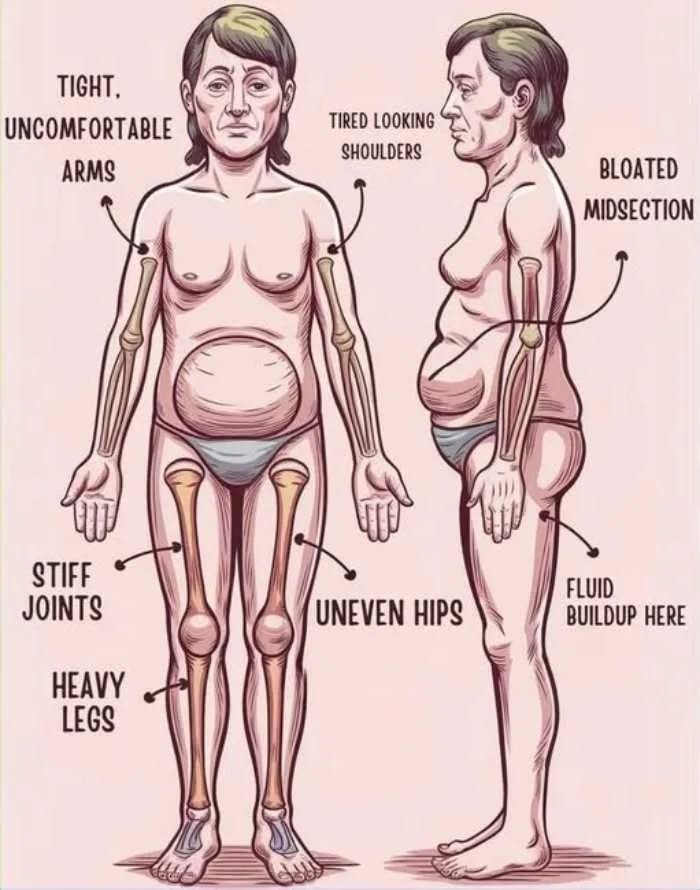
7 Signs of Lymphatic Flow Issues and How to Flush Out Naturally
The lymphatic system is a crucial part of your body’s immune and detoxification network. It transports lymph—a fluid containing white blood cells, waste, and toxins—throughout the body. When lymph flow slows or becomes blocked, toxins accumulate, leading to swelling, fatigue, and other health issues.
Understanding the signs of lymphatic congestion and natural ways to support lymphatic health can dramatically improve energy, immunity, and overall wellness.
What Is the Lymphatic System?
-
Network of vessels and nodes: Similar to veins, carrying lymph instead of blood
-
Immune support: Lymph nodes filter harmful substances and produce white blood cells
-
Waste removal: Transports metabolic waste, toxins, and excess fluids out of tissues
-
Interconnected organs: Spleen, tonsils, and thymus contribute to lymphatic function
Unlike the circulatory system, the lymphatic system has no pump; it relies on muscle movement, breathing, and body motion to keep lymph flowing.
7 Signs Your Lymphatic System Might Be Congested
1. Swelling and Puffiness
-
Particularly in hands, feet, face, or under eyes
-
Caused by fluid accumulation due to poor lymph drainage
2. Frequent Infections or Slow Healing
-
Congested lymph slows immune response
-
May lead to frequent colds, sore throats, or sinus issues
3. Chronic Fatigue
-
Toxin buildup in tissues can cause low energy and sluggishness
-
Feeling drained even after sufficient sleep
4. Brain Fog or Mental Fog
-
Lymphatic congestion in the brain area (glymphatic system) affects focus, clarity, and memory
5. Swollen or Tender Lymph Nodes
-
Commonly found in neck, underarm, or groin
-
Tender nodes may indicate lymphatic backup or immune activity
6. Cellulite or Skin Issues
-
Poor lymphatic flow can contribute to fluid retention under the skin, making cellulite more visible
-
Skin may appear dull, dry, or inflamed
7. Digestive Problems
-
Lymphatic congestion in the gut can lead to bloating, constipation, or sluggish metabolism
Natural Ways to Improve Lymphatic Flow
1. Stay Active
-
Exercise stimulates lymph movement since it relies on muscle contractions
-
Activities like walking, swimming, yoga, and rebounding (mini-trampoline) are excellent
2. Deep Breathing Exercises
-
Lymphatic flow depends on thoracic pressure changes from breathing
-
Practice deep diaphragmatic breathing several times a day
3. Hydrate Well
-
Water is essential for lymph to flow freely
-
Drink at least 8–10 glasses of water daily
4. Dry Brushing
-
Gently brush skin with a natural bristle brush toward the heart
-
Stimulates lymph nodes and circulation
5. Massage Therapy
-
Lymphatic drainage massage manually encourages lymph movement
-
Can reduce swelling and toxin buildup
6. Eat Lymph-Friendly Foods
-
Leafy greens, citrus, berries, garlic, ginger, turmeric
-
Foods rich in antioxidants and phytonutrients support lymph health
7. Reduce Toxins
-
Limit processed foods, sugar, and alcohol
-
Avoid exposure to chemicals when possible (cleaning products, cosmetics, etc.)
Lifestyle Tips for Optimal Lymphatic Health
-
Wear loose-fitting clothing to avoid restricting lymph flow
-
Maintain a healthy weight to prevent lymph congestion
-
Alternate hot and cold showers to stimulate circulation
-
Practice mindful stress reduction, since stress hormones can slow lymph flow
When to See a Doctor
-
Persistent swelling or painful lymph nodes
-
Frequent infections or prolonged fatigue
-
Symptoms worsening despite lifestyle changes
Early attention ensures lymphatic issues don’t contribute to chronic inflammation or immune system problems.
Takeaway
Your lymphatic system is your body’s natural detox network, and keeping it flowing is essential for energy, immunity, and overall wellness.
Signs of sluggish lymph flow include swelling, fatigue, brain fog, skin issues, and digestive disturbances. Fortunately, simple lifestyle habits like exercise, deep breathing, hydration, dry brushing, and a nutrient-rich diet can help flush out toxins naturally and support lymphatic health.