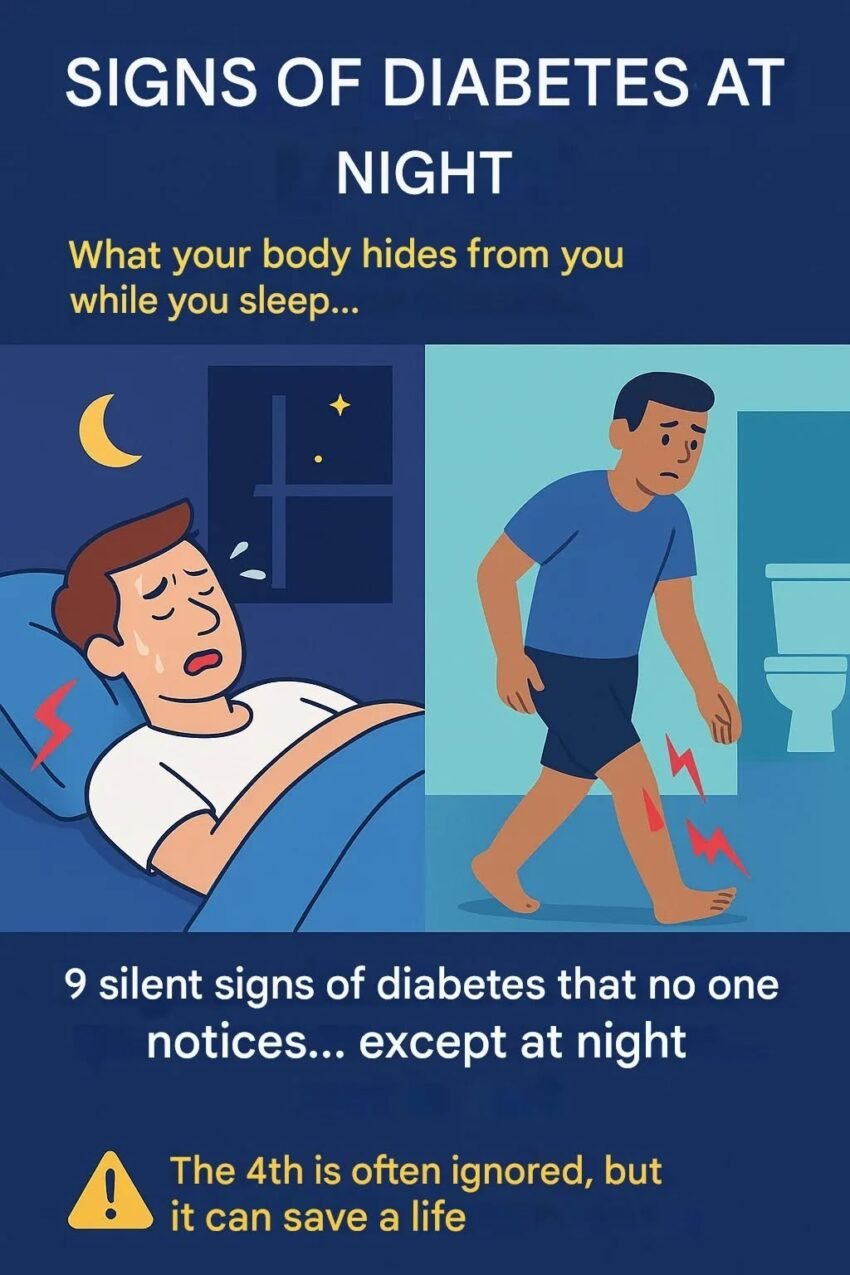
9 Signs of Diabetes That Appear at Night: What You Need to Know!
Diabetes is a chronic condition that affects how your body processes blood sugar (glucose). While many symptoms of diabetes appear during the day, some warning signs become more noticeable at night—often disrupting sleep and overall quality of life.
Recognizing these nighttime symptoms of diabetes early can help you seek timely medical care and prevent serious complications. In this article, we’ll explore nine common signs of diabetes that may appear at night, why they happen, and when to consult a healthcare professional.
Disclaimer: This content is for educational purposes only and should not replace professional medical advice, diagnosis, or treatment.
Why Do Diabetes Symptoms Worsen at Night?
At night, hormonal changes, blood sugar fluctuations, and reduced physical activity can make diabetes symptoms more noticeable. Poor blood sugar control may lead to high (hyperglycemia) or low (hypoglycemia) levels during sleep, triggering discomfort and sleep disturbances.
1. Frequent Nighttime Urination (Nocturia)
Waking up multiple times at night to urinate is one of the earliest and most common signs of diabetes.
Why it happens:
High blood sugar forces the kidneys to work harder to remove excess glucose, leading to increased urine production.
Warning sign: Urinating more than once or twice per night regularly.
2. Excessive Thirst at Night
If you feel unusually thirsty during the night, it could be linked to high blood sugar levels.
Why it happens:
Frequent urination causes dehydration, prompting intense thirst—even while sleeping.
3. Night Sweats
Unexplained sweating during sleep may indicate low blood sugar (hypoglycemia), especially in people with diabetes.
Common signs include:
-
Soaked sheets or pajamas
-
Cold sweats
-
Shivering during sleep
Night sweats should never be ignored, especially if they occur often.
4. Restless or Interrupted Sleep
People with undiagnosed or poorly managed diabetes often experience poor sleep quality.
Possible causes:
-
Blood sugar fluctuations
-
Frequent bathroom visits
-
Nerve pain or discomfort
Chronic sleep disruption can worsen blood sugar control over time.
5. Tingling, Burning, or Numbness in Feet and Legs
This symptom may indicate diabetic neuropathy, a type of nerve damage caused by prolonged high blood sugar.
Why it’s worse at night:
Discomfort becomes more noticeable when you’re resting and not distracted.
6. Leg Cramps at Night
Painful leg cramps during sleep can be associated with diabetes-related nerve or circulation issues.
Possible contributing factors:
-
Dehydration
-
Electrolyte imbalance
-
Poor blood circulation
7. Intense Hunger During the Night
Waking up extremely hungry may be a sign of low blood sugar levels overnight, especially in people taking insulin or diabetes medications.
Watch out for:
-
Shakiness
-
Weakness
-
Confusion upon waking
8. Dry Mouth and Throat at Night
A persistent dry mouth while sleeping can signal high blood sugar levels.
Why it matters:
Reduced saliva increases the risk of cavities, gum disease, and oral infections—common complications of diabetes.
9. Blurred Vision in Low Light
Some people with diabetes experience blurred vision at night or when waking up.
Cause:
Fluctuating blood sugar levels can temporarily affect the shape of the eye lens, leading to vision changes.
When Should You See a Doctor?
If you experience multiple nighttime symptoms consistently, especially along with daytime signs such as fatigue, unexplained weight loss, or frequent infections, it’s important to consult a healthcare provider.
Early diagnosis allows for:
-
Better blood sugar management
-
Reduced risk of complications
-
Improved sleep and quality of life
How to Reduce Nighttime Diabetes Symptoms
While medical treatment is essential, these steps may help improve nighttime comfort:
-
Maintain stable blood sugar levels
-
Avoid heavy meals before bedtime
-
Stay hydrated during the day
-
Monitor blood glucose regularly
-
Follow your doctor’s treatment plan
Final Thoughts
Nighttime symptoms can be subtle but significant warning signs of diabetes. Frequent urination, night sweats, tingling feet, and restless sleep should never be ignored.
Recognizing these symptoms early can make a major difference in managing diabetes effectively and protecting long-term health.
Frequently Asked Questions (FAQs)
Can diabetes symptoms appear only at night?
Some symptoms are more noticeable at night, but diabetes usually affects the body throughout the day.
Are night sweats always a sign of diabetes?
No, but frequent night sweats without explanation should be medically evaluated.
Can lifestyle changes reduce nighttime symptoms?
Yes, proper diet, medication adherence, and blood sugar monitoring can help.