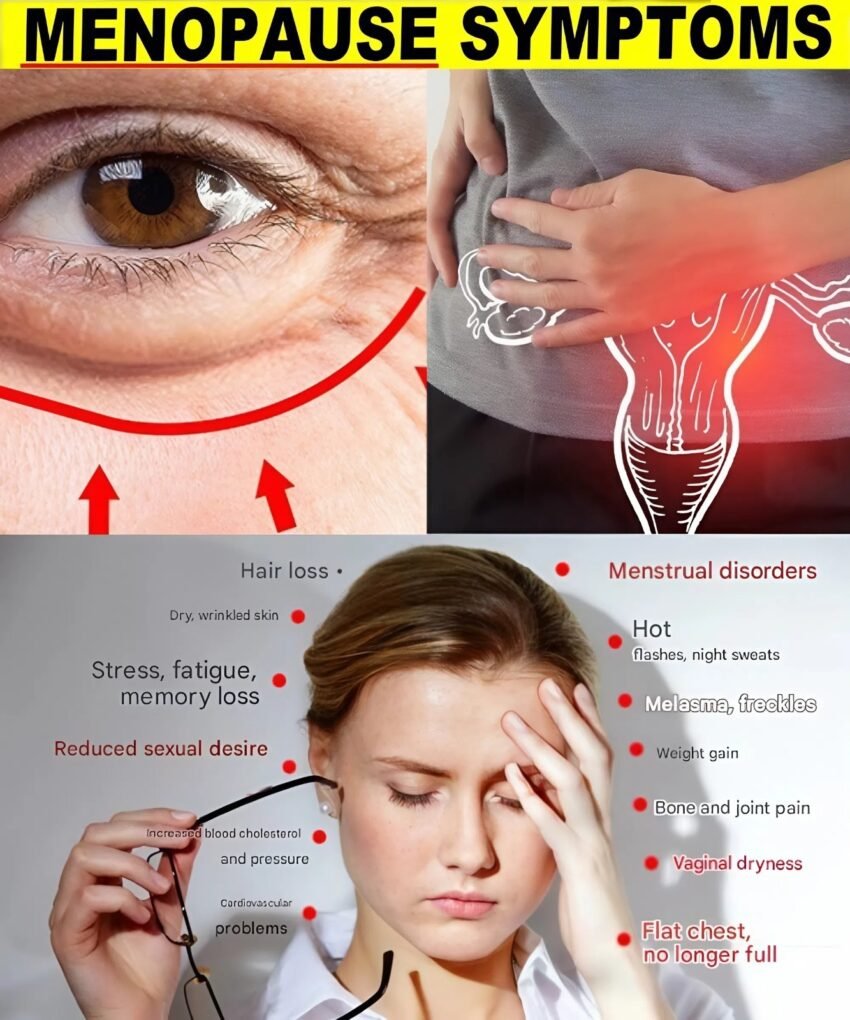
9 Signs You’re Actually Going Through Menopause
Menopause doesn’t usually happen overnight. For most women, it’s a gradual transition that can begin years before periods stop completely. Because the symptoms can be subtle, inconsistent, or mistaken for stress or aging, many women don’t realize what’s happening to their bodies.
If you’ve been feeling “not quite yourself,” these nine common signs may indicate that you’re entering perimenopause or menopause.
What Is Menopause, Exactly?
Menopause is officially diagnosed when a woman has gone 12 consecutive months without a menstrual period. The transition phase leading up to it—called perimenopause—can last anywhere from 2 to 10 years.
During this time, levels of estrogen and progesterone fluctuate, affecting sleep, mood, metabolism, skin, and overall well-being.
🔴 9 Signs You’re Actually Going Through Menopause
1️⃣ Irregular or Changing Periods
This is often the first noticeable sign.
You may experience:
-
Skipped periods
-
Shorter or longer cycles
-
Heavier or lighter bleeding
Periods may seem unpredictable, which is typical during perimenopause.
2️⃣ Hot Flashes and Night Sweats
Sudden waves of heat that spread through the body—often accompanied by sweating and a flushed face—are classic menopause symptoms.
Night sweats can:
-
Wake you from sleep
-
Soak bedding or clothes
-
Lead to daytime fatigue
Some women experience hot flashes for months; others for years.
3️⃣ Sleep Problems and Insomnia
Hormonal changes can disrupt sleep even if you’ve never had sleep issues before.
Common complaints include:
-
Trouble falling asleep
-
Waking during the night
-
Waking too early
-
Feeling unrefreshed in the morning
Poor sleep can worsen other menopause symptoms.
4️⃣ Mood Swings, Anxiety, or Irritability
Estrogen influences brain chemicals that regulate mood. As levels drop, emotional changes may occur.
You might notice:
-
Increased irritability
-
Anxiety or restlessness
-
Sudden sadness or tearfulness
These feelings are biological, not a personal weakness.
5️⃣ Vaginal Dryness or Discomfort
Lower estrogen causes thinning and drying of vaginal tissues.
Symptoms may include:
-
Dryness or itching
-
Burning sensation
-
Pain during intimacy
This is common and treatable, yet many women hesitate to discuss it.
6️⃣ Changes in Sex Drive
Some women experience a decrease in libido, while others notice changes in arousal or sensation.
Contributing factors include:
-
Hormonal shifts
-
Vaginal discomfort
-
Fatigue and stress
Sexual changes during menopause are normal and manageable.
7️⃣ Brain Fog and Memory Lapses
Many women report:
-
Difficulty concentrating
-
Forgetting names or words
-
Feeling mentally “foggy”
This menopause-related brain fog is usually temporary but can be frustrating.
8️⃣ Weight Gain and Slower Metabolism
Even without changing diet or activity, weight gain—especially around the abdomen—is common.
Reasons include:
-
Hormonal changes
-
Loss of muscle mass
-
Slower metabolism
This shift is a normal physiological response, not a failure of willpower.
9️⃣ Joint Pain, Muscle Aches, or Stiffness
Estrogen helps protect joints and reduce inflammation. As levels decline, some women experience:
-
Aching joints
-
Morning stiffness
-
Increased muscle soreness
These symptoms may come and go during the transition.
When Should You Talk to a Doctor?
Consider seeing a healthcare provider if:
-
Symptoms interfere with daily life
-
Period changes are extreme or prolonged
-
Hot flashes, anxiety, or sleep issues feel unmanageable
Blood tests aren’t always required, but they may help rule out other conditions such as thyroid disorders.
Managing Menopause Symptoms
Treatment options vary and may include:
-
Lifestyle changes (exercise, sleep, stress reduction)
-
Dietary adjustments
-
Hormone therapy (for some women)
-
Non-hormonal medications
-
Vaginal estrogen for dryness
The best approach is individualized care.
Frequently Asked Questions
Can menopause start before age 45?
Yes. Early menopause and perimenopause can begin in the late 30s or early 40s.
Do all women have severe symptoms?
No. Some experience mild symptoms, while others have more intense changes.
Do menopause symptoms ever go away?
Many symptoms improve over time, though some—like vaginal dryness—may persist without treatment.
Final Thoughts
Menopause is not an illness—it’s a natural life transition. Recognizing the signs early can help you seek support, reduce discomfort, and feel more in control of your health.
If several of these symptoms sound familiar, your body may be signaling that menopause has begun. Understanding what’s happening is the first step toward managing it confidently.