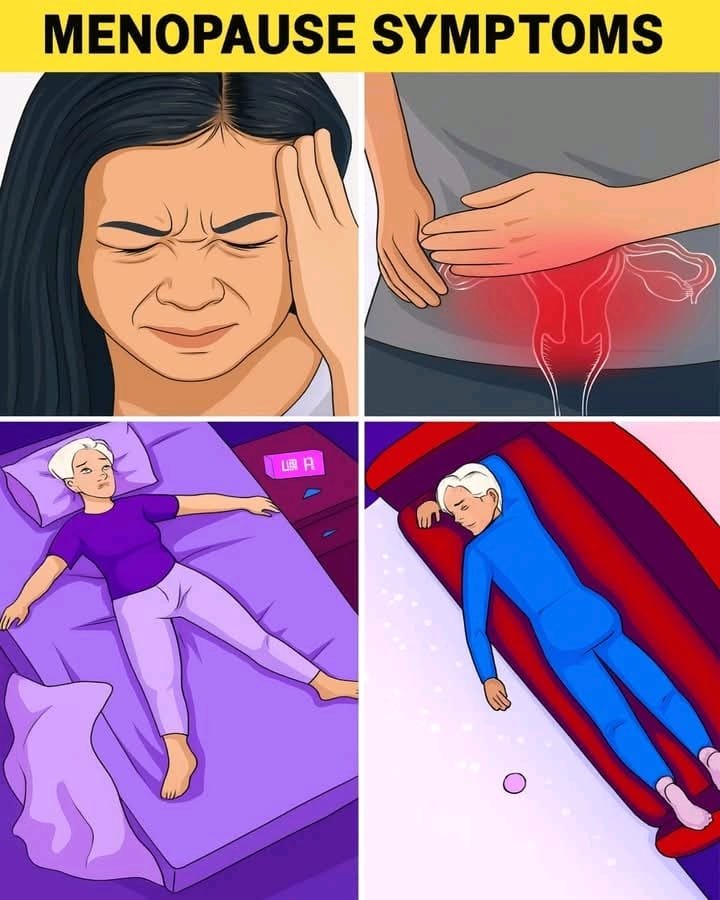
9 Signs You’re Actually Going Through Menopause (Not Just “Hormonal Changes”)
Think menopause only means missed periods? Discover 9 real signs of menopause, how it starts, what’s normal, and how to manage symptoms confidently.
Introduction: Is It Menopause or Something Else?
Many women enter menopause without realizing it. Why? Because menopause rarely starts the way people expect. It doesn’t suddenly arrive with a dramatic farewell period and instant hot flashes. Instead, it creeps in quietly—often disguised as stress, aging, or “just hormones.”
Mood swings, weight gain, sleep problems, anxiety, or fatigue are often brushed off or misdiagnosed. But when these symptoms appear together or persist, menopause may already be underway.
This in-depth guide breaks down 9 scientifically recognized signs of menopause, explains why they happen, and offers practical ways to manage them. Whether you’re in your 40s, early 50s, or simply curious, this article will help you understand what your body is trying to tell you.
What Is Menopause, Exactly?
Menopause marks the end of a woman’s reproductive years. Clinically, it’s diagnosed after 12 consecutive months without a menstrual period, not caused by pregnancy or medical conditions.
Menopause is not a single moment—it’s a transition that unfolds over years.
The Three Stages
-
Perimenopause – Hormonal fluctuations begin (can last 4–10 years)
-
Menopause – Periods stop completely
-
Postmenopause – Life after menopause, symptoms may continue
Most women begin this transition between 45 and 55, though timing varies widely.
Why Menopause Symptoms Are So Confusing
Estrogen and progesterone don’t decline steadily. They fluctuate—sometimes dramatically. This hormonal unpredictability explains why menopause symptoms:
-
Come and go
-
Change in intensity
-
Mimic other conditions
-
Feel unrelated at first
Now let’s explore the 9 most telling signs that menopause may already be happening.
1. Irregular Periods (The First Big Clue)
One of the earliest and most reliable signs of menopause is a change in your menstrual cycle.
What Changes May Look Like
-
Periods arriving earlier or later
-
Skipping months
-
Heavier or lighter bleeding
-
Shorter or longer cycles
These changes happen because ovulation becomes irregular as estrogen levels fluctuate.
Important Note
Irregular periods alone don’t confirm menopause—but combined with other symptoms, they’re a strong indicator.
2. Hot Flashes and Night Sweats
Hot flashes are one of the most well-known menopause symptoms—and for good reason.
What a Hot Flash Feels Like
-
Sudden heat spreading across the body
-
Flushed skin
-
Rapid heartbeat
-
Sweating, followed by chills
Night sweats are hot flashes that occur during sleep and often cause frequent waking.
Why It Happens
Hormonal changes disrupt the brain’s temperature regulation system.
3. Sleep Problems That Come Out of Nowhere
If you’ve always slept well but suddenly struggle to fall or stay asleep, menopause could be the reason.
Common Sleep Issues
-
Insomnia
-
Waking up at 3–4 a.m.
-
Restless sleep
-
Night sweats disrupting rest
Poor sleep can worsen other symptoms, creating a frustrating cycle of fatigue and irritability.
4. Mood Swings, Anxiety, and Emotional Sensitivity
Many women are surprised to learn that menopause affects mental health just as much as physical health.
Emotional Symptoms
-
Mood swings
-
Increased anxiety
-
Irritability
-
Low motivation
-
Sudden sadness or tearfulness
The Science Behind It
Estrogen influences serotonin and dopamine—chemicals that regulate mood. When estrogen fluctuates, emotional stability can too.
5. Brain Fog and Memory Lapses
Forgetfulness during menopause is real and surprisingly common.
Examples of Brain Fog
-
Forgetting names or appointments
-
Trouble concentrating
-
Losing words mid-sentence
-
Mental fatigue
This doesn’t mean cognitive decline—it’s a temporary effect of hormonal shifts combined with poor sleep.
6. Weight Gain (Especially Around the Midsection)
If you’re gaining weight despite no changes in diet or activity, menopause may be the culprit.
Why Weight Gain Happens
-
Slower metabolism
-
Loss of muscle mass
-
Increased insulin resistance
-
Fat redistribution toward the abdomen
This shift increases the importance of strength training and balanced nutrition during midlife.
7. Vaginal Dryness and Intimacy Changes
Lower estrogen levels affect vaginal tissue, making it thinner, drier, and less elastic.
Common Intimate Changes
-
Vaginal dryness
-
Discomfort during intimacy
-
Reduced libido
-
Increased urinary infections
These symptoms are common but often underreported due to embarrassment—yet they’re highly treatable.
8. Changes in Skin, Hair, and Nails
Menopause impacts collagen production, hydration, and hair growth cycles.
Physical Changes You May Notice
-
Dry or itchy skin
-
Thinning hair
-
Hair shedding
-
Brittle nails
-
Increased wrinkles
Estrogen plays a key role in maintaining skin elasticity and hair strength.
9. Increased Fatigue and Low Energy
Persistent tiredness that doesn’t improve with rest is another key sign.
Contributing Factors
-
Hormonal imbalance
-
Poor sleep quality
-
Iron changes
-
Emotional stress
Fatigue during menopause is real—and not a sign of weakness or laziness.
How Menopause Is Diagnosed
Menopause is primarily diagnosed based on symptoms and age.
Diagnostic Tools
-
Medical history review
-
Symptom tracking
-
Blood tests (in some cases)
Hormone tests are not always reliable during perimenopause due to fluctuating levels.
Managing Menopause: What Actually Helps
There’s no one-size-fits-all approach, but effective management combines medical care and lifestyle strategies.
Medical Options
-
Hormone therapy (when appropriate)
-
Non-hormonal medications
-
Vaginal treatments for dryness
Always discuss risks and benefits with a healthcare provider.
Lifestyle Strategies That Make a Real Difference
Nutrition
-
Focus on whole foods
-
Prioritize protein and fiber
-
Reduce sugar and ultra-processed foods
Exercise
-
Strength training to preserve muscle
-
Walking, yoga, or swimming
-
Regular movement improves mood and sleep
Stress Management
-
Mindfulness
-
Breathing exercises
-
Counseling or support groups
Sleep Hygiene
-
Consistent bedtime
-
Limit screen use at night
-
Keep the bedroom cool
Pros and Cons of Menopause Treatments
Pros
-
Symptom relief
-
Improved quality of life
-
Better sleep and mood
Cons
-
Possible side effects
-
Not all treatments work for everyone
-
Requires individualized care
Common Mistakes Women Make
-
Ignoring symptoms
-
Assuming it’s “just aging”
-
Delaying medical advice
-
Comparing symptoms to others
-
Self-treating without guidance
Your menopause journey is unique.
Frequently Asked Questions
1. Can menopause start in your 30s?
Yes, early menopause is possible, though less common.
2. How long do menopause symptoms last?
Symptoms can last several years, even after periods stop.
3. Can menopause cause anxiety?
Yes, hormonal changes can trigger or worsen anxiety.
4. Is weight gain inevitable?
No, but lifestyle adjustments become more important.
5. Do all women get hot flashes?
No, symptoms vary widely.
6. Can menopause affect heart health?
Yes, lower estrogen affects cardiovascular risk.
7. Is hormone therapy safe?
It can be safe for many women when used appropriately.
8. Does menopause lower libido permanently?
Not necessarily—treatment and communication help.
9. Can menopause cause joint pain?
Yes, estrogen affects joint lubrication and inflammation.
The Future of Menopause Care
Emerging Trends
-
Personalized hormone therapy
-
Non-hormonal symptom treatments
-
Increased awareness and research
-
Better workplace support
Menopause is finally being recognized as a major health transition—not a condition to suffer through silently.
Conclusion: Listening to Your Body Changes Everything
Menopause isn’t the end of vitality—it’s a powerful transition into a new phase of life. Recognizing the signs early allows you to manage symptoms, protect long-term health, and feel more in control.
Your body isn’t betraying you—it’s communicating.
Call to Action
If this article helped you recognize what’s been happening in your body, share it with other women who may be confused or struggling. Open conversations change lives. Listen to your body, seek support, and step into this new chapter informed and empowered.