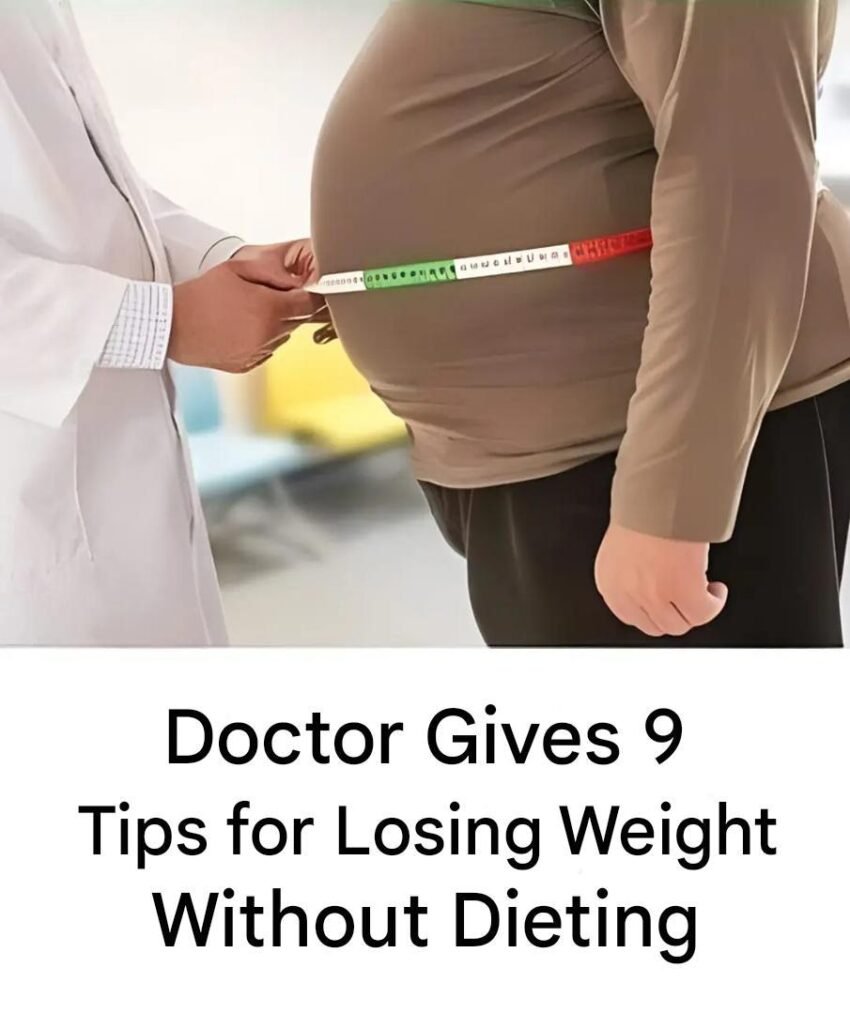
9 Doctor-Approved Tips to Lose Weight Naturally — Without Deprivation or Frustration
If you’ve ever tried to lose weight by cutting calories aggressively, skipping meals, or following strict rules, you already know how it usually ends: exhaustion, frustration, and weight regain.
Most doctors today agree on one important truth:
Sustainable weight loss is not about suffering. It’s about working with your body, not against it.
The following nine tips reflect what many physicians, nutrition specialists, and lifestyle medicine doctors consistently recommend to patients who want to lose weight naturally, gradually, and without feeling miserable.
These are not hacks or fads. They’re habits that actually stick.
1. Stop Trying to Eat Less — Focus on Eating Better
One of the biggest mistakes people make is eating less food instead of better food.
When you drastically reduce calories:
-
Hunger hormones increase
-
Metabolism slows
-
Cravings intensify
Doctors often recommend focusing on food quality first, not quantity.
What This Means in Practice
-
Add more whole foods before removing anything
-
Prioritize protein, fiber, and healthy fats
-
Build meals that leave you satisfied, not deprived
When meals are nourishing, portion control often happens naturally.
2. Build Every Meal Around Protein
Protein is one of the most powerful tools for natural weight loss.
Why Doctors Emphasize Protein
Protein:
-
Reduces hunger hormones
-
Increases fullness
-
Preserves muscle during weight loss
-
Slightly boosts calorie burn through digestion
People who eat enough protein tend to snack less—without trying.
Simple Protein Sources
-
Eggs
-
Fish
-
Poultry
-
Yogurt
-
Legumes
-
Tofu
-
Nuts and seeds (in moderate amounts)
You don’t need extremes—just consistency.
3. Don’t Fear Healthy Fats
Low-fat dieting often backfires.
Healthy fats:
-
Slow digestion
-
Stabilize blood sugar
-
Improve satiety
-
Enhance flavor and satisfaction
Doctors now recognize that fat doesn’t cause fat gain—overconsumption of ultra-processed food does.
Healthy Fats to Include
-
Olive oil
-
Avocados
-
Nuts
-
Seeds
-
Fatty fish
When meals taste good and feel satisfying, willpower becomes less necessary.
4. Walk More — It’s Underrated and Powerful
You don’t need intense workouts to lose weight.
Many doctors recommend daily walking as the foundation of fat loss because it:
-
Burns calories without stressing the body
-
Improves insulin sensitivity
-
Reduces stress hormones
-
Is sustainable long-term
A Simple Goal
-
20–45 minutes of walking most days
-
Can be broken into short sessions
-
No gym required
Consistency matters more than intensity.
5. Sleep Like It Matters — Because It Does
Poor sleep can sabotage weight loss even with a “perfect” diet.
Doctors consistently link lack of sleep to:
-
Increased appetite
-
Higher cravings for sugar and carbs
-
Reduced fat loss
-
Hormonal imbalance
What Helps
-
Aim for 7–8 hours most nights
-
Keep a consistent sleep schedule
-
Reduce screens before bed
Better sleep often leads to effortless appetite control.
6. Stop Drinking Your Calories
Liquid calories are one of the easiest ways to gain weight without feeling full.
Doctors often advise cutting back on:
-
Sugary drinks
-
Sweetened coffee beverages
-
Fruit juices
-
Alcohol (especially frequent intake)
Better Choices
-
Water
-
Herbal teas
-
Sparkling water
-
Unsweetened beverages
This change alone can lead to noticeable fat loss—without hunger.
7. Eat Slower Than You Think You Need To
Your brain needs time to register fullness.
When you eat quickly:
-
You overeat before realizing it
-
Digestion suffers
-
Satisfaction decreases
A Doctor’s Simple Rule
Eat slowly enough that you could stop halfway and still feel okay.
Try:
-
Putting the fork down between bites
-
Chewing thoroughly
-
Eating without distractions when possible
This is one of the easiest habits to adopt—and one of the most effective.
8. Reduce Stress Instead of Fighting Your Body
Chronic stress increases cortisol, which can:
-
Promote fat storage
-
Increase cravings
-
Make weight loss harder despite effort
Doctors increasingly emphasize stress management as part of weight care.
Gentle Ways to Lower Stress
-
Walking outdoors
-
Deep breathing
-
Stretching
-
Prayer or meditation
-
Reducing constant multitasking
A calmer nervous system supports fat loss naturally.
9. Think Long-Term, Not “Fast Results”
Doctors rarely recommend rapid weight loss unless medically necessary.
Why?
-
Fast loss often leads to rebound gain
-
Muscle loss increases
-
Hormones adapt against you
A Healthier Mindset
-
Aim for progress, not perfection
-
Focus on habits, not scales
-
Measure success by energy, strength, and consistency
Slow weight loss is more likely to be permanent.
Common Weight Loss Myths Doctors Disagree With
-
“You must be hungry to lose weight” ❌
-
“Carbs are the enemy” ❌
-
“Exercise is the most important factor” ❌
-
“One diet works for everyone” ❌
Health is personal—and flexible.
Frequently Asked Questions
Can I lose weight without counting calories?
Yes. Many people succeed by focusing on food quality and habits.
Do I need to give up favorite foods?
No. Balance matters more than restriction.
How long before results show?
Many notice improvements in energy and appetite within weeks.
Is exercise mandatory?
Movement helps, but nutrition and sleep matter more initially.
Can stress really prevent weight loss?
Yes—hormones strongly influence fat storage.
Is slow weight loss effective?
Yes. It’s the most sustainable approach.
Should I weigh myself daily?
Not necessary. Trends matter more than daily numbers.
Does age make weight loss impossible?
No—habits still work at any age.
Final Thoughts
Natural weight loss isn’t about punishment.
It’s about alignment.
When you:
-
Eat satisfying meals
-
Move consistently
-
Sleep adequately
-
Manage stress
-
Stop fighting your body
…weight loss becomes calmer, steadier, and far less frustrating.
Doctors don’t want patients suffering—they want them thriving.
Call to Action
If this article helped shift how you think about weight loss, share it with someone who’s tired of dieting and ready for a more peaceful approach. Sustainable change starts with understanding—not restriction.