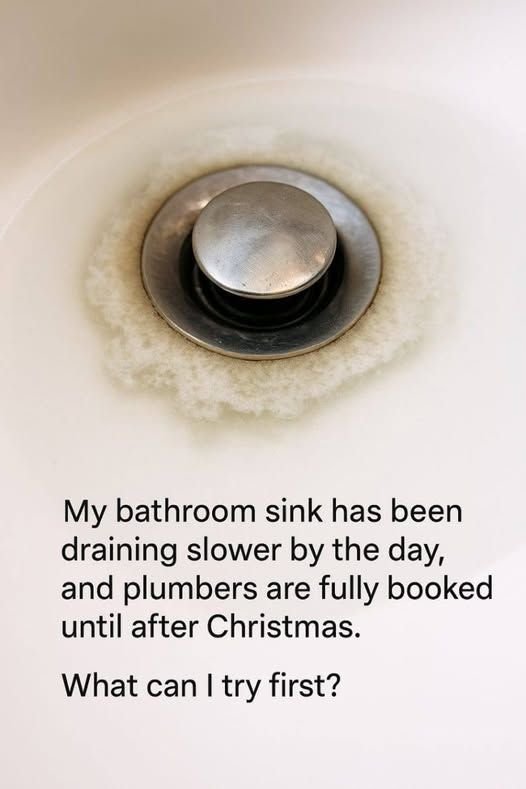
My Bathroom Sink Is Draining Slower Every Day: What You Can Try Before Calling a Plumber
Bathroom sink draining slowly? Learn simple, safe, and effective ways to unclog your sink before calling a plumber, especially when professionals are fully booked.
A slow-draining bathroom sink is one of those household annoyances that seems to get worse every day. Hair, soap scum, toothpaste, and grime gradually build up, causing your sink to drain sluggishly.
With plumbers often booked for weeks—especially around the holidays—knowing how to tackle minor clogs yourself can save time, money, and frustration.
In this guide, we’ll explore safe, effective methods to unclog your bathroom sink, step by step.
Why Bathroom Sinks Drain Slowly
Before trying solutions, it’s helpful to understand why slow drains happen:
Common Causes
-
Hair buildup – One of the most common culprits in bathroom sinks.
-
Soap scum and toothpaste – Can combine with hair to create a stubborn clog.
-
Mineral deposits – Hard water can leave calcium deposits that narrow pipes.
-
Foreign objects – Jewelry, cotton swabs, or other small items may get stuck.
Understanding the cause helps you choose the most effective method to unclog your sink.
Quick Fixes to Try Before Calling a Plumber
1. Boiling Water
-
Pour a kettle of boiling water slowly down the drain.
-
Repeat 2–3 times if necessary.
Best for: Soap or toothpaste clogs.
Caution: Avoid using boiling water on PVC pipes—they can soften or warp. Use hot tap water instead if unsure.
2. Remove the Stopper
-
Most bathroom sinks have a removable stopper.
-
Check under the sink for the horizontal pivot rod, loosen it, and pull out the stopper.
-
Remove hair and gunk manually.
Tip: Wear gloves—this is gross but effective.
3. Baking Soda + Vinegar
A natural, chemical-free solution:
-
Pour ½ cup baking soda into the drain.
-
Follow with ½ cup vinegar.
-
Cover the drain and let it fizz for 15–30 minutes.
-
Flush with hot water.
Why it works: Baking soda loosens debris, vinegar reacts to break up grime.
4. Use a Plunger
-
Make sure the sink has some water in it.
-
Cover the overflow hole with a wet cloth.
-
Plunge up and down 10–15 times.
-
Remove the plunger and check if water drains.
Tip: A small sink plunger works better than a large toilet plunger.
5. Use a Drain Snake / Zip-It Tool
-
A drain snake or Zip-It tool can reach hair and gunk deep inside the P-trap.
-
Insert it into the drain, twist, and pull out debris.
-
Clean thoroughly and flush with hot water.
Tip: These are cheap, reusable tools and often more effective than chemical drain cleaners.
6. Clean the P-Trap
The P-trap is the U-shaped pipe under your sink:
-
Place a bucket underneath to catch water.
-
Unscrew the slip nuts.
-
Remove the trap and clean out hair, soap scum, or debris.
-
Reassemble and test the drain.
Why this works: Many clogs are located here, and cleaning it can restore normal flow instantly.
What to Avoid
-
Harsh chemical drain cleaners can damage PVC pipes and are dangerous to skin and eyes.
-
Forcing water under pressure may damage pipes or create leaks.
-
Ignoring the problem can worsen clogs and lead to expensive plumbing repairs later.
Prevent Slow Drains in the Future
-
Use a hair catcher over the drain.
-
Flush drains with hot water weekly.
-
Avoid pouring grease, coffee grounds, or large debris down the sink.
-
Clean the stopper regularly.
Tip: Small preventive steps save headaches and plumber bills over time.
Frequently Asked Questions
How do I know if it’s a minor clog?
If water drains slowly but eventually goes down, it’s likely a hair or soap scum clog. Immediate backups indicate a bigger plumbing issue.
Can I use chemical drain cleaners safely?
They should be a last resort. Use gloves and avoid repeated use, especially with PVC pipes.
How often should I clean my P-trap?
Once every 3–6 months is usually enough to prevent clogs.
What if none of these methods work?
It may be a deeper pipe issue. Plumbers have specialized tools like motorized snakes or hydro-jetting.
Conclusion
A slow-draining bathroom sink doesn’t have to ruin your day or your holiday season. By removing stoppers, clearing hair, using safe home remedies like baking soda and vinegar, or cleaning the P-trap, you can often restore proper drainage without calling a plumber immediately.
Remember to prevent future clogs with simple maintenance, and keep a plunger or drain snake handy for emergencies.
Call to Action
If you found these tips helpful, share this guide with friends or family struggling with slow drains.
For more practical, DIY home maintenance advice, check out our other articles and save time, money, and stress around the house.