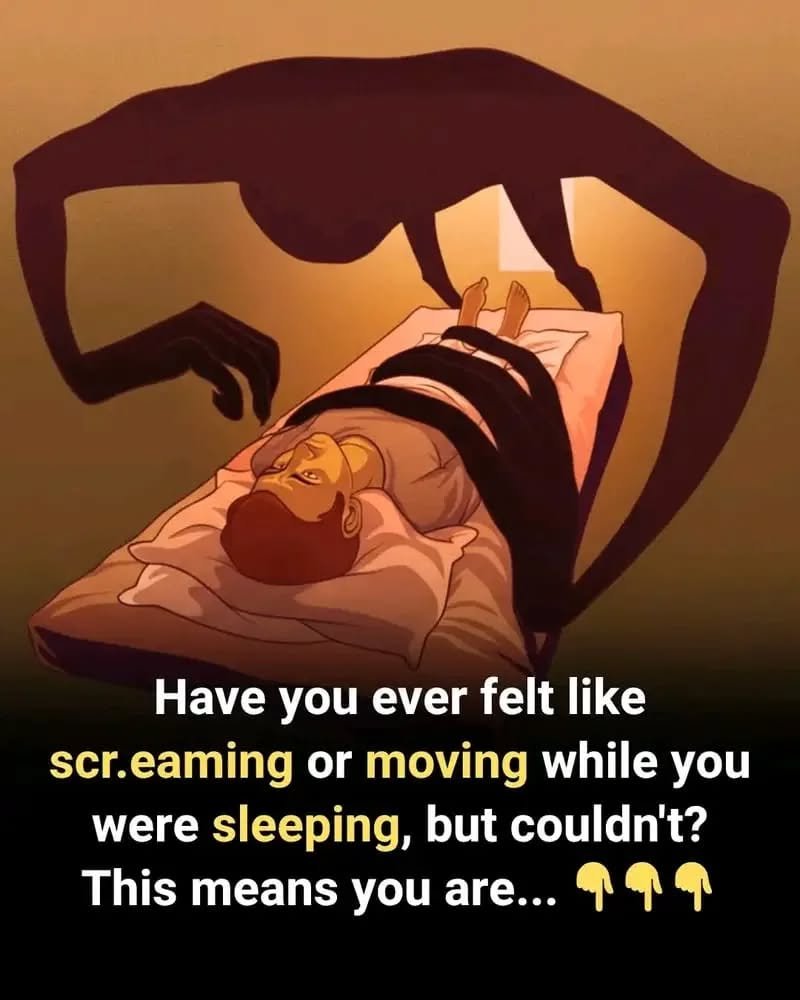
Has This Ever Happened to You? The Strange Phenomenon That Freezes You
Have you ever felt frozen in place, unable to move or speak? Discover why this strange phenomenon happens, what science says, and how to cope with it.
Imagine this: you’re lying in bed, or sitting quietly, and suddenly your body feels frozen. You can’t move your arms, legs, or even speak for a few seconds—or sometimes longer.
If this has ever happened to you, you’re not alone. Scientists have studied this bizarre, unsettling phenomenon, and it’s more common than most people realize.
In this article, we’ll explore what causes it, why it happens, and what you can do to cope.
What Is This “Freezing” Phenomenon?
The feeling of being “frozen” often occurs as a form of:
1. Sleep Paralysis
-
Happens when you are falling asleep or waking up
-
Your brain is awake, but your body remains in REM sleep paralysis
-
Can last from a few seconds to a couple of minutes
-
Often accompanied by hallucinations or pressure on the chest
2. Fight-or-Flight Freeze Response
-
Your body instinctively reacts to stress or danger
-
Unlike running or fighting, sometimes your brain triggers a freeze response, leaving you temporarily immobilized
-
This is a survival mechanism inherited from humans and animals
3. Panic or Anxiety Episodes
-
Intense fear or panic can cause temporary physical freeze
-
May include rapid heartbeat, sweating, and numbness
-
Often happens in response to stress or traumatic triggers
Why Does It Happen?
Sleep Paralysis Science
-
During REM (rapid eye movement) sleep, the body naturally paralyzes muscles to prevent acting out dreams
-
If you wake up before this paralysis ends, your mind is conscious, but your body is not
-
Triggers include:
-
Irregular sleep schedules
-
Stress or anxiety
-
Sleeping on your back
-
Certain sleep disorders
-
Freeze Response Science
-
Controlled by the autonomic nervous system
-
When faced with extreme fear, the body may freeze instead of running or fighting
-
Evolutionarily, this could make predators lose interest or delay detection
What Does It Feel Like?
People often describe the experience as:
-
Complete inability to move or speak
-
Feeling weight on the chest or pressure
-
Tingling or numbness in the limbs
-
Hallucinations or feeling a presence in the room (in sleep paralysis)
-
Sense of extreme fear or panic
How to Cope With It
During Sleep Paralysis
-
Stay calm—remind yourself it’s temporary
-
Focus on wiggling fingers or toes to break paralysis
-
Regulate breathing to reduce panic
-
Maintain consistent sleep schedules
-
Sleep on your side rather than your back
During Panic-Induced Freeze
-
Take slow, deep breaths
-
Ground yourself by focusing on physical sensations (touching a table, feeling your feet)
-
Remind yourself that the feeling is temporary and safe
-
Practice mindfulness or meditation regularly
When to Seek Medical Help
While occasional freezing episodes are usually harmless, see a doctor if:
-
Episodes are frequent or prolonged
-
Accompanied by severe chest pain, fainting, or breathing difficulty
-
You experience intense anxiety or sleep disorders
A sleep specialist, neurologist, or mental health professional can help identify triggers and offer strategies for prevention.
Interesting Facts
-
Up to 8% of people experience sleep paralysis at least once in their life
-
Some cultures interpret sleep paralysis as a spiritual or supernatural encounter
-
The freeze response is linked to trauma survival and is still observed in animals today
Prevention Tips
-
Stick to a regular sleep schedule
-
Reduce stress and anxiety with meditation or yoga
-
Avoid excessive caffeine or alcohol before bed
-
Keep a calm sleep environment—dark, quiet, and cool
-
Track sleep and stress patterns to identify triggers
Frequently Asked Questions (FAQs)
Q1: Can this happen while fully awake?
A: Yes, the freeze response can occur when conscious, usually in moments of extreme fear or panic.
Q2: Is it dangerous?
A: Usually not. It’s uncomfortable but harmless unless linked to a serious underlying condition.
Q3: Can children experience it?
A: Yes, children may experience sleep paralysis or freeze responses, often due to stress or irregular sleep.
Q4: Can medication help?
A: Sometimes, for frequent sleep paralysis, doctors may recommend sleep hygiene strategies or medication in rare cases.
Conclusion
The strange phenomenon of feeling “frozen” can be unnerving, but it is usually harmless. Whether it’s sleep paralysis, a freeze response to fear, or anxiety, understanding why it happens can help you stay calm and cope effectively.
By practicing sleep hygiene, stress management, and mindful awareness, you can reduce the frequency and severity of these episodes.
Call to Action
Have you ever experienced this freezing phenomenon? Share your story in the comments and see if others have felt the same!
For more science-backed insights on sleep, stress, and brain health, explore our other articles.