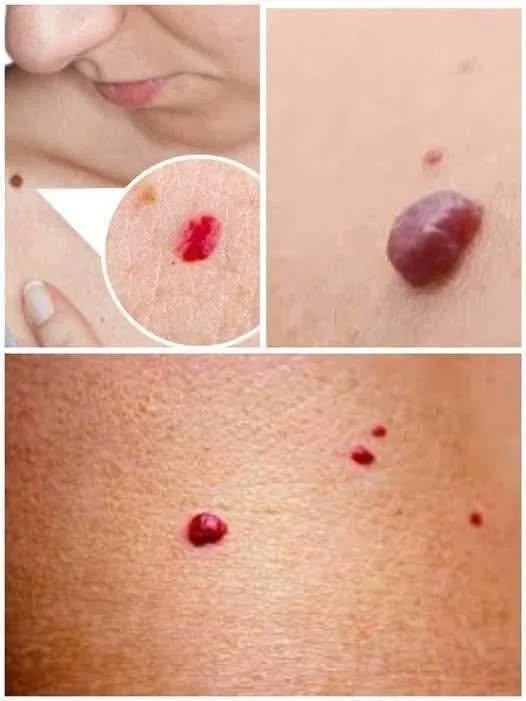
Red Dots on Your Skin: Causes and What They Could Mean
Noticed red dots on your skin? Learn the most common causes, what they could mean, when to worry, and when to see a doctor.
Introduction
Red dots on the skin are a common concern and can appear suddenly or develop over time. While many red spots are harmless, others may signal underlying health issues that require attention. Understanding what causes red dots on your skin can help you determine whether they are benign or need medical evaluation.
In this article, we’ll explore the most common causes of red dots, what they may indicate, and when it’s important to see a healthcare professional.
Important note: Skin changes should never be self-diagnosed. Persistent, spreading, or painful red dots should always be evaluated by a medical professional.
Common Causes of Red Dots on the Skin
1. Cherry Angiomas (Red Moles)
What they look like:
-
Small, bright red or purple dots
-
Smooth and slightly raised
-
Common on the chest, arms, and back
What they mean:
Cherry angiomas are benign growths of blood vessels. They are extremely common, especially after age 30, and usually harmless.
When to worry:
If they bleed frequently, change rapidly, or appear suddenly in large numbers.
2. Petechiae
What they look like:
-
Tiny red, purple, or brown dots
-
Flat and do not blanch (fade) when pressed
What they mean:
Petechiae are caused by broken capillaries under the skin. They may result from:
-
Straining (coughing, vomiting)
-
Injury
-
Certain medications
-
Infections or blood disorders
When to worry:
If petechiae appear suddenly without injury, spread rapidly, or are accompanied by fever or fatigue.
3. Purpura
What they look like:
-
Larger red or purple patches
-
May resemble bruises
What they mean:
Purpura occurs when blood leaks from small vessels. Causes include:
-
Aging skin
-
Blood clotting disorders
-
Medications (blood thinners)
-
Inflammatory conditions
When to worry:
If purpura occurs frequently or without trauma.
4. Heat Rash (Miliaria)
What they look like:
-
Small red dots or bumps
-
Often itchy or prickly
What they mean:
Heat rash develops when sweat becomes trapped in pores, common in hot or humid conditions.
When to worry:
Usually harmless and resolves with cooling and proper skin care.
5. Allergic Reactions
What they look like:
-
Red spots or bumps
-
May itch, swell, or spread
What they mean:
Allergic reactions can be triggered by:
-
Foods
-
Medications
-
Skincare products
-
Insect bites
When to worry:
If accompanied by swelling of the face, lips, or difficulty breathing—seek emergency care.
6. Folliculitis
What they look like:
-
Small red dots or pimples around hair follicles
-
May contain pus
What they mean:
Folliculitis is inflammation or infection of hair follicles caused by bacteria, fungi, or irritation.
When to worry:
If lesions are painful, spreading, or recurring frequently.
7. Skin Infections
Examples include:
-
Fungal infections
-
Viral rashes
-
Bacterial infections
What they look like:
-
Red spots that may ooze, crust, or scale
When to worry:
If accompanied by fever, pain, or rapid spread.
8. Insect Bites
What they look like:
-
Red raised dots
-
Often itchy or inflamed
What they mean:
Common bites from mosquitoes, fleas, or bed bugs can leave red spots.
When to worry:
If signs of infection or allergic reaction appear.
9. Vasculitis
What it is:
Inflammation of blood vessels.
What it looks like:
-
Red or purple dots or patches
-
May be painful
When to worry:
Always requires medical evaluation, especially if systemic symptoms occur.
10. Skin Cancer (Rare but Serious)
What to watch for:
-
Red spots that bleed, crust, or do not heal
-
Rapid changes in size, color, or texture
Types associated with red lesions:
-
Basal cell carcinoma
-
Squamous cell carcinoma
When to worry:
Any persistent lesion lasting more than a few weeks should be examined.
When Should You See a Doctor?
Seek medical advice if red dots:
-
Appear suddenly and spread quickly
-
Are painful or itchy
-
Do not fade over time
-
Bleed without cause
-
Are accompanied by fever, fatigue, or weight loss
How Are Red Dots Diagnosed?
A healthcare provider may:
-
Perform a physical examination
-
Review medical history
-
Order blood tests
-
Perform a skin biopsy (if needed)
Can Red Dots Be Prevented?
Some preventive measures include:
-
Protecting skin from excessive sun exposure
-
Managing allergies
-
Maintaining good hygiene
-
Staying hydrated
-
Avoiding known irritants
Final Thoughts
Red dots on the skin can range from harmless conditions like cherry angiomas to signs of infection or systemic disease. Paying attention to appearance, duration, and associated symptoms is key to understanding what they may mean.
When in doubt, it’s always safer to consult a healthcare professional.
Disclaimer
This article is for informational purposes only and does not replace professional medical advice. Always consult a qualified healthcare provider for diagnosis and treatment.