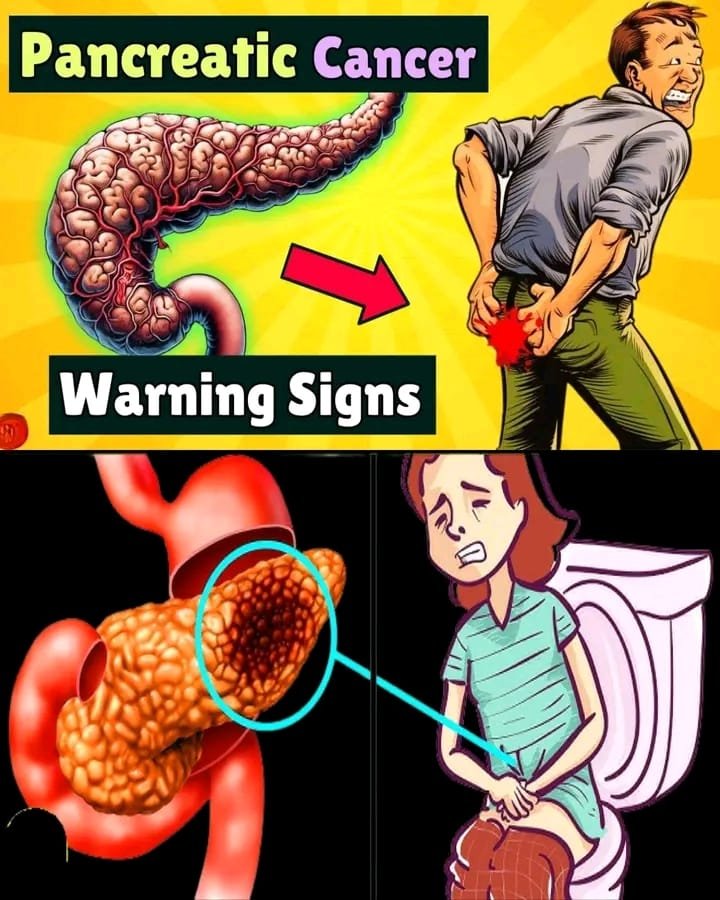
15 Silent Signs of Pancreatic Cancer You Need to Know
Pancreatic cancer often shows subtle symptoms. Learn 15 silent warning signs, why they’re overlooked, and when to seek medical attention.
Introduction: Why Pancreatic Cancer Is Often Missed
Pancreatic cancer is one of the most challenging cancers to detect early. Unlike many other conditions, it rarely causes obvious symptoms in its initial stages. When signs do appear, they are often vague, mild, or mistaken for common digestive or lifestyle issues.
This is why pancreatic cancer is frequently diagnosed at an advanced stage. According to global cancer research data, early detection significantly improves treatment options and outcomes—but awareness is the biggest barrier.
In this comprehensive guide, you’ll learn 15 silent signs of pancreatic cancer, why they happen, and how to recognize when something isn’t right. This article is designed to inform—not alarm—so you can take proactive steps toward protecting your health.
Understanding Pancreatic Cancer (In Simple Terms)
The pancreas is a vital organ located behind the stomach. It plays a key role in:
-
Regulating blood sugar (insulin production)
-
Aiding digestion (digestive enzymes)
Pancreatic cancer occurs when abnormal cells grow uncontrollably in this organ. Because of the pancreas’s deep location in the abdomen, tumors can grow for a long time before causing noticeable problems.
Why Pancreatic Cancer Symptoms Are Often Silent
Several factors make early detection difficult:
-
The pancreas is hidden deep in the body
-
Early tumors rarely cause pain
-
Symptoms mimic common conditions
-
Many signs develop gradually
As a result, people may ignore symptoms for months or even years.
15 Silent Signs of Pancreatic Cancer
1. Unexplained Weight Loss
Sudden or gradual weight loss without changes in diet or exercise can be an early warning sign.
Why It Happens
-
Poor digestion due to enzyme disruption
-
Reduced appetite
-
Increased energy use by cancer cells
Unintentional weight loss should always be evaluated.
2. Persistent Fatigue
Feeling constantly tired—even after adequate rest—can be an early but overlooked symptom.
What Makes It Different
-
Fatigue doesn’t improve with sleep
-
Daily activities feel unusually exhausting
-
Mental fog or weakness
This type of fatigue is often dismissed as stress.
3. Loss of Appetite
A noticeable decrease in hunger or feeling full quickly may signal digestive changes.
Possible Causes
-
Tumor pressure on nearby organs
-
Changes in digestion
-
Altered metabolism
Loss of appetite combined with weight loss is especially concerning.
4. Upper Abdominal Discomfort
Mild pain or pressure in the upper abdomen can be subtle and intermittent.
How It Feels
-
Dull ache rather than sharp pain
-
Discomfort after meals
-
Sensation of fullness
Because it’s not severe, many people ignore it.
5. Back Pain Without Clear Cause
Pain in the middle or upper back may develop as the tumor affects surrounding nerves.
Key Characteristics
-
Persistent or worsening over time
-
Not related to physical activity
-
Worse when lying down
Back pain is commonly misattributed to posture or aging.
6. Digestive Problems
Changes in digestion are common but often overlooked.
Symptoms May Include
-
Bloating
-
Gas
-
Indigestion
-
Nausea
These symptoms are frequently mistaken for dietary issues.
7. Changes in Stool Appearance
The pancreas helps digest fats, so disruption can affect bowel movements.
Possible Changes
-
Pale or greasy stools
-
Floating stools
-
Strong or unusual odor
These signs indicate fat malabsorption.
8. New-Onset Diabetes or Blood Sugar Changes
Sudden blood sugar problems, especially in older adults, can be an early sign.
Why This Happens
-
Damage to insulin-producing cells
-
Hormonal disruption
This is particularly important if diabetes appears without typical risk factors.
9. Yellowing of Skin or Eyes (Jaundice)
Jaundice is one of the more noticeable signs but may start subtly.
Early Indicators
-
Yellow tint in eyes
-
Dark urine
-
Pale stools
-
Itchy skin
This occurs when bile flow is blocked.
10. Itchy Skin Without a Rash
Persistent itching without visible skin changes can be linked to bile buildup.
Why It’s Overlooked
-
No rash or irritation
-
Comes and goes
-
Often blamed on dryness or allergies
Itching paired with jaundice is especially significant.
11. Nausea or Vomiting
Digestive obstruction or slowed stomach emptying may cause nausea.
When to Be Concerned
-
Frequent episodes
-
Occurs after eating
-
Accompanied by pain or weight loss
Occasional nausea is common, but persistent symptoms are not.
12. Feeling Full Quickly
Early satiety—feeling full after small meals—can indicate digestive interference.
Possible Reasons
-
Tumor pressure on stomach
-
Reduced enzyme production
This can contribute to unintended weight loss.
13. Depression or Mood Changes
Unexpected emotional changes may be linked to biological effects of cancer.
What’s Notable
-
Depression without clear cause
-
Loss of interest in usual activities
-
Persistent low mood
Mood changes sometimes appear before physical symptoms.
14. Blood Clots
Unexplained blood clots, especially in the legs, can be an early warning sign.
Why This Happens
-
Cancer increases clotting risk
-
Changes in blood chemistry
Sudden swelling or pain in a limb requires immediate attention.
15. General Feeling That Something Isn’t Right
Many patients report a vague sense of unease or declining health before diagnosis.
Trust Your Instincts
-
Persistent discomfort
-
Subtle but worsening symptoms
-
Overall decline in well-being
Listening to your body can make a difference.
Summary Table: Silent Signs and Possible Causes
| Symptom | Possible Reason |
|---|---|
| Weight loss | Poor digestion |
| Fatigue | Metabolic changes |
| Appetite loss | Digestive disruption |
| Abdominal discomfort | Organ pressure |
| Back pain | Nerve involvement |
| Stool changes | Enzyme deficiency |
| Jaundice | Bile blockage |
| Itching | Bile buildup |
| Blood sugar changes | Insulin disruption |
| Blood clots | Increased clotting risk |
When Should You See a Doctor?
Seek medical advice if:
-
Symptoms persist longer than a few weeks
-
Multiple symptoms occur together
-
There is unexplained weight loss
-
You have risk factors such as smoking, family history, or chronic pancreatitis
Early evaluation can save lives.
Common Mistakes People Make
-
Ignoring mild symptoms
-
Self-diagnosing digestive issues
-
Assuming fatigue is normal
-
Delaying medical visits
Early action matters.
Pros and Cons of Early Detection
Pros
-
More treatment options
-
Better quality of life
-
Improved survival rates
-
Less aggressive interventions
Cons
-
Emotional stress
-
Complex testing
Despite challenges, early detection offers the best chance for positive outcomes.
Practical Steps to Protect Your Health
-
Pay attention to unexplained changes
-
Maintain regular health checkups
-
Manage blood sugar levels
-
Avoid smoking
-
Maintain a balanced diet
Awareness is a powerful prevention tool.
Frequently Asked Questions
1. Are early symptoms always noticeable?
No, many symptoms are subtle or mistaken for common issues.
2. Does everyone with pancreatic cancer develop jaundice?
No, especially in early stages.
3. Can digestive symptoms be the only sign?
Yes, particularly in the beginning.
4. Is pancreatic cancer always painful?
No, pain often appears later.
5. Can lifestyle reduce risk?
Yes, healthy habits may lower risk.
6. Is sudden diabetes a red flag?
It can be, especially without risk factors.
7. How fast does pancreatic cancer progress?
It varies by individual and cancer type.
8. Should mild symptoms be checked?
Yes, especially if persistent.
9. Can blood tests detect it early?
Sometimes, but imaging is often required.
Trusted Health Information Sources
-
World Health Organization
-
National Cancer Institute
-
American Cancer Society
-
Mayo Clinic
-
Wikipedia (medical reference)
Conclusion: Awareness Can Make the Difference
Pancreatic cancer doesn’t always announce itself loudly. Its early signs are often quiet, subtle, and easy to ignore. Understanding these warning signals empowers you to act sooner rather than later.
If something feels off and doesn’t improve, trust your instincts and seek medical advice. Early awareness can change outcomes—and sometimes, save lives.
Call to Action
If this article helped you understand the silent warning signs, share it with loved ones, leave a comment, and continue learning about preventive health. Awareness starts with one conversation—let it begin today.