White Stones in Your Mouth: Causes, Symptoms, and How to Get Rid of Them
Discover the causes of white stones in the mouth, why they cause bad breath, and effective ways to prevent and remove tonsil stones safely.
Introduction
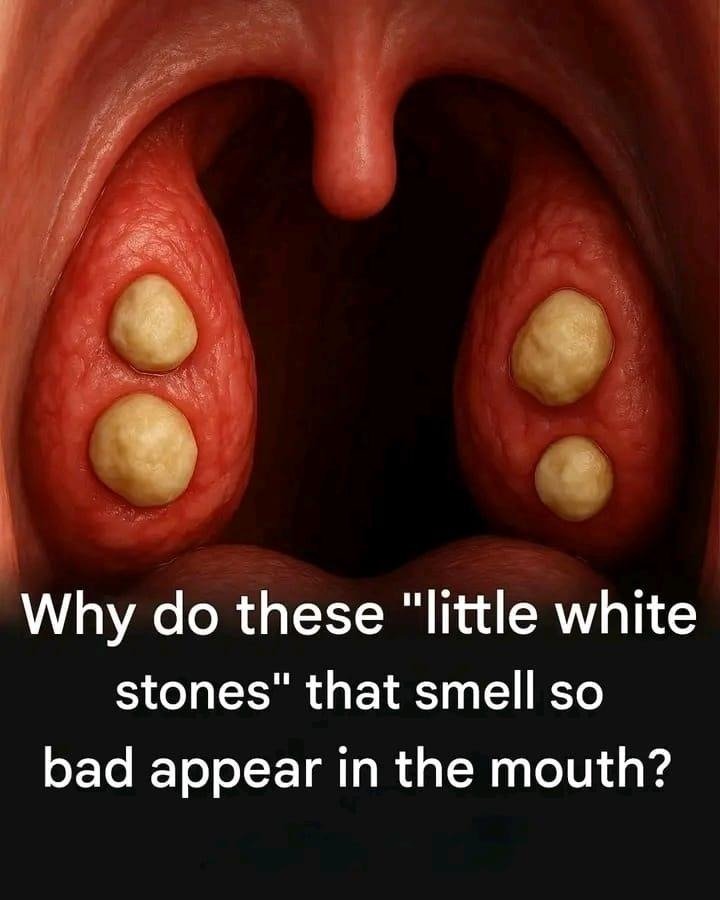
Have you ever noticed small white or yellow lumps at the back of your throat, often accompanied by bad breath? These are most likely tonsil stones, also called tonsilloliths.
While generally harmless, tonsil stones can be uncomfortable, cause chronic bad breath, and make you self-conscious. Understanding what they are, why they form, and how to manage them can help you maintain better oral and throat health.
What Are Tonsil Stones?
Tonsil stones are small, calcified formations that develop in the tonsillar crypts, the tiny pockets on the surface of the tonsils.
They form when:
-
Food particles
-
Dead cells
-
Mucus
-
Bacteria
accumulate and harden over time.
Tonsil stones can range in size from tiny grains to pea-sized lumps and may be visible as white or yellowish specks in the throat.
Why Tonsil Stones Cause Bad Breath
The primary culprit behind the unpleasant odor is sulfur-producing bacteria that thrive in tonsil stones.
These bacteria release volatile sulfur compounds (VSCs), which are responsible for:
-
Chronic bad breath (halitosis)
-
Unpleasant metallic taste
-
Lingering mouth odor even after brushing
Even small tonsil stones can cause significant bad breath because of these compounds.
Common Symptoms of Tonsil Stones
You might have tonsil stones if you notice:
-
Persistent bad breath
-
White or yellow lumps on the tonsils
-
Sore or scratchy throat
-
Feeling like something is stuck in your throat
-
Ear pain (referred from throat)
-
Metallic or bitter taste in the mouth
Many people, however, may have tonsil stones without noticeable symptoms.
Causes of Tonsil Stones
Tonsil stones are more common in people with:
-
Deep or creased tonsils
-
Frequent tonsillitis or throat infections
-
Chronic sinus issues or postnasal drip
-
Mouth breathing
-
Poor oral hygiene
They are not contagious and are usually harmless.
Are Tonsil Stones Dangerous?
For most people, tonsil stones are harmless, though they can cause discomfort and bad breath.
See a doctor if you experience:
-
Large or painful stones
-
Frequent infections
-
Difficulty swallowing
-
Recurrent stones despite good hygiene
How to Remove Tonsil Stones Safely
1. At-Home Methods
-
Gargling with warm salt water
-
Gently using a cotton swab to dislodge stones
-
Using a water flosser on low pressure
-
Maintaining excellent oral hygiene
2. Medical Options
-
Prescription antimicrobial mouth rinses
-
Treating chronic tonsillitis or sinus infections
-
Tonsillectomy (rare, for severe cases)
Avoid using sharp objects or excessive force—this can cause bleeding or infection.
How to Prevent Tonsil Stones
-
Brush teeth and tongue twice daily
-
Floss regularly
-
Gargle after meals
-
Stay hydrated to prevent dry mouth
-
Manage sinus or allergy issues
-
Avoid smoking
Regular oral care reduces the buildup of debris in tonsillar crypts.
When to See a Doctor
Seek medical advice if you experience:
-
Severe throat pain
-
Fever or swelling
-
Persistent tonsil stones
-
Difficulty breathing or swallowing
Early evaluation can prevent complications and rule out other conditions.
White stones in the mouth are almost always tonsil stones, a common cause of chronic bad breath. While usually harmless, they can be uncomfortable and persistent.
With proper oral hygiene, gentle removal, and preventive habits, most people can manage or prevent tonsil stones effectively.
Remember: If you notice large, painful, or recurrent stones, or other concerning symptoms, consult a healthcare professional.
Disclaimer
This article is for educational purposes only and does not replace professional medical advice. Always consult a qualified healthcare provider for diagnosis and treatment.