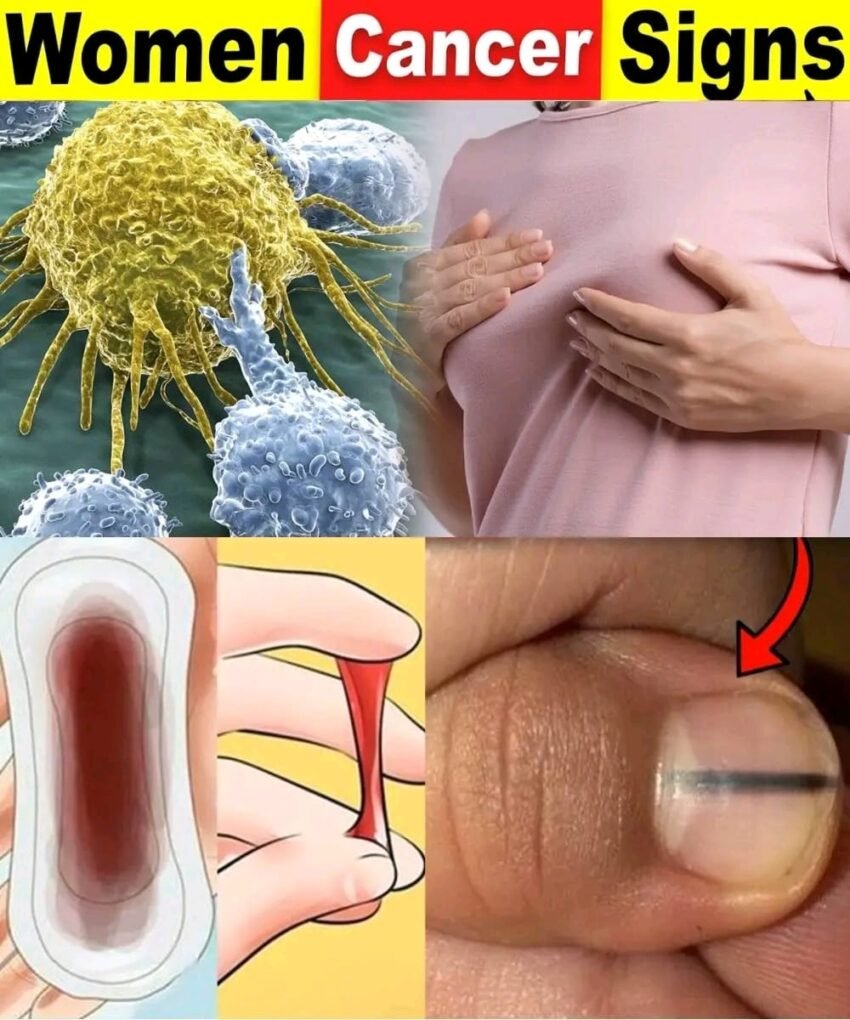
14 Visible Signs of Cancer Most Women Ignore (And Why Early Attention Matters)
Many cancers are treatable—especially when detected early. Yet, countless women delay seeking medical advice because early warning signs are often subtle, painless, or easily mistaken for stress, hormonal changes, or aging.
This article is educational, not diagnostic. Having one or more of these signs does not mean you have cancer. However, recognizing changes in your body and acting early can make a life-saving difference.
Why Early Cancer Signs Are Often Ignored in Women
Women frequently:
-
Put family and work before their own health
-
Normalize symptoms as “just hormones” or “stress”
-
Avoid checkups due to fear or time constraints
According to global cancer research organizations, early-stage cancers often show visible or physical changes before serious symptoms appear.
1. Unexplained Weight Loss
What to Watch For
-
Losing 5–10% of body weight without trying
-
No change in diet or physical activity
Why It Matters
Unintentional weight loss can be linked to cancers affecting metabolism, digestion, or appetite regulation.
2. Persistent Fatigue That Doesn’t Improve With Rest
What’s Different From Normal Tiredness
-
Lasts for weeks or months
-
Interferes with daily activities
-
Doesn’t improve after sleep or rest
Fatigue related to illness often feels deep and constant, not just “busy tired.”
3. Changes in Breast Appearance (Not Just Lumps)
Often Ignored Signs
-
Skin dimpling or puckering
-
Redness or warmth
-
Nipple inversion or discharge
-
Change in size or shape
Not all breast cancers cause noticeable lumps—visual changes matter.
4. Unusual Bleeding or Discharge
Includes:
-
Bleeding between periods
-
Bleeding after menopause
-
Unusual vaginal discharge
These changes are often dismissed as hormonal but should always be evaluated.
5. Persistent Bloating or Abdominal Swelling
Red Flags
-
Bloating that lasts more than 2–3 weeks
-
Feeling full quickly after eating
This is commonly mistaken for digestive issues or PMS.
6. Skin Changes That Don’t Heal
Look Out For
-
Sores that don’t heal
-
New moles or changes in existing moles
-
Darkening, yellowing, or unexplained rashes
Skin is often the first place the body shows internal issues.
7. Chronic Pain With No Clear Cause
Includes:
-
Pelvic pain
-
Back pain
-
Bone pain
Pain that persists without injury or explanation deserves attention.
8. Changes in Bowel Habits
Warning Patterns
-
Ongoing constipation or diarrhea
-
Narrow stools
-
Blood in stool
Many women blame diet or stress—but persistent changes should be checked.
9. Difficulty Swallowing or Persistent Indigestion
When It’s Concerning
-
Trouble swallowing solid foods
-
Ongoing heartburn not relieved by treatment
Occasional indigestion is common; persistent symptoms are not.
10. Unexplained Lumps or Swelling
Commonly Overlooked Areas
-
Neck
-
Armpits
-
Groin
Lymph node changes can sometimes signal infection—but persistent swelling needs evaluation.
11. Shortness of Breath or Chronic Cough
Especially Concerning If:
-
There’s no infection
-
It lasts more than 3 weeks
-
There’s blood when coughing
These symptoms are often mistaken for allergies or asthma.
12. Hoarseness or Voice Changes
Red Flags
-
Hoarseness lasting over 2–3 weeks
-
No cold or infection present
Voice changes can reflect irritation or pressure in the throat or chest.
13. Frequent Infections or Slow Healing
Possible Signs
-
Getting sick often
-
Cuts or wounds that heal slowly
This may reflect immune system changes.
14. Changes in Urination
Includes:
-
Pain when urinating
-
Blood in urine
-
Increased urgency or frequency
Often dismissed as UTIs—but recurring or persistent symptoms require further testing.
Why These Signs Are Easy to Miss
-
They often come and go
-
They don’t always cause pain
-
They mimic common conditions
Cancer rarely announces itself dramatically in early stages.
When Should You See a Doctor?
Seek medical advice if:
-
A symptom lasts longer than 2–3 weeks
-
Symptoms worsen over time
-
Something feels “not normal” for your body
Trust your instincts—you know your body best.
Common Myths That Delay Diagnosis
❌ “I’m too young to worry about cancer”
❌ “If it’s not painful, it’s not serious”
❌ “I’ll wait until it gets worse”
✔ Truth: Early-stage cancer often causes minimal discomfort
What You Can Do Today
-
Schedule regular health checkups
-
Perform routine self-exams
-
Track unusual symptoms
-
Don’t dismiss persistent changes
-
Ask questions and seek second opinions if needed
Early action saves lives.
Frequently Asked Questions
1. Do visible signs always mean cancer?
No. Many conditions are non-cancerous—but only a medical evaluation can determine the cause.
2. How long should I wait before seeing a doctor?
If a symptom lasts more than 2–3 weeks, seek medical advice.
3. Can young women get cancer?
Yes. While risk increases with age, cancer can occur at any age.
4. Are these signs different from men’s symptoms?
Some overlap, but hormonal and reproductive factors make certain signs more relevant to women.
5. Does stress cause these symptoms?
Stress can mimic symptoms, but it should not be used to dismiss persistent changes.
6. Are regular screenings really necessary?
Yes. Many cancers are detected before symptoms appear through screenings.
7. Should I panic if I notice one sign?
No. Stay calm, informed, and proactive.
8. Can lifestyle changes reduce cancer risk?
Yes—diet, exercise, avoiding smoking, and regular checkups all help.
Final Thoughts: Awareness Is Not Fear
This article isn’t about alarm—it’s about empowerment. Paying attention to your body doesn’t make you anxious; it makes you informed.
Early detection dramatically improves outcomes. Ignoring symptoms doesn’t make them disappear—but addressing them early can change everything.
Take Action
-
Share this article with women you care about
-
Schedule a checkup if something feels off
-
Prioritize your health without guilt
Your body speaks—listening could save your life.