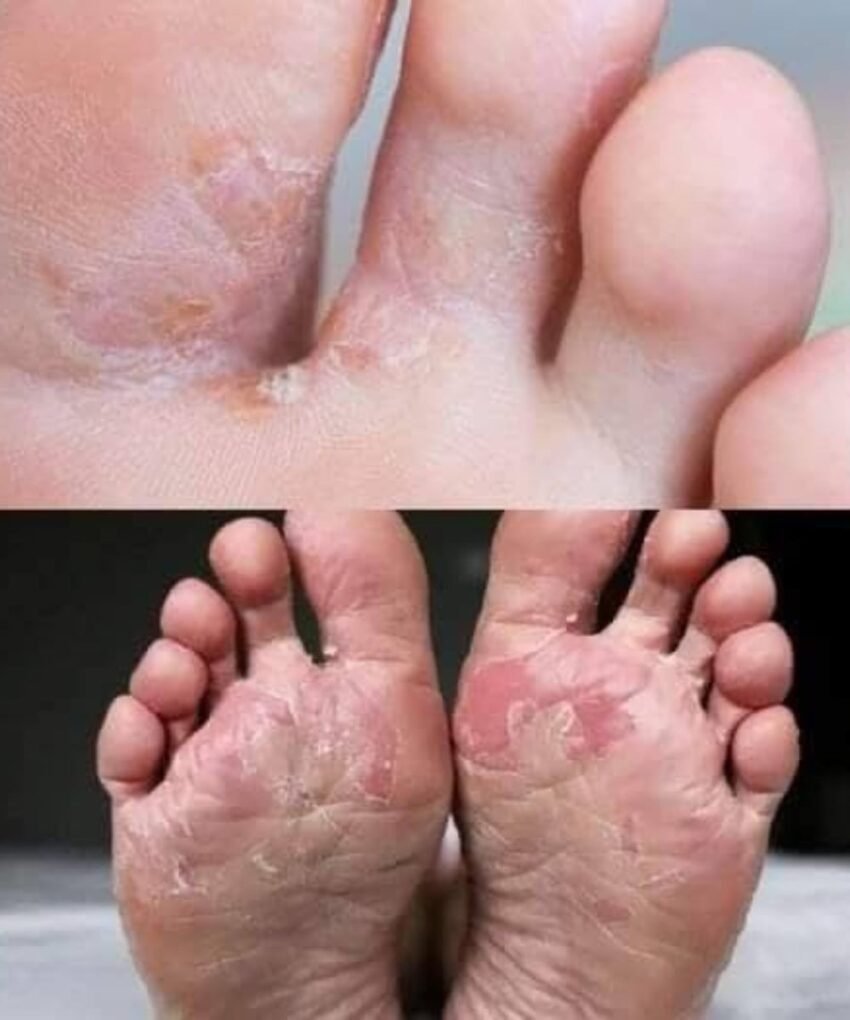
ATTENTION: If You Have This on Your Feet, It Could Be a Hidden Sign of Diabetes
Your feet can reveal a lot about your overall health, and in some cases, subtle changes are early warning signs of diabetes. People often ignore these signs until they become severe, but early detection can prevent serious complications like nerve damage, infections, or even amputation.
Here’s what every adult should know about foot symptoms that may indicate hidden diabetes.
Common Foot Signs of Hidden Diabetes
1. Tingling, Numbness, or Burning Sensation
-
Known as diabetic neuropathy, this occurs due to nerve damage from high blood sugar.
-
Often starts in the toes or soles and can progress upward.
-
Can feel like pins and needles, burning, or a loss of sensation.
⚠️ Warning: Numbness can lead to unnoticed injuries, increasing infection risk.
2. Slow-Healing Cuts or Sores
-
Even minor cuts, blisters, or cracks may take longer to heal.
-
High glucose levels can impair immune function and reduce blood flow.
-
If a sore persists more than 1–2 weeks, it warrants medical attention.
3. Dry, Cracked, or Scaly Skin
-
Diabetes can reduce sweat gland activity, causing dry skin on the feet.
-
Cracks, especially on the heels, can allow bacteria to enter, increasing infection risk.
Tip: Moisturize daily but avoid between the toes, as excess moisture can promote fungal growth.
4. Changes in Skin Color
-
Red, blue, or dark patches may indicate poor circulation or infection.
-
Sometimes, a pale or shiny appearance signals decreased blood flow due to diabetes-related vascular issues.
5. Fungal Infections
-
Diabetes increases the risk of athlete’s foot and toenail fungus.
-
Symptoms include itching, peeling, yellowing, or thickened nails.
6. Swelling in the Feet and Ankles
-
High blood sugar can affect kidney function and circulation, leading to fluid retention.
-
Swelling is often a sign that blood isn’t moving efficiently or that the body is retaining fluids.
7. Foot Deformities
-
Conditions like bunions, hammertoes, or claw toes may appear or worsen due to nerve damage or muscle weakness from diabetes.
-
These deformities can increase pressure points, leading to sores and infections.
8. Pain or Cramps in the Feet
-
Poor circulation or nerve damage can cause restless legs, cramps, or throbbing pain.
-
Pain may appear at night or after minimal activity.
Why Early Detection Matters
-
Diabetes-related foot problems are preventable with early care.
-
Complications include:
-
Ulcers
-
Infections
-
Gangrene
-
Amputation (in severe cases)
-
-
Regular foot checks and early treatment can save your mobility and quality of life.
What to Do if You Notice These Signs
-
Check your feet daily for cuts, swelling, or color changes.
-
See a doctor or podiatrist if symptoms persist or worsen.
-
Maintain blood sugar levels through diet, exercise, and medication.
-
Wear proper footwear to avoid pressure sores and injuries.
-
Moisturize regularly but avoid between toes to prevent fungal infections.
Lifestyle Tips to Protect Your Feet
-
Exercise regularly to improve circulation.
-
Eat a balanced diet to manage blood sugar levels.
-
Quit smoking, which worsens circulation.
-
Trim nails carefully and avoid cutting cuticles aggressively.
Takeaway
Your feet can act as an early warning system for hidden diabetes. Tingling, numbness, slow-healing wounds, dry skin, or color changes should never be ignored.
Early detection and proactive care can prevent serious complications and keep you mobile for years to come.