Sciatica and Spinal Stenosis: Understanding Two Overlooked Yet Disabling Conditions
Back pain is one of the most common health complaints worldwide. Among the many causes, sciatica and spinal stenosis are two conditions that are often overlooked yet can significantly impact daily life. Understanding their causes, symptoms, and treatment options can help sufferers regain mobility and improve quality of life.
What Is Sciatica?
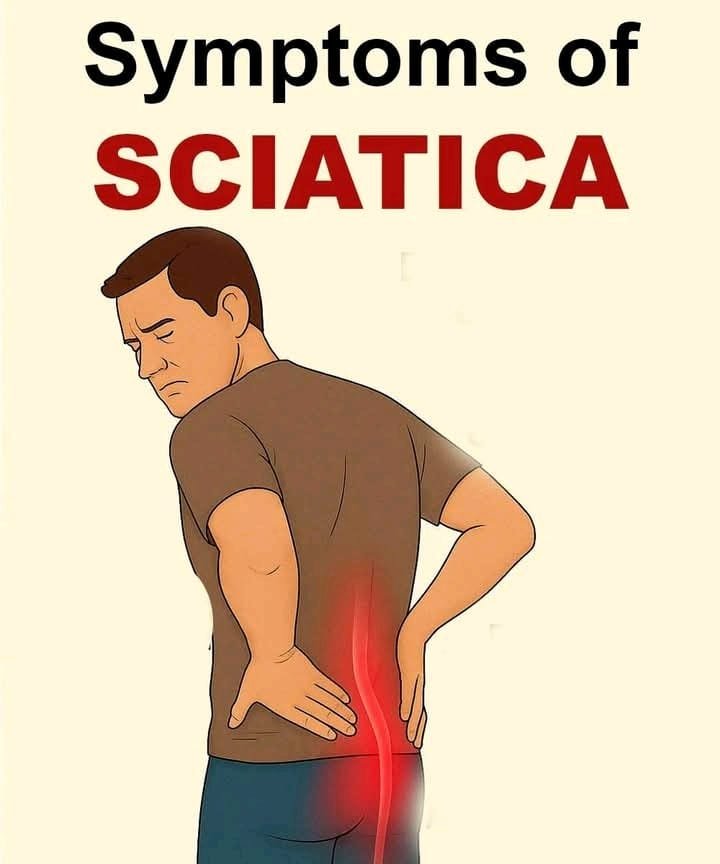
Sciatica is pain that radiates along the sciatic nerve, which runs from the lower back down through the hips, buttocks, and legs. It is not a disease itself but a symptom of an underlying spinal issue.
Common Causes of Sciatica:
-
Herniated or bulging discs: Press on the sciatic nerve roots.
-
Spinal stenosis: Narrowing of the spinal canal can compress nerves.
-
Piriformis syndrome: The piriformis muscle irritates the sciatic nerve.
-
Trauma or spinal injuries
Symptoms of Sciatica:
-
Sharp, shooting pain from the lower back to the leg
-
Numbness or tingling in the leg or foot
-
Weakness in the affected leg
-
Pain that worsens with sitting, coughing, or sneezing
Sciatica usually affects one side of the body and can range from mild discomfort to debilitating pain.
What Is Spinal Stenosis?
Spinal stenosis occurs when the spaces in the spine narrow, putting pressure on the spinal cord and nerves. It often develops gradually and is more common in older adults.
Causes of Spinal Stenosis:
-
Age-related degeneration of discs and ligaments
-
Osteoarthritis, causing bone spurs
-
Herniated discs
-
Congenital spinal defects
Symptoms of Spinal Stenosis:
-
Pain, tingling, or numbness in the back, legs, or buttocks
-
Weakness in the legs
-
Difficulty walking or maintaining balance
-
Relief when leaning forward or sitting (spinal flexion eases pressure)
Spinal stenosis can sometimes be mistaken for general back pain, leading to delayed diagnosis.
How Sciatica and Spinal Stenosis Are Connected
-
Spinal stenosis can cause sciatica when narrowing of the spinal canal compresses the sciatic nerve roots.
-
Both conditions often lead to leg pain, weakness, and mobility issues.
-
Proper diagnosis is essential because treatments may differ depending on the root cause.
Diagnosing These Conditions
A healthcare professional may use the following:
-
Physical exam: Tests reflexes, strength, and sensation
-
Imaging tests: MRI or CT scans to visualize nerve compression
-
X-rays: Identify bone spurs or structural changes
-
Electromyography (EMG): Measures nerve function
Early diagnosis can prevent worsening pain and mobility limitations.
Treatment Options
Treatment depends on severity, underlying cause, and individual health factors.
1. Conservative Treatments:
-
Physical therapy: Strengthening and stretching exercises for back and core
-
Pain management: NSAIDs, acetaminophen, or muscle relaxants
-
Heat or cold therapy: Reduces inflammation and relieves pain
-
Activity modification: Avoid prolonged sitting or standing
2. Interventional Treatments:
-
Epidural steroid injections: Reduce inflammation around compressed nerves
-
Nerve blocks: Temporary pain relief
3. Surgical Options:
-
Discectomy: Removal of herniated disc pressing on nerves
-
Laminectomy: Removes part of the vertebra to relieve pressure in spinal stenosis
-
Spinal fusion: Stabilizes the spine when severe degeneration occurs
Surgery is usually considered when conservative measures fail or severe nerve damage occurs.
Lifestyle and Home Care Tips
-
Maintain a healthy weight to reduce spinal stress
-
Exercise regularly with low-impact activities like swimming, cycling, or walking
-
Practice good posture when sitting, standing, and lifting
-
Use supportive footwear and ergonomic furniture
-
Incorporate core-strengthening exercises to stabilize the spine
Common Misconceptions
❌ Sciatica always requires surgery.
✔ Most cases improve with conservative therapy over weeks to months.
❌ Only older adults get spinal stenosis.
✔ While common in aging adults, younger people with injuries or congenital issues can also develop it.
❌ Pain-free means cured.
✔ Symptoms may fluctuate; ongoing exercise and lifestyle adjustments are key for long-term management.
When to Seek Medical Attention
-
Sudden or severe leg weakness or numbness
-
Loss of bladder or bowel control
-
Pain that progressively worsens despite home care
-
Inability to walk or maintain balance
Early intervention improves outcomes and prevents permanent nerve damage.
Takeaway
Sciatica and spinal stenosis are common but often misunderstood conditions. While they can cause significant discomfort and disability, early diagnosis, proper management, and lifestyle adjustments can greatly improve quality of life.
Key Points:
-
Sciatica = nerve pain, often caused by disc issues or stenosis
-
Spinal stenosis = narrowing of spinal canal, compressing nerves
-
Conservative care works for most cases; surgery is a last resort
-
Lifestyle, posture, and exercise play a critical role in prevention and recovery