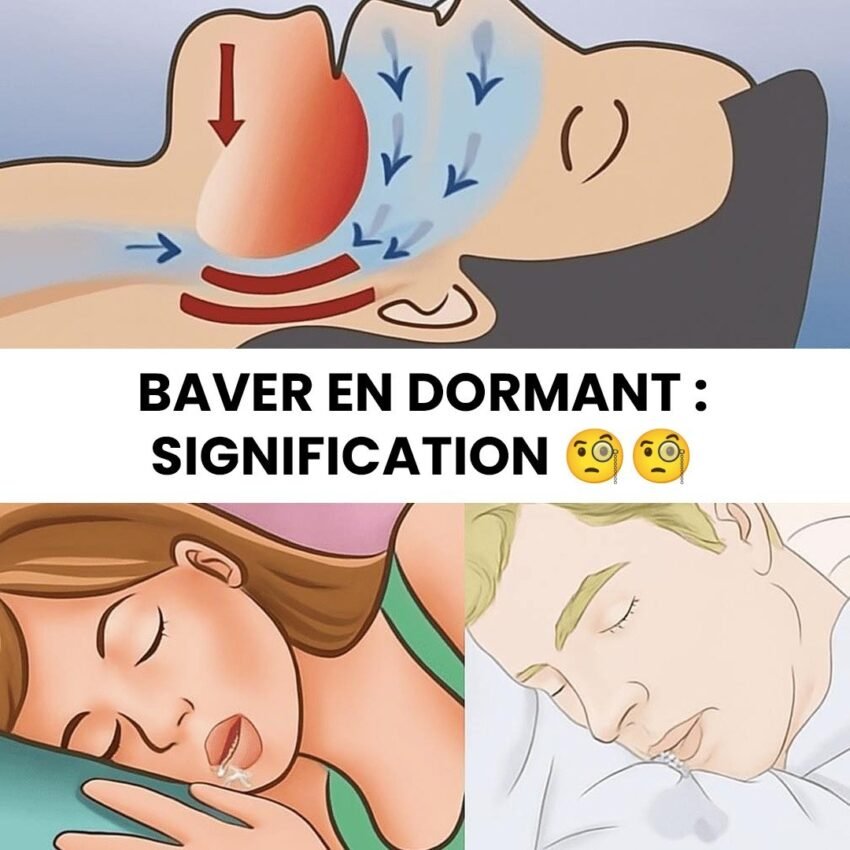
😴 Why Drooling in Your Sleep Is a Signal From Your Body: 12 Science-Backed Reasons You Shouldn’t Ignore
Drooling during sleep isn’t random. Discover what your body is signalling, the science behind it, and when it’s normal—or worth attention.
Introduction: Is Sleeping With Drool Normal—or a Hidden Message?
Waking up to a damp pillow can feel embarrassing, confusing, or even a little alarming. Many people brush it off as “just one of those things.” But here’s the truth: drooling in your sleep is often your body communicating something important.
Sometimes, it’s completely harmless. Other times, it’s your body’s subtle way of asking for attention—about your sleep position, breathing, stress levels, oral health, or even neurological function.
This guide breaks it all down in a clear, science-backed, and judgment-free way. Whether you’re a casual drooler or noticing it more frequently, you’ll walk away with clarity, practical solutions, and peace of mind.
Let’s decode what your body might be saying. 🧠💧
What Is Sleep Drooling, Really?
Sleep drooling—medically referred to as sialorrhea—happens when saliva escapes the mouth during sleep. Humans naturally produce saliva to:
-
Aid digestion
-
Protect teeth and gums
-
Neutralize acids
-
Support swallowing and speech
During sleep, swallowing reflexes slow down. If saliva production stays the same—or increases—while swallowing decreases, drooling can happen.
Key point: Drooling itself isn’t a disease. It’s a signal.
The Science Behind Saliva and Sleep
To understand why drooling happens, it helps to know what changes when you fall asleep.
During Sleep:
-
Muscle tone relaxes (including jaw and facial muscles)
-
Swallowing frequency drops significantly
-
Breathing patterns shift
-
Hormonal activity changes
If saliva accumulates faster than your body clears it, gravity does the rest.
12 Signals Your Body May Be Sending When You Drool in Your Sleep
1. Your Sleep Position Is Working Against You
Most common cause.
Side and stomach sleepers are more likely to drool because gravity allows saliva to escape from a relaxed mouth.
What it signals:
Your body is deeply relaxed—or positioned in a way that encourages saliva flow outward.
Good news:
This is usually harmless.
2. You’re Experiencing Deep, Restorative Sleep
Ironically, drooling can be a sign of excellent sleep quality.
When you enter deep sleep:
-
Muscle control decreases
-
Swallowing reflexes pause
-
The body focuses on recovery
What it signals:
Your nervous system feels safe enough to fully “power down.”
3. Nasal Congestion or Blocked Airways
If your nose is blocked, your body switches to mouth breathing.
Common causes include:
-
Allergies
-
Sinus infections
-
Deviated septum
-
Dry air
What it signals:
Your body is prioritizing oxygen intake—even if it means drooling.
4. Mouth Breathing During Sleep
Chronic mouth breathing dries the oral cavity and alters saliva control.
Possible reasons:
-
Poor nasal airflow
-
Habitual breathing patterns
-
Jaw structure
What it signals:
Your breathing mechanics may need attention.
5. Acid Reflux or Silent GERD
Acid reflux doesn’t always cause heartburn. Sometimes it triggers increased saliva production—a protective response called water brash.
Signs to watch for:
-
Morning sore throat
-
Bitter taste
-
Chronic cough
What it signals:
Your body may be trying to neutralize stomach acid.
6. Stress and Nervous System Imbalance
High stress affects digestion, muscle tone, and saliva production.
When stressed:
-
Parasympathetic activity shifts
-
Muscle coordination weakens
-
Sleep becomes fragmented
What it signals:
Your body may be struggling to fully regulate itself at night.
7. Dehydration or Dry Mouth Compensation
Counterintuitive but true.
When dehydrated:
-
Saliva consistency changes
-
Glands may overcompensate at night
What it signals:
Your body might need better hydration balance.
8. Certain Medications
Some medications alter saliva production or muscle tone.
Common examples:
-
Antidepressants
-
Sleep aids
-
Antipsychotics
-
Allergy medications
What it signals:
A side effect—not necessarily a problem, but worth noting.
9. Oral or Dental Issues
Misaligned teeth, jaw tension, or ill-fitting dental devices can affect mouth closure during sleep.
What it signals:
Your oral mechanics may need adjustment.
10. Hormonal Changes
Hormones influence fluid balance and muscle tone.
Periods of change include:
-
Pregnancy
-
Menopause
-
Puberty
What it signals:
Your body chemistry is shifting.
11. Neurological Factors (Rare but Important)
In rare cases, drooling can be linked to neurological conditions that affect muscle control or swallowing.
Important note:
Occasional drooling alone is not a warning sign. Concern arises only when paired with symptoms like:
-
Slurred speech
-
Muscle weakness
-
Difficulty swallowing
12. Your Body’s Natural Variability
Sometimes, there’s no deeper issue.
Human bodies are dynamic, imperfect systems. Drooling can simply be a temporary phase.
Is Drooling in Your Sleep Bad for You?
✅ Pros
-
Can indicate deep sleep
-
May reflect healthy saliva production
-
Often harmless and temporary
❌ Cons
-
Skin irritation around mouth
-
Dehydration sensations
-
Sleep discomfort or embarrassment
-
Possible sign of breathing or reflux issues
Common Mistakes People Make About Sleep Drooling
-
Assuming it always means illness
-
Ignoring persistent patterns
-
Overusing mouth tape or devices without guidance
-
Neglecting nasal health
Awareness—not panic—is key.
How to Reduce Drooling in Your Sleep (Step-by-Step)
Step 1: Adjust Sleep Position
-
Try elevating your head slightly
-
Experiment with back sleeping using supportive pillows
Step 2: Improve Nasal Breathing
-
Use saline sprays
-
Keep bedroom air humidified
-
Address allergies proactively
Step 3: Stay Hydrated (But Smartly)
-
Drink water consistently throughout the day
-
Avoid excessive fluids right before bed
Step 4: Manage Stress
-
Evening wind-down routines
-
Breathing exercises
-
Limiting screens before sleep
Step 5: Review Medications
-
Note changes after starting new prescriptions
-
Consult professionals if patterns persist
Latest Research and Future Trends
Recent sleep science emphasizes:
-
Personalized sleep posture optimization
-
Wearable sleep diagnostics
-
AI-assisted breathing analysis
-
Increased focus on nasal airflow health
Institutions like major sleep research centers and academic journals continue exploring saliva regulation during sleep stages, highlighting its role as a biomarker of rest quality.
Frequently Asked Questions (People Also Ask)
1. Is it normal to drool every night?
Yes, especially if you sleep on your side or breathe through your mouth.
2. Can drooling mean I’m sleeping deeply?
Absolutely. Deep sleep reduces swallowing reflexes.
3. Does drooling mean I have sleep apnea?
Not necessarily. It can coexist, but drooling alone is not diagnostic.
4. Can dehydration cause drooling?
Indirectly, yes—through changes in saliva consistency.
5. Is sleep drooling linked to acid reflux?
It can be, especially in silent reflux cases.
6. Should adults be concerned about drooling?
Only if it’s new, excessive, or paired with other symptoms.
7. Can changing pillows help?
Yes. Neck and head alignment can reduce mouth opening.
8. Does mouth breathing always cause drooling?
Often, but not always. It increases the likelihood.
9. Is drooling linked to oral health?
Sometimes. Jaw alignment and dental issues can play a role.
10. When should I seek professional advice?
If drooling is sudden, worsening, or paired with neurological symptoms.
Final Thoughts: Listen to the Signals, Not the Stigma
Drooling in your sleep isn’t something to be embarrassed about—it’s your body communicating in its own quiet language.
Sometimes it says, “I’m deeply relaxed.”
Other times, it whispers, “Pay attention to how you’re breathing or sleeping.”
The key isn’t fear—it’s awareness.