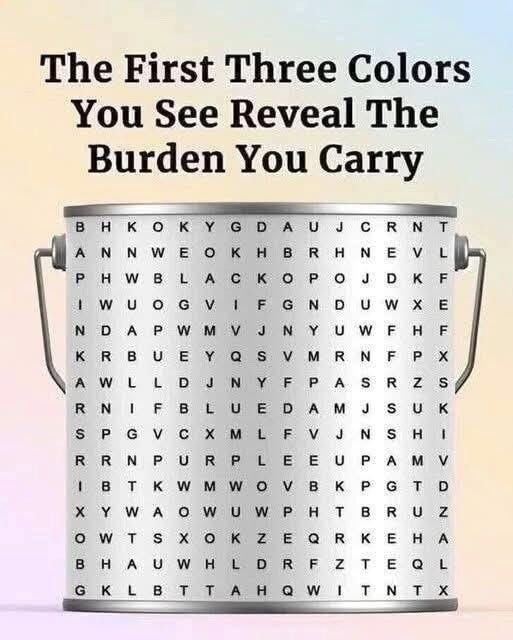
More Than Preference: How Colors Reflect Your Mood and Mind
Why do you reach for black on some days and bright yellow on others? Why does a blue room feel calming, while red can feel intense—even overwhelming?
Color choices are often dismissed as personal taste, but research in psychology and neuroscience suggests something deeper.
Colors don’t just decorate our lives—they quietly reflect our emotional state, mental patterns, and even how we process the world.
This article explores how colors connect to mood and mindset, what your preferences may reveal, and why these connections matter more than most people realize.
The Psychology Behind Color Perception
Color perception begins in the eyes, but its impact is processed in the brain—specifically in areas linked to emotion, memory, and behavior.
Scientists have found that colors can:
-
Influence emotional responses
-
Affect heart rate and blood pressure
-
Shape attention and decision-making
-
Trigger learned emotional associations
That’s why colors are used intentionally in therapy spaces, branding, hospitals, and even classrooms.
Color Preference vs. Emotional Reflection
It’s important to distinguish between:
-
Long-term color preference (personality and identity)
-
Short-term color attraction (current emotional or mental state)
What you consistently love may reflect who you are.
What you suddenly gravitate toward may reflect how you’re feeling right now.
What Different Colors Often Reflect About Mood and Mind
Blue: Calm, Reflection, Mental Clarity
Blue is commonly associated with:
-
Calmness and emotional balance
-
Thoughtfulness and introspection
-
A desire for stability or peace
People drawn to blue often seek mental clarity or emotional rest. During stressful periods, blue can feel grounding and safe.
Red: Energy, Intensity, Emotional Charge
Red is a stimulating color linked to:
-
Passion and strong emotions
-
Urgency or heightened alertness
-
Assertiveness and action
Attraction to red can reflect high energy—or emotional intensity, such as excitement, frustration, or desire.
Yellow: Optimism, Curiosity, Mental Activity
Yellow is connected to:
-
Creativity and intellectual stimulation
-
Optimism and light-heartedness
-
Mental alertness
People drawn to yellow may be seeking joy, inspiration, or a mental “lift,” especially during emotionally heavy periods.
Green: Balance, Healing, Emotional Reset
Green sits at the center of the color spectrum and is often linked to:
-
Emotional balance
-
Growth and renewal
-
A desire for harmony
A strong pull toward green can reflect a need for stability, healing, or reconnection—mentally or emotionally.
Black: Control, Protection, Depth
Black often symbolizes:
-
Emotional boundaries
-
Control and independence
-
Introspection or self-protection
People may gravitate toward black during times of stress, transition, or when they want emotional distance or strength.
White: Clarity, Simplicity, Mental Space
White is associated with:
-
Clean mental slates
-
Simplicity and order
-
Desire for calm or renewal
Attraction to white often appears during times of mental overload, signaling a need for space and clarity.
Purple: Imagination, Intuition, Inner World
Purple blends calm blue and energetic red, often reflecting:
-
Creativity and imagination
-
Intuition and introspection
-
Emotional depth
People drawn to purple may be exploring meaning, identity, or creative expression.
Gray: Neutrality, Overwhelm, Emotional Pause
Gray can represent:
-
Emotional neutrality
-
Fatigue or indecision
-
A desire to avoid extremes
A temporary preference for gray may signal mental exhaustion or emotional overload.
Why Your Color Choices Change Over Time
Your brain associates colors with experiences, memories, and emotional states. As your life changes, so do those associations.
Color preference may shift due to:
-
Stress or emotional changes
-
Personal growth
-
Life transitions
-
Mental health fluctuations
This is why there’s no “fixed” meaning—context matters.
Colors and Mental Health: What Research Suggests
Studies in environmental psychology show that color exposure can influence mood and behavior.
Examples include:
-
Softer colors promoting calm and focus
-
Highly saturated colors increasing stimulation
-
Natural tones supporting emotional regulation
That’s why therapeutic environments often use calming color palettes, and why color awareness is used in some mental health practices.
Common Myths About Color Psychology
-
“One color means the same thing for everyone” – False
-
“Your favorite color defines your personality” – Oversimplified
-
“Color effects are imaginary” – Scientifically disproven
Color responses are shaped by biology, culture, memory, and personal experience.
How to Use Color Awareness in Daily Life
You can use color intentionally to support your mood and mindset.
Practical Ideas:
-
Wear calming colors during stressful days
-
Use energizing colors when motivation is low
-
Choose neutral tones when overwhelmed
-
Notice color cravings as emotional signals
Color isn’t control—it’s communication.
Frequently Asked Questions
Can colors really affect emotions?
Yes. Research shows measurable emotional and physiological responses.
Why do I suddenly dislike a color I once loved?
Emotional associations change as experiences change.
Do cultural differences matter?
Absolutely. Color meaning varies widely across cultures.
Can color help with stress?
It can support relaxation but isn’t a replacement for treatment.
Is color psychology scientifically proven?
While not absolute, many effects are well-documented in research.
Final Thoughts: Color as a Quiet Language of the Mind
Colors speak—even when we don’t realize we’re listening.
They reflect our emotional needs, mental state, and inner shifts long before we put feelings into words. Paying attention to your color choices isn’t about labeling yourself—it’s about understanding yourself.
Sometimes, what you choose to wear, decorate with, or notice is your mind gently saying:
“This is what I need right now.”
💬 Call to Action
Next time you’re drawn to a certain color, pause and ask why.
Then share this article with someone who loves psychology, design, or self-awareness.