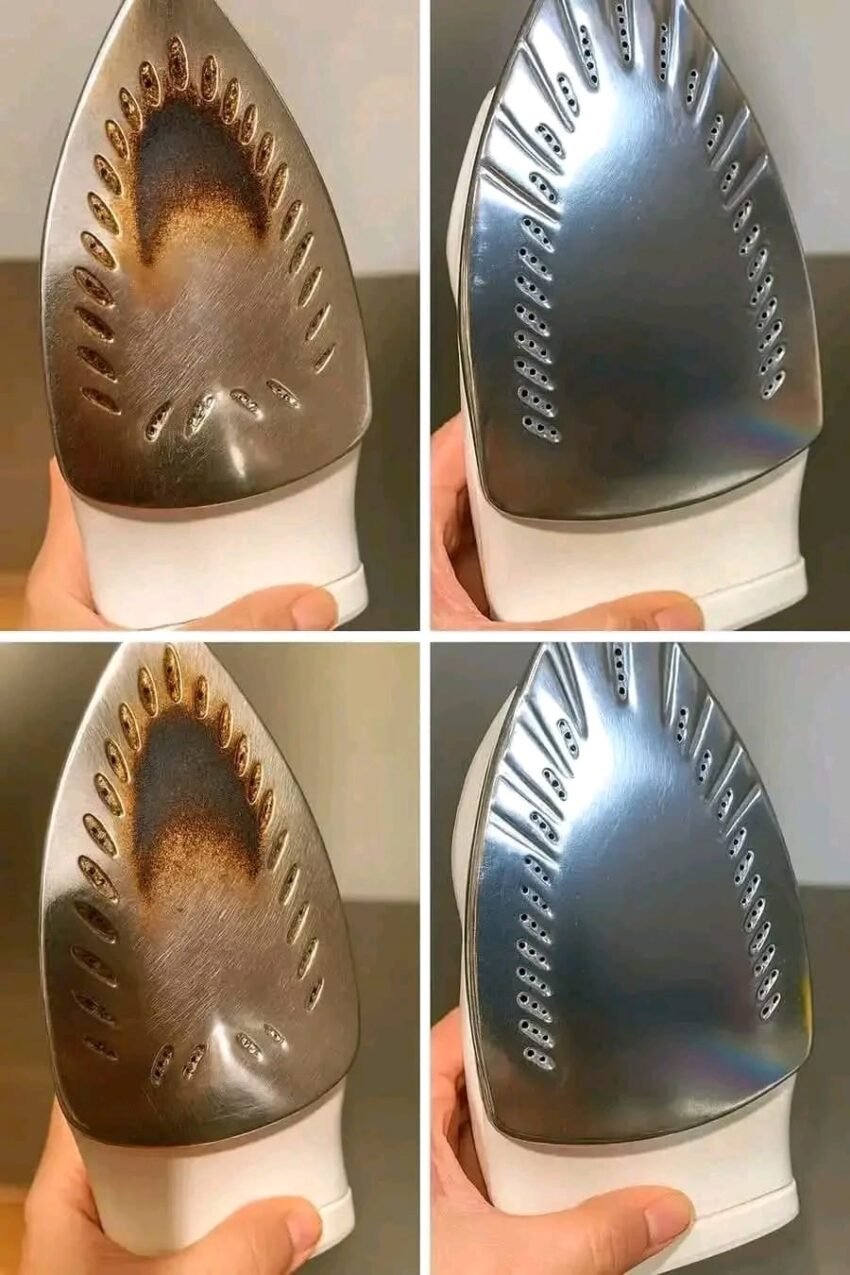
Cleaning Your Iron: It Only Takes 30 Seconds. Find Out How
If your iron leaves brown streaks, spits residue, or doesn’t glide smoothly anymore, it’s not broken—it’s just dirty. Over time, mineral deposits, burnt fabric fibers, and residue from starch sprays build up on the soleplate and inside steam vents.
The good news? You don’t need special cleaners, tools, or more than 30 seconds to fix it.
This quick guide shows you the fastest, safest way to clean your iron using items you already have at home—and explains why it works.
Why You Should Clean Your Iron Regularly
A dirty iron can:
-
Stain clothes permanently
-
Drag instead of glide
-
Release debris through steam holes
-
Reduce heat efficiency
Even a small amount of buildup can undo all the effort you put into laundry.
The 30-Second Iron Cleaning Method (That Actually Works)
What You’ll Need
-
White toothpaste (plain, not gel)
-
A clean, dry cloth or paper towel
That’s it.
Step-by-Step (30 Seconds Total)
Step 1: Make Sure the Iron Is Cool and Unplugged
Safety first. Never clean a hot iron.
Step 2: Apply Toothpaste
Squeeze a small amount of white toothpaste directly onto the iron’s soleplate, focusing on stained or sticky areas.
Step 3: Rub Gently
Use the cloth to rub the toothpaste in small circles. You’ll see residue lifting almost immediately.
Step 4: Wipe Clean
Use a clean part of the cloth to wipe off all toothpaste.
Optional (Extra 5 Seconds):
Turn the iron on low steam and iron over an old cloth to clear any residue from steam holes.
Why Toothpaste Works So Well
Toothpaste contains:
-
Mild abrasives that lift grime without scratching
-
Cleaning agents designed to break down residue
-
A texture gentle enough for coated surfaces
It’s effective, fast, and safe for most iron soleplates.
What If the Iron Has Steam Vent Buildup?
For light buildup:
-
The steam cycle over a cloth is usually enough
For heavier mineral deposits:
-
Use distilled water going forward to prevent recurrence
Avoid poking holes with sharp objects—it can permanently damage the iron.
Common Mistakes to Avoid
-
Using gel toothpaste (it won’t work)
-
Cleaning while the iron is hot
-
Using metal scrubbers or knives
-
Pouring vinegar directly into the iron without guidance
These can scratch the soleplate or damage internal components.
How Often Should You Clean Your Iron?
-
Light use: once every 1–2 months
-
Frequent use or hard water: once a month
-
After accidental plastic or fabric melt: immediately
Regular cleaning takes seconds and prevents major problems.
Other Quick Alternatives (If You Don’t Have Toothpaste)
-
Baking soda + water paste
-
White vinegar on a cloth (external use only)
-
Dryer sheets for light residue
Toothpaste remains the fastest and simplest option.
Signs Your Iron Needs Cleaning Now
-
Brown or white marks on clothes
-
Sticky or rough soleplate
-
Steam spitting debris
-
Reduced heat performance
If you notice any of these, don’t wait.
Frequently Asked Questions
Is toothpaste safe for all irons?
Safe for most standard soleplates. Avoid abrasive scrubbing on specialty coatings.
Can I clean a ceramic iron this way?
Yes—gently.
Will this remove burnt fabric?
Light burns, yes. Severe melting may need professional repair.
Can I use this method daily?
No need. Occasional cleaning is enough.
Does this work on rust?
Light surface rust may improve, but prevention is better.
Final Thoughts: Clean Iron, Better Clothes—No Effort
Most people put off cleaning their iron because they think it’s time-consuming. In reality, it takes less time than waiting for the iron to heat up.
Thirty seconds. One household item. No hassle.
Your clothes—and your patience—will thank you.
👉 Quick Tip
Save this article or share it with someone who irons regularly. It might just save their favorite shirt.