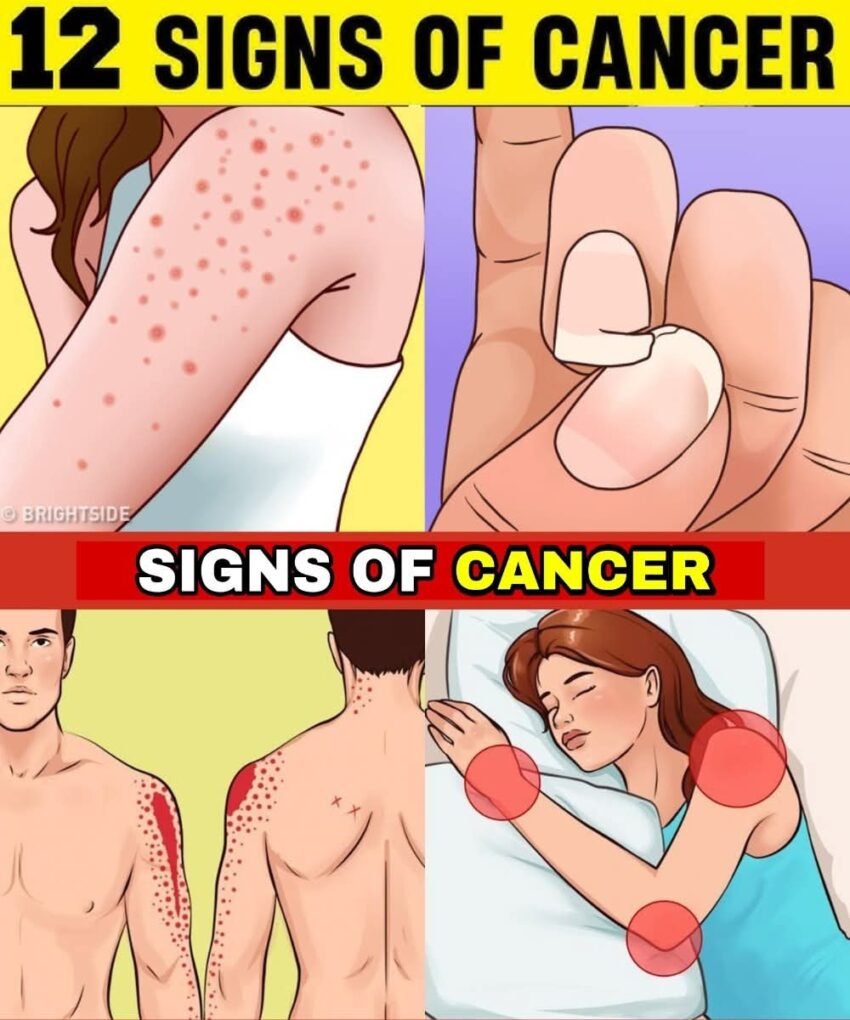
12 Early Warning Signs Your Body May Be Developing Cancer Cells
Cancer is a complex disease, and catching it early can significantly improve treatment outcomes. While no single symptom confirms cancer, certain warning signs can indicate abnormal cell changes in the body. Being aware of these signs helps you seek medical evaluation promptly.
Why Early Detection Matters
Early detection increases treatment success because:
-
Cancer is often more treatable in early stages.
-
Early intervention can prevent metastasis (spread to other organs).
-
Lifestyle changes and screenings can reduce risk or slow progression.
According to the American Cancer Society, routine health monitoring and awareness of body changes are essential for early diagnosis.
12 Early Warning Signs to Watch For
1. Unexplained Fatigue
Persistent fatigue that does not improve with rest may signal abnormal cell activity or chronic inflammation.
2. Unintentional Weight Loss
Losing 10 pounds or more without trying could indicate metabolic changes caused by cancer cells consuming energy.
3. Changes in Skin Appearance
-
New moles, dark spots, or sores that don’t heal
-
Yellowing of skin or eyes (jaundice)
-
Red or dark patches that appear suddenly
4. Persistent Pain
-
Chronic pain in a specific area may indicate tumor growth
-
Pain that doesn’t respond to usual treatments should be evaluated
5. Unexplained Fevers or Night Sweats
-
Can indicate immune system activation or early blood cancers like leukemia or lymphoma
6. Swelling or Lumps
-
Any unusual lump, especially in the breast, neck, or underarms, should be checked
-
Swelling of lymph nodes can also be a warning sign
7. Changes in Bowel or Bladder Habits
-
Persistent constipation, diarrhea, or blood in stool
-
Frequent urination, blood in urine, or difficulty urinating
8. Persistent Cough or Hoarseness
-
Long-lasting cough or voice changes may indicate lung, throat, or thyroid issues
9. Unexplained Bleeding
-
Nosebleeds, gums bleeding, or unusual vaginal bleeding
-
Could indicate blood disorders or certain cancers
10. Difficulty Swallowing or Persistent Indigestion
-
Can signal esophageal or stomach cancers
-
Pain or discomfort when swallowing food
11. Changes in Appetite or Taste
-
Loss of appetite or a metallic/bitter taste in the mouth
-
Can be linked to liver or digestive system changes
12. Skin or Nail Changes
-
Dark streaks under nails
-
Rapidly growing or unusual moles
-
Itchy, inflamed skin without clear cause
Steps to Take If You Notice Warning Signs
-
Track Symptoms
-
Keep a journal of changes, duration, and severity.
-
-
Schedule a Doctor’s Appointment
-
Early evaluation can include blood tests, imaging, or biopsies.
-
-
Maintain Healthy Lifestyle Habits
-
Balanced diet, regular exercise, and avoiding smoking or excessive alcohol
-
-
Regular Screenings
-
Follow age-appropriate screenings for breast, colon, cervical, and prostate cancers
-
Frequently Asked Questions
Q: Do these symptoms always mean cancer?
A: No. Many symptoms are common in other conditions. Persistent or unusual changes warrant evaluation by a healthcare professional.
Q: Can lifestyle changes prevent cancer?
A: While they can’t guarantee prevention, healthy habits reduce risk and support early detection.
Q: How often should I get screenings?
A: Depends on age, sex, and risk factors. Consult your doctor for a personalized schedule.
Q: What is the most important sign not to ignore?
A: Any persistent or unexplained change in your body, especially lumps, bleeding, or unintentional weight loss, should be checked promptly.
Tips for Early Detection
-
Perform monthly self-exams (breast, skin, testicular)
-
Know your family history for genetic risks
-
Maintain a symptom diary to provide detailed information to your doctor
-
Stay informed about screening guidelines from high-authority sources like the American Cancer Society and WHO
Conclusion
While not every symptom indicates cancer, early recognition of changes in your body can save lives. By being aware of the 12 warning signs and seeking prompt medical evaluation, you can catch potential issues early and take proactive steps toward better health.
✅ Call to Action
-
Monitor your body regularly for unusual changes or symptoms.
-
Share this guide with friends and family to raise awareness about early detection.
-
Schedule routine checkups and follow screening recommendations for your age and risk profile.