Mouth Cancer: Symptoms, Causes, Stages, and Treatment – What You Need to Know
Mouth cancer can start with subtle signs. Learn its symptoms, causes, stages, diagnosis, and treatment options in this complete, easy-to-understand guide.
Introduction: Why Mouth Cancer Awareness Is So Important
Mouth cancer is often overlooked, misunderstood, or mistaken for minor oral problems like ulcers or tooth issues. Because early symptoms are usually painless and subtle, many people delay seeking medical care—sometimes until the disease has progressed.
Yet, when detected early, mouth cancer is highly treatable, with significantly better outcomes and quality of life. Awareness is the most powerful tool for early detection.
This comprehensive guide explains what mouth cancer is, how it develops, early and advanced symptoms, causes, stages, diagnosis, and treatment options—in clear, reliable language designed for both beginners and informed readers.
What Is Mouth Cancer?
Mouth cancer, also known as oral cancer, refers to cancer that develops in any part of the oral cavity, including:
-
Lips
-
Gums
-
Tongue
-
Inner cheeks
-
Floor of the mouth
-
Roof of the mouth (palate)
-
Tonsils and oropharynx (sometimes included)
Most mouth cancers are squamous cell carcinomas, meaning they begin in the thin, flat cells lining the mouth.
How Common Is Mouth Cancer?
Mouth cancer affects hundreds of thousands of people worldwide each year. While it is more common in adults over 40, cases among younger individuals have been increasing—especially those linked to viral infections and lifestyle factors.
Men are historically at higher risk, but rates among women are steadily rising.
Early Symptoms of Mouth Cancer (Often Missed)
Early mouth cancer symptoms can be mild and easy to ignore. Many people assume they are harmless mouth sores.
Common Early Warning Signs
-
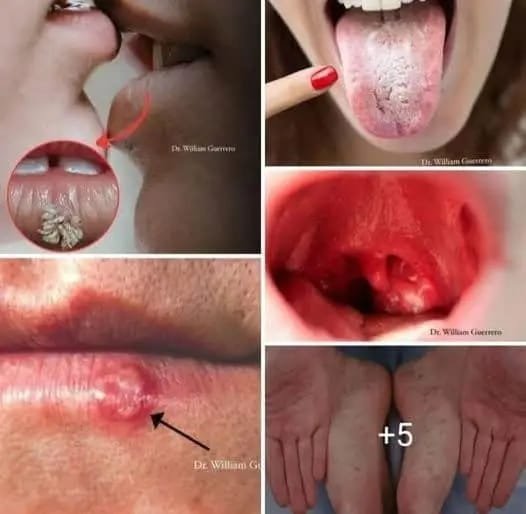
A sore in the mouth that doesn’t heal within 2–3 weeks
-
White or red patches inside the mouth
-
Persistent mouth pain or tenderness
-
Lumps, thickened areas, or rough spots
-
Numbness in the tongue or lips
-
Bleeding without obvious cause
If a mouth issue persists or worsens, it should always be checked.
Advanced Symptoms of Mouth Cancer
As the cancer grows, symptoms often become more noticeable and disruptive.
Later-Stage Symptoms
-
Difficulty chewing or swallowing
-
Persistent sore throat
-
Jaw pain or stiffness
-
Loose teeth without dental cause
-
Changes in speech or voice
-
Ear pain (without infection)
-
Swelling in the neck or jaw
At this stage, cancer may have spread to nearby tissues or lymph nodes.
What Causes Mouth Cancer?
Mouth cancer usually develops due to long-term exposure to risk factors that damage oral cells.
1. Tobacco Use
This is the leading cause of mouth cancer.
Includes:
-
Cigarettes
-
Cigars
-
Pipes
-
Smokeless tobacco
Tobacco exposes oral tissues to carcinogenic chemicals that damage DNA.
2. Alcohol Consumption
Heavy or frequent alcohol use increases risk, especially when combined with tobacco.
Alcohol:
-
Irritates oral tissues
-
Makes it easier for harmful substances to penetrate cells
Together, tobacco and alcohol multiply cancer risk.
3. Viral Infections
Certain viral strains are linked to mouth and throat cancers.
These infections can alter cell behavior and increase abnormal growth.
4. Prolonged Sun Exposure (For Lip Cancer)
Excessive sun exposure can damage the lips, especially the lower lip.
5. Poor Oral Health
Chronic irritation, poorly fitting dentures, and long-term inflammation may increase vulnerability.
6. Weakened Immune System
A compromised immune system may be less effective at repairing damaged cells.
Stages of Mouth Cancer Explained
Mouth cancer is staged based on tumor size, spread to lymph nodes, and distant spread.
| Stage | Description |
|---|---|
| Stage I | Small tumor, confined to mouth |
| Stage II | Larger tumor, no lymph node spread |
| Stage III | Tumor with nearby lymph node involvement |
| Stage IV | Advanced spread to nearby tissues or distant organs |
Earlier stages have significantly better treatment outcomes.
How Mouth Cancer Is Diagnosed
1. Physical Examination
A healthcare provider examines the mouth, tongue, and neck.
2. Biopsy
A small tissue sample is taken and examined under a microscope.
This is the only way to confirm cancer.
3. Imaging Tests
-
CT scans
-
MRI
-
PET scans
Used to assess tumor size and spread.
Treatment Options for Mouth Cancer
Treatment depends on:
-
Cancer stage
-
Location
-
Overall health
-
Personal preferences
Often, multiple treatments are combined.
1. Surgery
The most common treatment, especially for early stages.
Goals:
-
Remove the tumor
-
Preserve speech and swallowing when possible
2. Radiation Therapy
Uses high-energy beams to destroy cancer cells.
Often used:
-
After surgery
-
When surgery isn’t possible
3. Chemotherapy
Uses drugs to kill or slow cancer cells.
Typically used:
-
In advanced stages
-
Alongside radiation
4. Targeted Therapy
Targets specific molecules involved in cancer growth.
May cause fewer side effects than chemotherapy in some cases.
5. Rehabilitation and Support
-
Speech therapy
-
Nutritional support
-
Psychological counseling
Recovery focuses on both survival and quality of life.
Pros and Cons of Mouth Cancer Treatments
Pros
-
High cure rates when detected early
-
Increasingly precise surgical techniques
-
Improved symptom management
Cons
-
Temporary or permanent speech changes
-
Difficulty eating during recovery
-
Fatigue and discomfort
Individualized treatment planning is essential.
Common Mistakes That Delay Diagnosis
-
Ignoring mouth sores
-
Assuming pain is required for cancer
-
Self-treating persistent symptoms
-
Avoiding dental or medical checkups
-
Waiting for symptoms to become severe
Early evaluation saves lives.
Prevention Tips That Actually Work
Lifestyle Choices
-
Avoid tobacco in all forms
-
Limit alcohol consumption
-
Protect lips from sun exposure
Oral Health
-
Maintain good oral hygiene
-
Regular dental checkups
-
Address ill-fitting dental appliances
Self-Checks
-
Examine your mouth monthly
-
Look for sores, patches, or lumps
-
Seek care for anything unusual lasting over two weeks
Living With and After Mouth Cancer
Survival rates continue to improve, especially with early diagnosis.
Post-treatment care may include:
-
Ongoing monitoring
-
Speech and swallowing therapy
-
Emotional and mental health support
Many people return to active, fulfilling lives after treatment.
Frequently Asked Questions
1. Is mouth cancer painful in early stages?
Often no, which is why it’s frequently missed.
2. Can non-smokers get mouth cancer?
Yes, though risk is lower.
3. Are mouth ulcers always cancerous?
No, but ulcers that don’t heal should be checked.
4. How fast does mouth cancer grow?
Growth varies—some progress slowly, others faster.
5. Can dentists detect mouth cancer?
Yes, many cases are first noticed during dental exams.
6. Is mouth cancer curable?
Yes, especially when caught early.
7. Does mouth cancer spread quickly?
It can spread to lymph nodes if untreated.
8. Can diet reduce risk?
A balanced diet supports overall health but doesn’t eliminate risk.
9. Are younger people at risk?
Yes, especially with certain viral or lifestyle factors.
Future Advances in Mouth Cancer Care
Emerging developments include:
-
Earlier detection tools
-
Personalized therapies
-
Improved reconstructive techniques
-
Better rehabilitation support
Research continues to focus on preserving function and improving survival.
Conclusion: Early Awareness Can Save Your Life
Mouth cancer doesn’t always announce itself with pain or dramatic symptoms. It often starts quietly—with a sore that won’t heal or a patch that doesn’t go away. Paying attention to these early signs and seeking timely medical care can make the difference between simple treatment and complex intervention.
Your mouth is part of your overall health. Don’t ignore what it’s trying to tell you.
Call to Action
If this article helped you understand mouth cancer better, consider sharing it with friends or family. Early awareness leads to early diagnosis—and early diagnosis saves lives. If you notice persistent changes in your mouth, don’t wait. Get checked and protect your health.