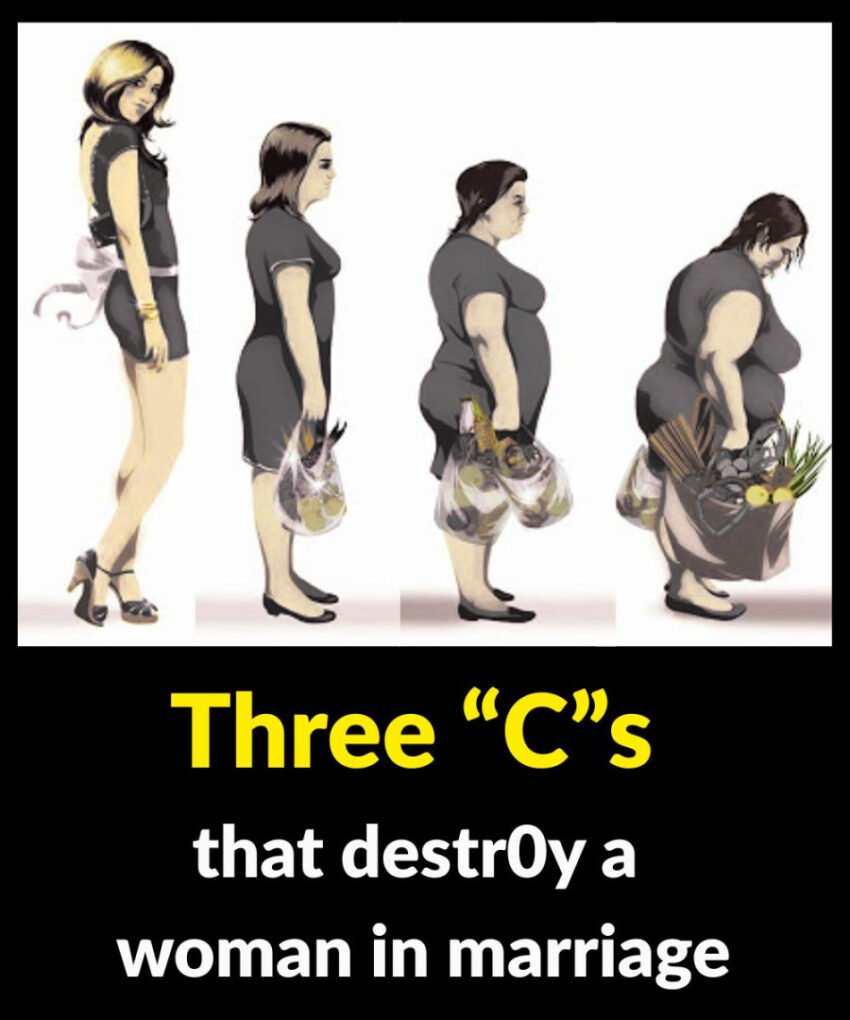
The Three “C”s That Can Quietly Destroy a Woman in Marriage
Marriage is often described as a partnership, a safe space, and a shared journey. Yet many women find themselves emotionally drained, invisible, or broken inside a relationship that looks perfectly fine from the outside.
The truth is, marriages rarely collapse overnight. More often, they erode slowly—through patterns that seem small at first but grow destructive over time.
Among the most damaging patterns are what many relationship counselors describe as the three “C”s:
Control, Criticism, and Contempt
These are not dramatic, movie-style problems. They are subtle, normalized, and often misunderstood. But when left unchecked, they can deeply harm a woman’s emotional health, confidence, and sense of self within marriage.
This article explores what these three “C”s look like in real life, why they are so damaging, and—most importantly—what can be done about them.
Why Talking About This Matters
Many women:
-
Stay silent to “keep the peace”
-
Normalize emotional pain
-
Blame themselves for relational problems
-
Are told they are “too sensitive” or “overreacting”
Understanding these patterns gives language to experiences that are often dismissed—and that alone can be powerful.
This is not about attacking men or marriage.
It’s about recognizing unhealthy dynamics early so healing, change, or boundaries are possible.
The First “C”: Control
What Control Looks Like in Marriage
Control doesn’t always look like shouting or commands. In fact, the most dangerous forms are often subtle.
Examples include:
-
Monitoring how she spends money
-
Making decisions without consulting her
-
Discouraging friendships or family connections
-
Questioning her clothing, tone, or choices
-
Framing control as “protection” or “love”
Over time, these behaviors send a clear message:
“Your judgment cannot be trusted.”
How Control Affects a Woman
When control becomes a pattern, it can:
-
Erode self-confidence
-
Create constant self-doubt
-
Reduce independence
-
Lead to anxiety and emotional dependence
Many women slowly stop expressing opinions—not because they don’t have them, but because it feels safer not to.
This is how control “destroys” quietly:
Not by force, but by shrinking a woman’s sense of agency.
Why Control Is Often Justified
Control is frequently disguised as:
-
Responsibility
-
Leadership
-
Cultural norms
-
Financial management
-
Concern for safety or reputation
Because of this, women may feel guilty for resisting it, even when it hurts them.
The Second “C”: Criticism
What Constant Criticism Sounds Like
Criticism is not the same as healthy feedback.
Healthy feedback focuses on behavior.
Criticism attacks identity.
Examples:
-
“You never do anything right.”
-
“Why are you always like this?”
-
“Other women handle this better.”
-
“You’re too emotional.”
-
“You can’t take a joke.”
Even when said calmly, repeated criticism cuts deeply.
The Emotional Cost of Criticism
Ongoing criticism can lead to:
-
Low self-worth
-
Perfectionism
-
Chronic guilt
-
Emotional exhaustion
-
Fear of speaking up
Many women begin to:
-
Over-explain themselves
-
Apologize excessively
-
Walk on eggshells
-
Feel they are “never enough”
Eventually, the inner voice becomes harsher than the external one.
Why Criticism Is So Normalized
Criticism often hides behind:
-
“I’m just being honest”
-
“I want you to improve”
-
“That’s just how I talk”
-
“You’re too sensitive”
But honesty without empathy becomes cruelty.
The Third “C”: Contempt (The Most Dangerous One)
What Contempt Looks Like
Contempt is not loud—it’s cold.
It shows up as:
-
Eye-rolling
-
Sarcasm
-
Mockery
-
Dismissive silence
-
Talking down to her
-
Making her feel stupid or inferior
Contempt communicates one message:
“I am better than you.”
Relationship experts often identify contempt as the strongest predictor of marital breakdown.
How Contempt Destroys a Woman’s Spirit
Contempt doesn’t just hurt feelings—it attacks dignity.
Its effects include:
-
Deep shame
-
Emotional numbness
-
Loss of intimacy
-
Feeling unworthy of love
-
Emotional withdrawal
Many women describe feeling lonely even while married.
Why Contempt Is So Hard to Heal
Unlike anger, contempt doesn’t seek resolution.
It seeks superiority.
Once contempt becomes habitual, emotional safety disappears—and without safety, love cannot thrive.
How the Three “C”s Work Together
These patterns rarely appear alone.
-
Control limits freedom
-
Criticism weakens confidence
-
Contempt destroys respect
Together, they create a dynamic where a woman:
-
Doubts herself
-
Silences her needs
-
Accepts less than she deserves
-
Slowly loses her sense of identity
This is not weakness.
It’s the result of prolonged emotional pressure.
Common Myths That Keep Women Stuck
-
“All marriages are like this”
-
“At least he doesn’t hit me”
-
“If I change, things will improve”
-
“I should be more patient”
-
“This is just how love is”
Healthy marriage does not require self-erasure.
What Healthy Alternatives Look Like
Instead of the three “C”s, thriving marriages are built on:
-
Communication, not control
-
Constructive feedback, not criticism
-
Respect, not contempt
Key signs of emotional safety include:
-
Being heard without fear
-
Disagreements without humiliation
-
Autonomy without punishment
-
Mutual respect, even in conflict
Practical Steps for Women Experiencing This
-
Name the Pattern
Awareness is the first step toward change. -
Trust Your Feelings
Discomfort is data. Don’t ignore it. -
Set Small Boundaries
Notice how they are received. -
Seek Outside Perspective
Trusted friends, counselors, or support groups can help you see clearly. -
Remember Your Worth
Marriage should add to your life—not erase you.
When Change Is Possible—and When It’s Not
Change is possible when:
-
There is accountability
-
Respect is rebuilt
-
Both partners are willing to grow
Change is unlikely when:
-
Behavior is minimized or mocked
-
Blame is constant
-
Help is refused
-
You are made to feel “crazy” for speaking up
Knowing the difference is an act of self-respect.
Final Thoughts
A woman is not destroyed by marriage itself.
She is worn down by patterns that deny her voice, dignity, and emotional safety.
Recognizing the three “C”s—Control, Criticism, and Contempt—is not about assigning blame. It’s about clarity.
And clarity is powerful.
Every woman deserves a relationship where she can grow, speak, rest, and be fully herself—without fear.
Call to Action
If this resonated with you, share it with someone who may need clarity or validation.
Conversations like these can open doors to healing, boundaries, and healthier relationships.
You are not “too much.”
You are worthy of respect.