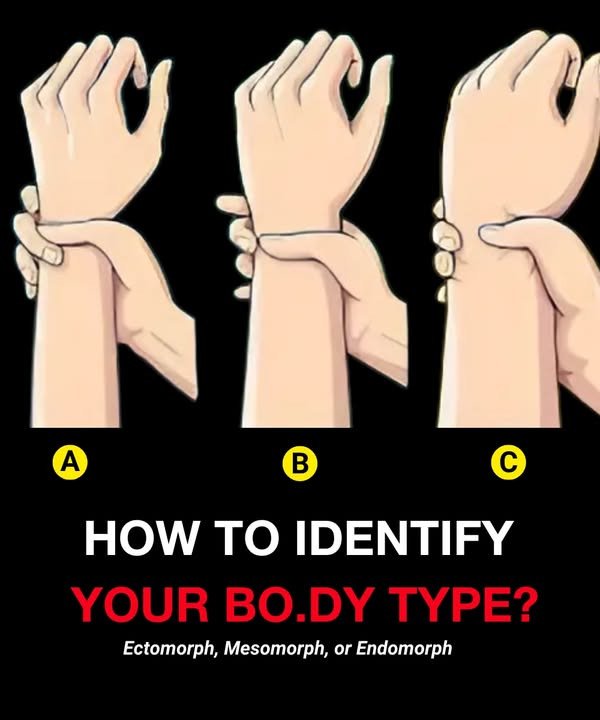
Have you ever wondered why some people stay lean no matter what they eat, while others gain muscle easily or struggle with stubborn fat despite consistent effort?
The answer may lie in body type classification.
Understanding body types can help you make smarter decisions about nutrition, exercise, and lifestyle. While no system is perfect, the concepts of ectomorph, mesomorph, and endomorph remain widely discussed because they offer a helpful starting point for understanding how different bodies respond to food and training.
This guide breaks down each body type in detail, clears up common myths, and shows you how to use this knowledge practically—without falling into rigid labels or false expectations.
What Are Body Types?
Body types originate from a classification system known as somatotypes, introduced in the mid-20th century to describe physical builds based on skeletal structure, muscle development, and fat distribution.
The three main categories are:
-
Ectomorph
-
Mesomorph
-
Endomorph
Most people are not purely one type. Instead, they fall somewhere on a spectrum, often showing traits of two types.
Think of body types as tendencies—not limits.
Why Body Types Still Matter Today
Although modern science emphasizes individuality, body type frameworks remain useful because they help explain:
-
Differences in metabolism
-
How people respond to training
-
Why one-size-fits-all diets often fail
-
Variations in muscle-building and fat storage
When used correctly, body type awareness promotes personalized health strategies, not comparison or frustration.
Ectomorph Body Type Explained
Key Characteristics of Ectomorphs
Ectomorphs are often described as naturally lean.
Common traits include:
-
Slim or narrow frame
-
Long limbs
-
Small joints
-
Low body fat
-
Difficulty gaining weight or muscle
-
Fast metabolism
They often appear “thin” even when inactive.
Strengths of the Ectomorph Body Type
-
Naturally lean appearance
-
Lower tendency to store excess fat
-
Good endurance potential
-
Efficient energy usage
Challenges Ectomorphs Face
-
Difficulty building muscle mass
-
Weight gain requires high caloric intake
-
Can appear underdeveloped if training is unstructured
-
Fatigue if nutrition is insufficient
Training Tips for Ectomorphs
Ectomorphs benefit most from structured, resistance-focused workouts.
Best approaches:
-
Strength training 3–4 times per week
-
Compound exercises (squats, deadlifts, presses)
-
Shorter workouts with adequate rest
-
Limited excessive cardio
Recovery is just as important as training.
Nutrition Tips for Ectomorphs
-
Prioritize calorie-dense, nutrient-rich foods
-
Include healthy fats and complex carbohydrates
-
Eat consistently throughout the day
-
Avoid skipping meals
The goal is fuel and recovery, not restriction.
Mesomorph Body Type Explained
Key Characteristics of Mesomorphs
Mesomorphs are often considered naturally athletic.
Common traits include:
-
Medium to large frame
-
Broad shoulders
-
Narrow waist
-
Visible muscle definition
-
Gains muscle easily
-
Responds quickly to training
Strengths of the Mesomorph Body Type
-
Balanced metabolism
-
Efficient muscle growth
-
Responds well to varied training styles
-
Easier body composition changes
Challenges Mesomorphs Face
-
Can gain fat if inactive
-
May rely too much on genetics
-
Progress can stall without structure
Mesomorphs still need discipline to maintain results.
Training Tips for Mesomorphs
Mesomorphs are versatile and adapt well.
Effective strategies:
-
Combination of strength and conditioning
-
Periodized training programs
-
Mix of heavy lifting and moderate cardio
-
Variety to prevent plateaus
Consistency is the key advantage.
Nutrition Tips for Mesomorphs
-
Balanced macronutrient intake
-
Emphasis on whole foods
-
Adjust calories based on activity level
-
Avoid extremes
Flexibility works well for this body type.
Endomorph Body Type Explained
Key Characteristics of Endomorphs
Endomorphs tend to store energy efficiently.
Common traits include:
-
Softer or rounder physique
-
Wider hips or waist
-
Slower metabolism
-
Gains fat easily
-
Can build muscle but often hidden under fat
Strengths of the Endomorph Body Type
-
Strong and powerful
-
Excellent potential for strength sports
-
Responds well to resistance training
-
High energy reserves
Challenges Endomorphs Face
-
Fat loss can be slower
-
Weight gain occurs easily
-
Requires consistent structure
-
Frustration from quick regain
Patience is essential.
Training Tips for Endomorphs
Endomorphs benefit from structured, consistent movement.
Effective approaches:
-
Resistance training 3–5 times per week
-
Incorporate moderate cardio
-
Focus on full-body workouts
-
Avoid long sedentary periods
Sustainability matters more than intensity.
Nutrition Tips for Endomorphs
-
Focus on nutrient-dense foods
-
Prioritize protein and fiber
-
Manage portion sizes
-
Avoid excessive refined sugars
Consistency beats restriction.
Can You Be More Than One Body Type?
Yes—most people are a blend.
Common combinations include:
-
Ecto-mesomorph (lean with athletic potential)
-
Meso-endomorph (muscular with fat-gain tendency)
-
Ecto-endomorph (slim frame but stores fat easily)
Your body can also change over time due to:
-
Age
-
Hormonal shifts
-
Lifestyle
-
Training history
Body type is not fixed.
Common Myths About Body Types
Myth 1: Body type determines your limits
Reality: Habits matter more than classification.
Myth 2: You can’t change your body type
Reality: You can significantly reshape body composition.
Myth 3: One diet fits your body type forever
Reality: Needs change over time.
Myth 4: Mesomorphs don’t need effort
Reality: Consistency still matters.
How to Use Body Type Knowledge Practically
Instead of labeling yourself, use body types as guidelines:
-
Choose training styles that suit your tendencies
-
Adjust nutrition based on response, not theory
-
Track progress and adapt
-
Focus on long-term habits
Awareness empowers smarter decisions.
Pros and Cons of Body Type Classification
Pros
-
Simple framework
-
Encourages personalization
-
Explains metabolic differences
-
Useful starting point
Cons
-
Overgeneralization
-
Can lead to limiting beliefs
-
Not scientifically precise
-
Should not replace individualized planning
Balance is key.
Frequently Asked Questions
Are body types scientifically proven?
They are descriptive models, not strict scientific categories.
Can exercise change my body type?
Exercise changes body composition, not skeletal structure—but results can be dramatic.
Which body type is best?
There is no “best” body type—only healthy or unhealthy habits.
Do body types affect metabolism?
They reflect tendencies, not absolute metabolic rates.
Should I train differently based on body type?
Yes, but adjustments should be flexible and individualized.
Can body type change with age?
Yes, lifestyle and hormonal changes influence body composition.
Are women affected the same way?
Yes, though hormonal factors play a larger role.
Is body type more important than calories?
Both matter; context is everything.
Final Thoughts
Body types are tools, not labels.
They help explain why different bodies respond differently—but they do not define your potential, worth, or limits.
The most important factors remain:
-
Consistent movement
-
Balanced nutrition
-
Adequate recovery
-
Patience and self-awareness
When you work with your body instead of against it, progress becomes more sustainable—and far more empowering.
Call to Action
If this guide helped you understand your body better, share it with someone who feels stuck or confused about fitness and nutrition. Knowledge becomes powerful when it’s shared—and applied wisely.