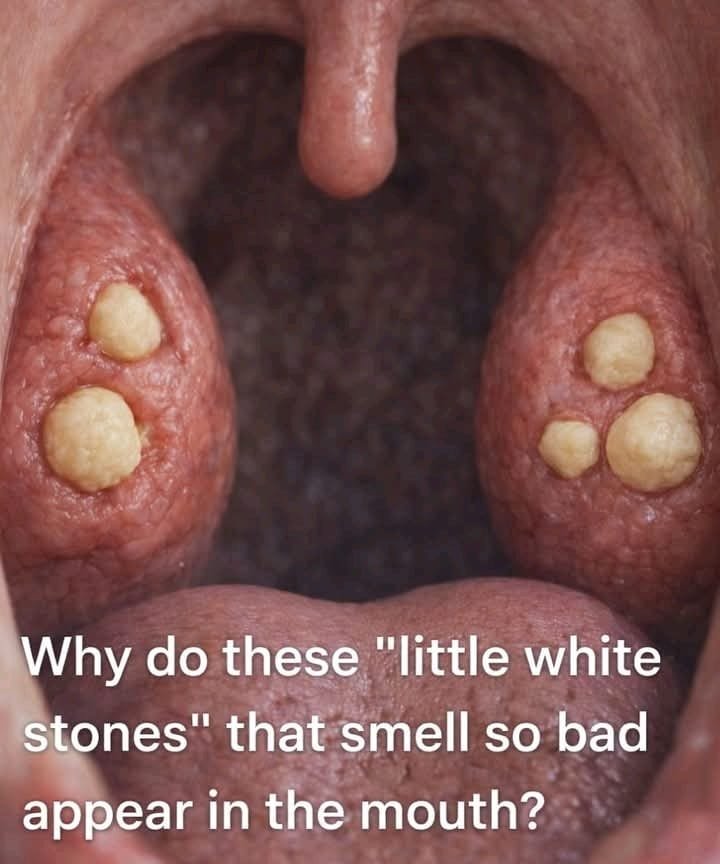
What Are Those Smelly “White Stones” in Your Mouth That Cause Terrible Bad Breath? (The Truth About Tonsil Stones)
Introduction: Ever Coughed Up Something That Smells Awful? You’re Not Alone
If you’ve ever noticed small, white or yellowish chunks in your mouth that smell absolutely horrible, you’re probably wondering:
-
What is this thing?
-
Why does it smell so bad?
-
Is it dangerous?
You’re not imagining it—and you’re definitely not alone.
These foul-smelling bits are called tonsil stones, and while they’re common, they’re also widely misunderstood. Many people suffer from bad breath for years without realizing that tonsil stones are the real cause.
The good news?
They’re usually harmless—and manageable once you understand them.
In this guide, we’ll break down:
-
What tonsil stones really are
-
Why they smell so terrible
-
Who gets them (and why)
-
Symptoms most people ignore
-
Safe ways to remove and prevent them
-
When you should see a doctor
Let’s clear up the confusion—literally.
What Exactly Are Tonsil Stones?
Tonsil stones, also known medically as tonsilloliths, are small, hardened deposits that form in the crypts (tiny crevices) of the tonsils.
They’re made from a combination of:
-
Food particles
-
Dead cells
-
Mucus
-
Bacteria
Over time, this material gets trapped, compressed, and calcified—turning into those chalky, white or yellow stones.
Why Tonsils Are Prone to This
Tonsils are part of your immune system and help trap germs. But their uneven surface makes them a perfect place for debris to collect—especially if the crypts are deep.
Why Do Tonsil Stones Smell So Bad?
This is the part most people can’t forget.
The awful odor comes from sulfur-producing bacteria. These bacteria break down proteins and release compounds similar to those found in rotten eggs.
That’s why:
-
Even tiny stones can cause intense bad breath
-
Brushing and mouthwash don’t always fix the problem
-
The smell often returns quickly
In fact, tonsil stones are one of the most common hidden causes of chronic bad breath.
Common Symptoms of Tonsil Stones
Some people have tonsil stones and don’t even know it. Others experience persistent discomfort.
Common Signs
-
Chronic bad breath (even with good oral hygiene)
-
White or yellow lumps on the tonsils
-
Metallic or unpleasant taste
-
Sore or irritated throat
-
Feeling like something is stuck in your throat
-
Mild ear pain (due to shared nerves)
-
Difficulty swallowing (in larger stones)
Small stones may cause no symptoms at all—until you smell them.
Who Is Most Likely to Get Tonsil Stones?
Tonsil stones can affect anyone, but certain factors increase your risk.
Higher Risk Groups
-
People with large or deeply creased tonsils
-
Chronic sinus or post-nasal drip sufferers
-
Frequent throat infections
-
Poor oral hygiene
-
Mouth breathing or dry mouth
-
Smokers
They’re more common in teens and adults than in young children.
Are Tonsil Stones Dangerous?
For most people, no.
Tonsil stones are generally harmless and not a medical emergency. However, they can seriously affect:
-
Breath confidence
-
Comfort
-
Quality of life
When They May Need Attention
-
Recurrent infections
-
Severe throat pain
-
Difficulty swallowing
-
Persistent swelling
-
Very large or painful stones
In rare cases, chronic tonsil stone problems may lead a doctor to discuss further treatment options.
How to Safely Remove Tonsil Stones at Home
Small tonsil stones can often be removed gently—but caution is key.
Safe At-Home Methods
-
Gargling with warm salt water
-
Using a water flosser on low pressure
-
Gentle cotton swab removal (only if visible and loose)
-
Maintaining strong oral hygiene
What NOT to Do
-
Don’t dig aggressively
-
Don’t use sharp objects
-
Don’t force removal if it hurts or bleeds
If stones are deep or painful, leave removal to a professional.
How to Prevent Tonsil Stones From Coming Back
Prevention focuses on reducing bacteria and debris buildup.
Daily Habits That Help
-
Brush teeth and tongue twice daily
-
Floss consistently
-
Gargle after meals
-
Stay well hydrated
-
Treat nasal congestion or post-nasal drip
-
Avoid smoking
Helpful Additions
-
Alcohol-free mouth rinses
-
Tongue scrapers
-
Humidifiers for dry air
Consistency makes the biggest difference.
Medical Treatment Options
If tonsil stones are frequent or severe, a healthcare provider may suggest:
Professional Options
-
Manual removal by a clinician
-
Antibiotics (only if infection is present)
-
Laser cryptolysis (smooths tonsil surface)
-
Tonsillectomy (rare and last resort)
Surgery is not usually necessary unless stones cause ongoing problems.
Common Myths About Tonsil Stones
Myth 1: They Mean You Have Poor Hygiene
Not always. Many people with excellent oral care still get them.
Myth 2: They’re Contagious
False. Tonsil stones are not infectious.
Myth 3: Mouthwash Alone Will Cure Them
Mouthwash helps—but it won’t fix deep crypt buildup on its own.
Myth 4: They Always Hurt
Many stones cause no pain at all.
Frequently Asked Questions
1. Can tonsil stones go away on their own?
Yes, small stones often dislodge naturally when coughing or swallowing.
2. Are tonsil stones the same as strep throat?
No. Strep is an infection; tonsil stones are debris buildup.
3. Why do they keep coming back?
Deep tonsil crypts and bacteria make recurrence common.
4. Can children get tonsil stones?
Yes, but they’re more common in teens and adults.
5. Do probiotics help?
They may help balance oral bacteria, but evidence is still emerging.
6. Can dehydration cause tonsil stones?
Dry mouth increases bacterial growth, which can contribute.
7. Are they related to acid reflux?
Reflux can irritate the throat and worsen buildup in some people.
8. Should I worry if I see blood when removing one?
Stop immediately and consult a healthcare professional.
When to See a Doctor
You should seek medical advice if you experience:
-
Severe pain
-
Recurrent infections
-
Persistent swelling
-
Difficulty swallowing or breathing
-
Fever or signs of infection
A professional evaluation ensures safe and appropriate treatment.
Conclusion: Annoying—but Manageable
Tonsil stones may be small, but their impact—especially on confidence and breath—can feel huge.
The key takeaway?
-
They’re common
-
They’re usually harmless
-
They’re manageable with proper care
Understanding what they are—and how to deal with them—can bring real relief.
Final Tip
If bad breath has been bothering you despite good oral hygiene, take a look at your tonsils. The solution might be hiding in plain sight.
If this article helped you, consider sharing it—because no one should suffer in silence over something so common and treatable.