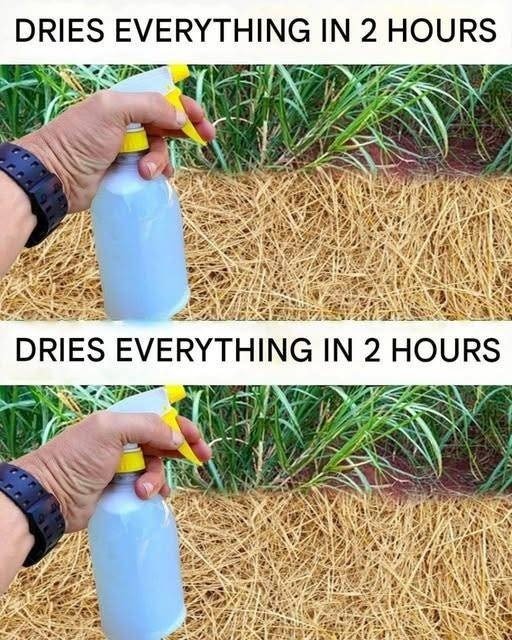
The Best Homemade Weed Killer: A Non‑Toxic Option That Works Fast
Unwanted weeds can quickly take over driveways, patios, sidewalks, and garden paths. Many store‑bought weed killers are effective, but they often contain harsh chemicals that can harm pets, soil, and nearby plants.
The good news? You can make a simple, homemade weed killer using common household ingredients. While it’s not a miracle cure and won’t kill roots instantly, it works quickly on exposed weeds and is a popular non‑toxic alternative for small areas.
How Homemade Weed Killers Work
Natural weed killers don’t poison plants the way chemical herbicides do. Instead, they work by:
-
Drying out the leaves
-
Disrupting plant cells
-
Preventing photosynthesis
This makes them best for:
-
Sidewalk cracks
-
Driveways
-
Patios
-
Gravel areas
They are not ideal for lawns or near plants you want to keep.
The Most Popular Non‑Toxic Homemade Weed Killer
Ingredients
-
White vinegar (5% acetic acid)
-
Dish soap (a few drops)
-
Optional: salt (for non‑garden areas only)
Why These Work
-
Vinegar dries out weed leaves quickly
-
Dish soap helps the solution stick to the plant
-
Salt increases drying power but can damage soil long‑term
Simple Recipe
Basic Version (safer for soil):
-
1 gallon white vinegar
-
1–2 teaspoons dish soap
Stronger Version (use only on hard surfaces):
-
1 gallon white vinegar
-
1 cup salt
-
1–2 teaspoons dish soap
Mix gently until combined.
How to Use It Correctly
-
Pour the mixture into a spray bottle or garden sprayer
-
Spray directly onto weed leaves (avoid surrounding plants)
-
Apply on a hot, sunny, dry day
-
You may see wilting within hours, with full drying by the end of the day
⚠️ This solution kills what it touches, so spray carefully.
What to Expect (Realistic Results)
-
Weeds may wilt in a few hours
-
Above‑ground growth usually dries out within a day
-
Deep‑rooted weeds may grow back and need reapplication
-
It does not permanently sterilize soil unless salt is overused
Pros and Cons
Pros
-
Uses common household ingredients
-
No synthetic poisons
-
Affordable
-
Fast visible results
Cons
-
Not selective (can harm plants you want)
-
Doesn’t always kill roots
-
Salt can damage soil if overused
Common Mistakes to Avoid
-
Spraying on windy days
-
Using salt in garden beds
-
Expecting one application to kill all weeds permanently
-
Applying before rain
Frequently Asked Questions
Is this safe for pets?
Vinegar-based sprays are generally safer than chemical herbicides, but pets should be kept away until surfaces are dry.
Can I use apple cider vinegar?
White vinegar works best and is more cost-effective.
Will this kill grass?
Yes. Avoid spraying anywhere you want grass to grow.
Does it work on large weeds?
It works best on young, small weeds. Mature weeds may require repeat applications.
Can I use stronger vinegar?
Higher-acidity vinegar works faster but can irritate skin and eyes—use with caution.
Conclusion
Homemade weed killers won’t replace professional herbicides for large infestations, but for small areas and quick control, they’re a practical, non‑toxic solution. When used correctly, they can dry out weeds quickly without introducing harsh chemicals into your environment.
🌱 Tip: Consistency matters more than strength. Reapply as needed and combine with manual removal for best results.