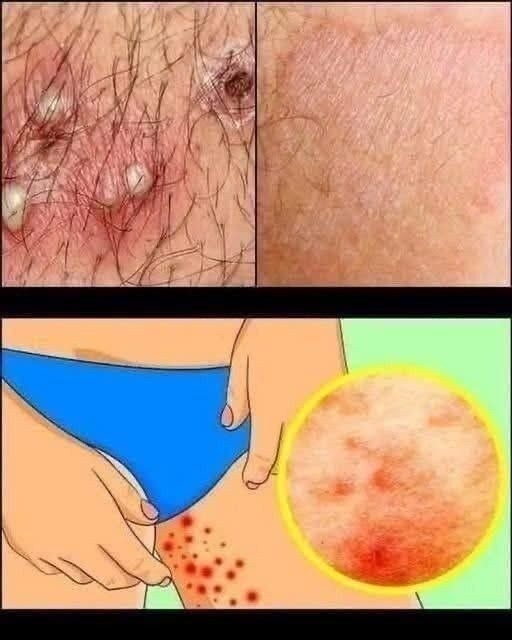
The Consequences of Sleeping on an Unhygienic Bedsheet: What You Need to Know
We spend nearly one-third of our lives sleeping, so the cleanliness of our bedsheets is more than just a matter of comfort—it directly affects health, skin, and sleep quality. Sleeping on dirty or unhygienic bedsheets can have surprising consequences that many people overlook.
Here’s a comprehensive guide on what can happen when you neglect bed hygiene and tips to keep your sleep environment safe and healthy.
1. Skin Problems and Irritations
How It Happens:
-
Sweat, dead skin cells, and body oils accumulate on sheets.
-
Bacteria and fungi feed on this organic matter.
Potential Consequences:
-
Acne or pimples, especially on the back and chest
-
Itchy rashes or dermatitis
-
Exacerbation of eczema or sensitive skin conditions
Tip: Wash bedsheets at least once a week to prevent bacterial buildup and skin issues.
2. Allergies and Respiratory Problems
How It Happens:
-
Dust mites thrive in dirty bedding.
-
Their droppings and shed skin trigger allergic reactions.
Symptoms You Might Notice:
-
Sneezing and runny nose
-
Coughing and wheezing
-
Red or itchy eyes
-
Worsening of asthma symptoms
Scientific Note:
-
Dust mites are a common indoor allergen, and unhygienic sheets are a prime breeding ground.
3. Unpleasant Odors
How It Happens:
-
Sweat, body oils, and spilled food or drinks create odor.
-
Bacteria break down these organic substances, producing foul smells.
Impact:
-
Uncomfortable sleeping environment
-
May affect mood and sleep quality
Tip: Even if your sheets “look clean,” they can harbor odors invisible to the eye.
4. Increased Risk of Infections
How It Happens:
-
Dirty sheets can host bacteria, viruses, and fungi.
-
Cuts, scratches, or weakened immune systems can make you more susceptible.
Potential Infections:
-
Fungal infections like athlete’s foot
-
Skin infections such as staph or folliculitis
-
Eye infections if pillowcases carry bacteria near your face
Tip: Avoid eating or drinking in bed to reduce microbial buildup.
5. Poor Sleep Quality
How It Happens:
-
Uncomfortable, itchy, or smelly sheets make it hard to relax.
-
Allergens trigger nighttime sneezing or coughing.
Impact:
-
Difficulty falling or staying asleep
-
Feeling unrested even after a full night
-
Mood disturbances and decreased productivity
Clean sheets are psychologically comforting and promote better deep sleep.
6. Accelerated Wear of Bedding
How It Happens:
-
Sweat and dirt can break down fabric fibers over time.
-
Stains and grime can make sheets look old and worn faster.
Tip: Regular washing extends the life of your bedding and keeps it soft and comfortable.
How Often Should You Wash Bedsheets?
-
Normal use: At least once a week
-
Hot climates or heavy sweating: 2–3 times per week
-
Illness: Immediately after recovery
-
Pets on the bed: Weekly or more frequently
Use hot water and mild detergent to kill bacteria and dust mites effectively.
Additional Tips for Hygienic Bedding
-
Wash pillowcases, duvet covers, and blankets regularly
-
Avoid eating in bed
-
Keep pets off the bed if possible
-
Use a mattress protector and wash it periodically
Conclusion
Sleeping on unhygienic bedsheets might seem harmless, but it can trigger skin problems, allergies, infections, and poor sleep. Regular washing and proper bedding care are simple steps that protect your health, improve comfort, and extend the life of your sheets.
Your bed should be your sanctuary, not a source of germs. Clean sheets = healthy, restful sleep.