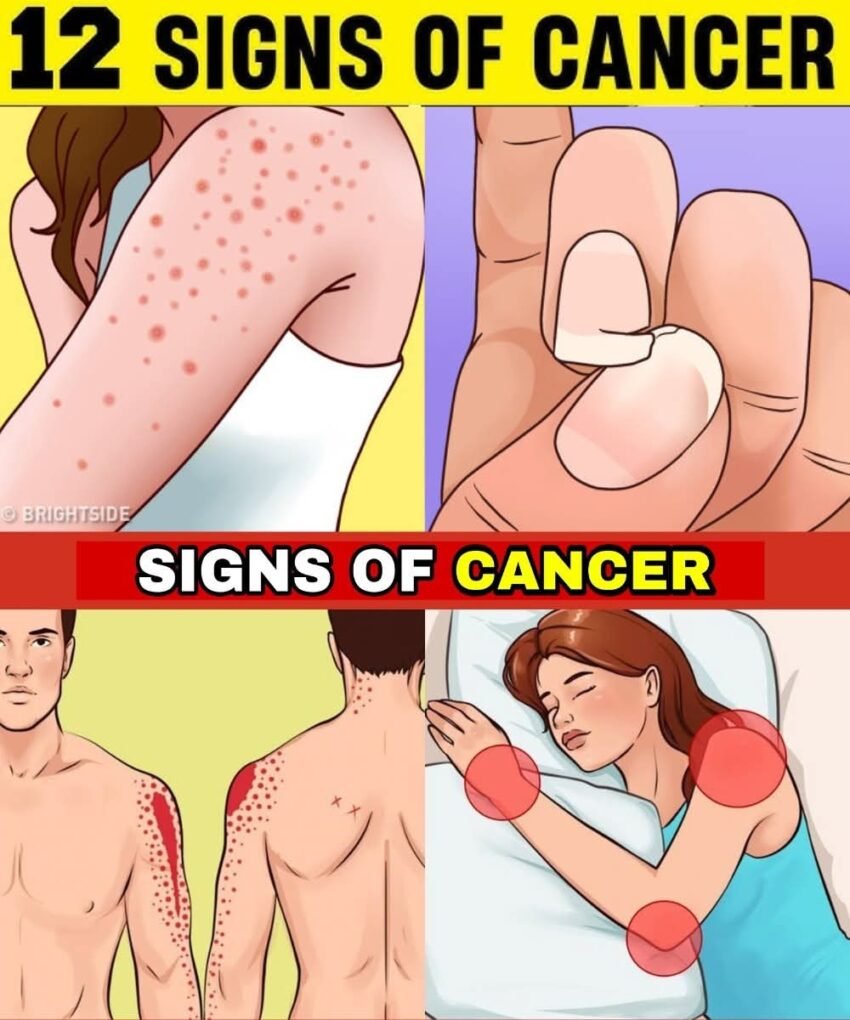
12 Early Warning Signs Your Body May Be Developing Cancer Cells
Meta Description: Early detection can save lives. Learn the 12 warning signs that may indicate your body is developing cancer and when to seek medical attention.
Cancer is one of the leading causes of death worldwide, but early detection can dramatically improve outcomes. Many types of cancer start silently, with subtle symptoms that are easy to ignore. Recognizing early warning signs can empower you to take action before the disease progresses.
Here are 12 signs your body may be developing cancer cells, based on medical research and guidance from organizations like the American Cancer Society and Mayo Clinic.
1. Unexplained Fatigue
-
Persistent fatigue that doesn’t improve with rest may signal early cancer.
-
Cancer cells can drain your body’s energy and affect blood counts.
-
If fatigue is accompanied by pale skin, shortness of breath, or weakness, consult a doctor.
2. Unexplained Weight Loss
-
Losing 5% or more of body weight in a few months without dieting can be a warning sign.
-
Common in cancers like pancreatic, stomach, or lung cancer.
-
Combine with other symptoms for early evaluation.
3. Changes in Skin
-
New moles, dark spots, or changes in size/color may indicate skin cancer (melanoma).
-
Yellowing of the skin or eyes (jaundice) can indicate liver or pancreatic issues.
-
Persistent itching or sores that don’t heal may also be concerning.
4. Unusual Bleeding or Bruising
-
Blood in urine, stool, or cough phlegm should be evaluated.
-
Heavy or irregular menstrual bleeding can indicate uterine or ovarian issues.
-
Easy bruising may be linked to blood-related cancers like leukemia.
5. Persistent Cough or Hoarseness
-
A cough that lasts more than three weeks or changes in voice may indicate lung or throat cancer.
-
Especially concerning in smokers or people with prolonged respiratory symptoms.
6. Persistent Pain
-
Unexplained or chronic pain can be a sign of cancer affecting bones, organs, or nerves.
-
Back or abdominal pain may indicate pancreatic, kidney, or gastrointestinal cancers.
7. Lumps or Swelling
-
Lumps in breasts, neck, armpits, or groin can indicate early tumors.
-
Even painless lumps should be evaluated promptly.
-
Swollen lymph nodes may indicate immune system or blood-related cancers.
8. Digestive Changes
-
Persistent constipation, diarrhea, or changes in stool color or shape may signal gastrointestinal cancers.
-
Difficulty swallowing or persistent indigestion is also a warning.
9. Unexplained Fever or Night Sweats
-
Low-grade fever that persists without infection may be linked to blood cancers like leukemia or lymphoma.
-
Night sweats soaking your sleepwear could also indicate early warning signs.
10. Changes in Oral Health
-
Mouth sores that don’t heal or bleeding gums may signal oral cancers.
-
Persistent changes in tongue color or texture should also be checked.
11. Neurological Symptoms
-
Persistent headaches, vision changes, or numbness/tingling may indicate brain or nerve-related tumors.
-
Sudden changes in balance, coordination, or speech should prompt immediate evaluation.
12. Recurrent Infections
-
Frequent infections may indicate a weakened immune system caused by blood cancers or other early-stage tumors.
-
Monitor for persistent infections that don’t respond to treatment.
Important Notes
-
Having one of these symptoms doesn’t automatically mean cancer, but persistent or unexplained signs should never be ignored.
-
Early detection dramatically increases treatment success rates.
-
Regular check-ups, screenings, and self-examinations are critical for prevention.
When to See a Doctor
Seek medical attention if you notice:
-
Persistent or unexplained fatigue, pain, or weight loss
-
Lumps or abnormal bleeding
-
Chronic cough or digestive changes
-
Changes in skin, mouth, or neurological function
Early evaluation can save lives. Don’t wait for symptoms to worsen.
Bottom Line
Cancer often develops silently, but recognizing early warning signs can make a life-saving difference. By paying attention to your body, maintaining regular screenings, and consulting a doctor promptly, you can detect potential issues early and improve outcomes.
“Your body communicates with you—subtle changes may be early warnings. Listen, act, and prioritize your health.”