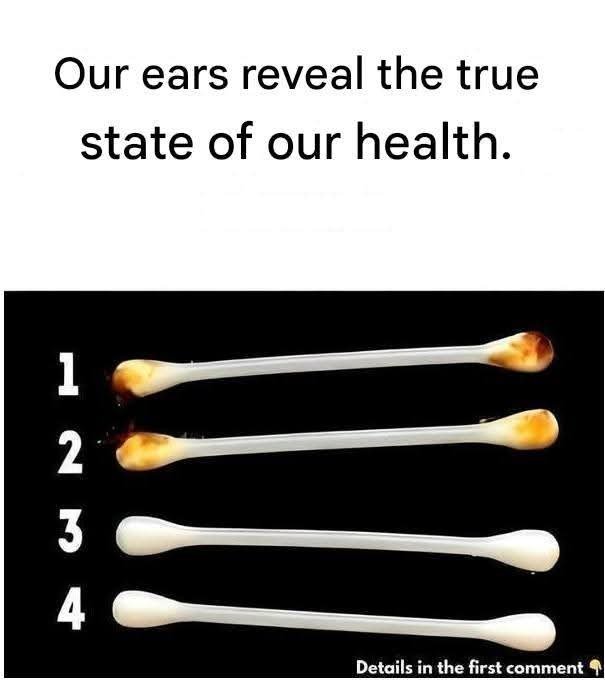
Our Ears Reveal the True State of Our Health: What Your Ears May Be Telling You
Your ears do far more than help you hear. Subtle changes in their shape, color, sensation, or function can sometimes reflect what’s happening inside your body. While ears alone can’t diagnose illness, they often provide early clues that something may be off—especially when combined with other symptoms.
Let’s explore what science and medicine say about the surprising connection between ear health and overall body health, without exaggeration or fear-based claims.
Why the Ears Are a Window Into Health
The ears are rich in:
-
Blood vessels
-
Nerves
-
Connective tissue
-
Sensory receptors
They’re closely linked to the brain, balance system, and circulatory system. Because of this, changes in the ears can sometimes reflect issues related to circulation, inflammation, nerve function, and even metabolic health.
1. Ear Color Changes and Circulation
What it may indicate:
-
Red or flushed ears: Temporary heat, stress, or hormonal changes are common causes
-
Pale or bluish ears: May reflect poor circulation or cold sensitivity
Occasional color changes are normal. Persistent or unexplained changes—especially when paired with dizziness or fatigue—deserve attention.
2. Ear Creases and Cardiovascular Research
A diagonal crease on the earlobe (sometimes called Frank’s sign) has been studied for a possible association with cardiovascular risk.
Important clarification:
-
This crease does not cause heart disease
-
It is not a diagnosis
-
Many people with the crease are perfectly healthy
However, some studies suggest it may correlate with aging and vascular changes, which is why doctors consider it one small clue—never a conclusion.
3. Ringing in the Ears (Tinnitus)
Persistent ringing, buzzing, or humming can be linked to:
-
Noise exposure
-
Stress and anxiety
-
Blood pressure changes
-
Inner ear or nerve irritation
Tinnitus is common and often manageable, but sudden or worsening symptoms should be medically evaluated.
4. Earwax Can Reflect Lifestyle and Environment
Earwax (cerumen) is protective and healthy. Its texture and buildup can vary based on:
-
Diet
-
Skin type
-
Environment
-
Genetics
Excessive buildup may cause temporary hearing issues, but aggressive cleaning can do more harm than good.
5. Ear Pain Without Infection
When ear pain appears without signs of infection, it may be referred pain from:
-
Jaw tension or teeth grinding
-
Sinus congestion
-
Neck or posture issues
The ears share nerve pathways with the jaw, throat, and neck—so discomfort doesn’t always originate in the ear itself.
6. Balance Issues and Inner Ear Health
The inner ear plays a major role in balance. Problems here may show up as:
-
Dizziness
-
Vertigo
-
Nausea
-
Feeling “off-balance”
These symptoms can be linked to dehydration, inner ear inflammation, or neurological conditions and should never be ignored if persistent.
7. Itchy or Flaky Ears and Skin Health
Dry, itchy, or flaky skin around the ears may reflect:
-
Eczema or psoriasis
-
Allergic reactions
-
Environmental dryness
Skin conditions often show up in the ears early because the skin there is thin and sensitive.
8. Sudden Hearing Changes Are a Medical Priority
Gradual hearing changes are common with age, but sudden hearing loss or pressure is not something to “wait out.”
Prompt evaluation can:
-
Prevent permanent damage
-
Identify underlying causes early
-
Improve treatment outcomes
What Ears Cannot Do
It’s important to be realistic.
Your ears:
-
❌ Do not diagnose diseases on their own
-
❌ Do not replace blood tests or medical exams
-
❌ Do not predict the future of your health
They simply offer signals, not answers.
How to Support Ear and Overall Health
-
Protect hearing from loud noise
-
Stay hydrated
-
Manage stress
-
Maintain good posture and jaw health
-
Avoid inserting objects into the ear canal
-
Get regular health checkups
Small daily habits make a big difference over time.
When to See a Healthcare Professional
Seek medical advice if you notice:
-
Sudden hearing loss
-
Persistent ringing or dizziness
-
Ongoing pain or discharge
-
Noticeable changes that don’t resolve
Early evaluation is always better than waiting.
Final Thoughts
Your ears don’t tell the whole story—but they can whisper important hints about your body’s internal balance. Paying attention to changes, without panic or self-diagnosis, is part of listening to your body wisely.
Health awareness starts with observation—and sometimes, that begins right at your ears.
If you found this helpful, feel free to share it. Someone else might notice a small sign today that leads to better health tomorrow. 👂💙