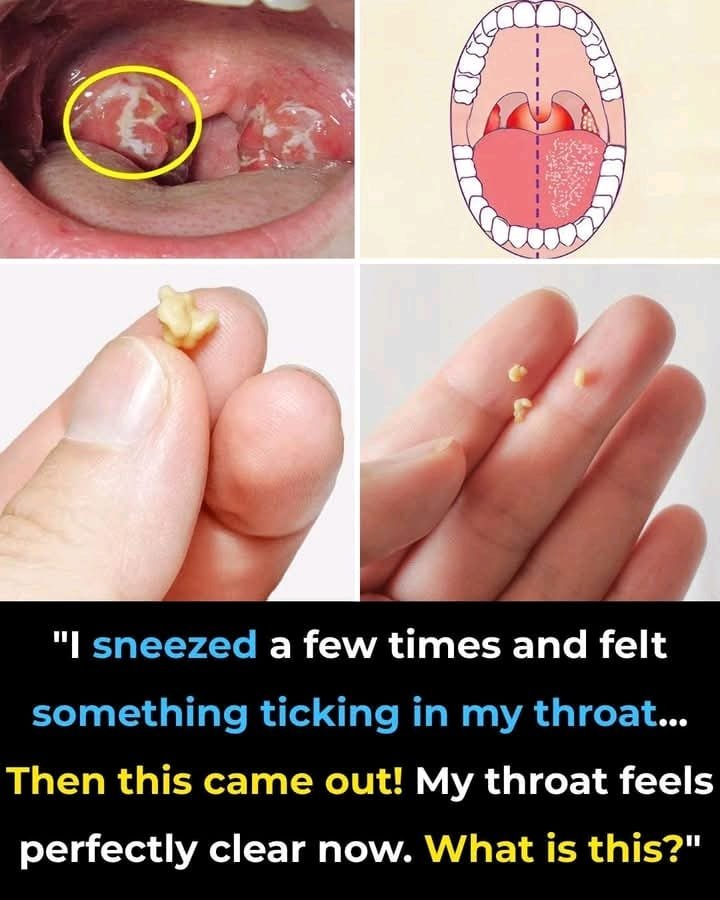
Here’s What You Need to Know About Tonsil Stones
Causes, Symptoms, and Simple Ways to Manage Them
Tonsil stones—also called tonsilloliths—are small, hard deposits that form in the crevices of your tonsils. While they’re usually harmless, they can be uncomfortable, annoying, and sometimes smelly. Understanding what causes them and how to prevent or manage them can save you a lot of irritation.
Here’s a detailed, easy-to-follow guide.
What Are Tonsil Stones?
Tonsil stones are calcified debris that get trapped in the tonsils’ crypts (small pockets in the tissue). Over time, trapped particles like food, dead cells, and bacteria harden into small, white or yellowish formations.
They vary in size:
-
Tiny grains you barely notice
-
Pebble-sized stones that can cause discomfort
While they are more common in adults, anyone with tonsils can develop them.
Causes of Tonsil Stones
Several factors contribute to tonsil stone formation:
-
Poor Oral Hygiene
Plaque and bacteria buildup in the mouth can increase debris accumulation in tonsil crypts. -
Chronic Tonsillitis or Inflammation
Swollen tonsils with deep crypts trap more material. -
Post-Nasal Drip
Mucus and bacteria from sinus drainage can collect in the tonsils. -
Large Tonsil Size or Deep Crypts
Some people are more prone due to anatomy. -
Diet
Sticky, sugary, or dairy-heavy diets can promote bacterial growth in the mouth.
Common Symptoms
Tonsil stones can be asymptomatic—you might not even know you have them. When symptoms occur, they can include:
-
Bad breath (halitosis)
-
Sore throat or irritation
-
Difficulty swallowing
-
Ear pain (referred pain from the tonsils)
-
Visible white or yellow stones in the tonsils
-
Feeling of something stuck in the throat
How to Remove Tonsil Stones
Most tonsil stones are small and harmless, but they can be removed if bothersome.
At-Home Methods
-
Gargling
-
Warm salt water helps dislodge stones and reduce bacteria.
-
-
Gentle Extraction
-
Use a cotton swab or toothbrush carefully (avoid injuring tissue).
-
-
Oral Irrigators
-
Low-pressure water flossers can flush stones from tonsil crypts.
-
-
Maintain Oral Hygiene
-
Brush, floss, and rinse regularly to prevent recurrence.
-
When to See a Doctor
-
Stones are large, recurring, or painful
-
You experience frequent tonsillitis
-
Difficulty swallowing or persistent bad breath
Doctors may suggest:
-
Professional removal
-
Laser or surgical reduction of tonsil crypts
-
Tonsillectomy in severe, recurrent cases
Prevention Tips
-
Brush and floss regularly
-
Use alcohol-free mouthwash to reduce bacteria
-
Stay hydrated to keep the mouth moist
-
Gargle with salt water after meals
-
Avoid excessive dairy if prone to stones (it can increase mucus)
Myths About Tonsil Stones
-
❌ They are contagious – Tonsil stones are not infectious.
-
❌ They always require surgery – Most can be managed with home care.
-
❌ They indicate poor hygiene alone – While hygiene matters, anatomy and other factors also play a role.
When Tonsil Stones Could Signal Something More
While rare, persistent stones could indicate:
-
Chronic tonsillitis
-
Tonsil abscesses
-
Other oral health issues
Regular dental and ENT checkups help rule out serious complications.
Final Thoughts
Tonsil stones are common and usually harmless, but they can be uncomfortable or embarrassing. The key is good oral hygiene, hydration, and careful removal.
If they keep returning or cause pain, a professional evaluation is the safest approach.
With a few simple habits, you can prevent recurrence and keep your throat feeling fresh.
Bad breath or discomfort from tonsil stones doesn’t have to be a daily nuisance—take small, consistent steps, and you’ll notice the difference.