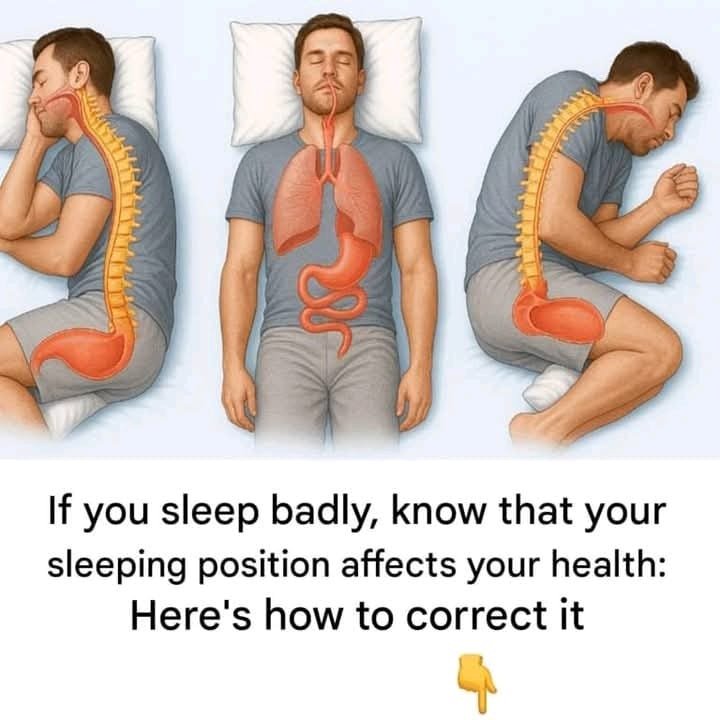
Sleeping in the Right Position: A Little-Known Secret for Your Well-Being
Sleep is one of the most important factors for health, yet most people overlook how their sleeping position affects overall well-being. The way you position your body at night can influence digestion, circulation, spine alignment, and even mental health.
Here’s what science and practical experience reveal about sleeping positions and why choosing the right one can transform how you feel every day.
Why Your Sleep Position Matters
Your body spends roughly one-third of life asleep, making posture during rest more important than many realize. The position you sleep in can affect:
-
Spine and neck alignment – Poor alignment can lead to chronic pain.
-
Digestion and reflux – Certain positions ease acid flow and support digestion.
-
Heart and circulation – Gravity interacts differently with organs depending on your side.
-
Breathing quality – Airway openness affects snoring and oxygen intake.
-
Mental recovery – Restorative sleep positions can reduce stress and improve focus.
The Best Sleeping Positions for Well-Being
1. Left-Side Sleeping
Benefits:
-
Supports digestion by letting food move naturally through the intestines.
-
Reduces acid reflux by keeping the stomach below the esophagus.
-
May promote heart health by easing circulation and reducing pressure on major blood vessels.
Ideal For:
-
People with heartburn
-
Pregnant individuals
-
Those looking to improve digestion
2. Right-Side Sleeping
Benefits:
-
Can relieve pressure on the liver
-
Comfortable for general side sleepers
Caution:
-
May worsen acid reflux in some people
-
Less beneficial for heart health compared to the left side
3. Back Sleeping (Supine Position)
Benefits:
-
Keeps spine, neck, and head aligned naturally
-
Reduces wrinkles caused by pillow pressure on the face
-
Minimizes acid reflux if the head is slightly elevated
Caution:
-
Can worsen snoring or sleep apnea
-
Not recommended for people with breathing difficulties
Tips for Comfort:
-
Place a pillow under your knees to maintain lumbar curve
-
Use a supportive pillow for neck alignment
4. Stomach Sleeping
Benefits:
-
Can reduce snoring temporarily
-
Feels cozy for some sleepers
Caution:
-
Strains neck and spine
-
Can lead to chronic back pain
-
Pressure on internal organs over time
Tips:
-
Use a thin pillow or no pillow to reduce neck strain
-
Consider side sleeping as a safer alternative
Small Adjustments to Improve Sleep Quality
-
Use Pillows Strategically
-
Side sleepers: Pillow between knees
-
Back sleepers: Pillow under knees
-
Neck support: Ensure pillow fills the gap between head and mattress
-
-
Elevate Your Head for Reflux or Congestion
-
Raising the upper body slightly reduces acid reflux and nasal congestion.
-
-
Maintain Neutral Spine Alignment
-
Avoid twisting your body or tucking your head too far forward.
-
-
Switch Sides Occasionally
-
Alternating sides can prevent joint pressure and muscle stiffness.
-
How Sleep Position Impacts Long-Term Health
-
Digestive Health: Left-side sleeping improves waste elimination and reduces reflux.
-
Heart Function: Proper positioning reduces pressure on the heart and improves blood flow.
-
Musculoskeletal Health: Neutral alignment prevents back, shoulder, and neck pain.
-
Mental Well-Being: Comfortable sleep reduces stress hormones and improves mood and focus.
Final Thoughts
Sleeping in the right position is a simple yet powerful tool for improving health. While individual comfort matters most, science shows that left-side or properly supported back sleeping generally offers the best benefits.
Paying attention to your sleeping position is not just about comfort—it’s about supporting your body’s natural processes for better digestion, circulation, and rest.
Your sleep posture could be the little-known secret to waking up refreshed, energized, and pain-free every day.