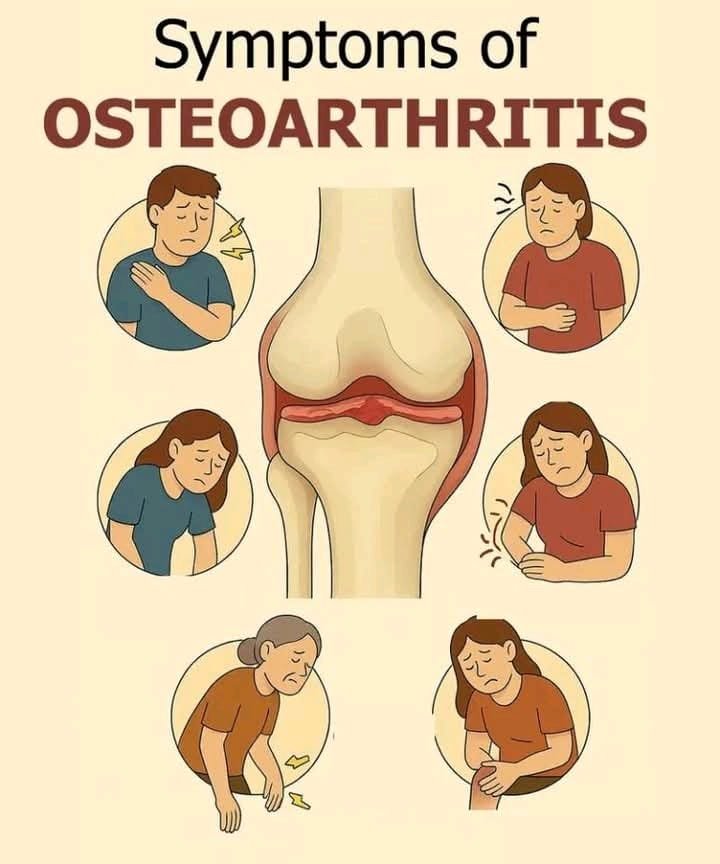
Symptoms of Osteoarthritis: What You Need to Know
How to Recognize Early Signs and Protect Your Joints
Osteoarthritis (OA) is the most common form of arthritis, affecting millions of people worldwide. It occurs when the protective cartilage in your joints wears down over time, leading to pain, stiffness, and reduced mobility. While it most often affects people over 40, early detection can help manage symptoms and improve quality of life.
Here’s a complete guide to understanding the symptoms of osteoarthritis and what to watch for.
What Is Osteoarthritis?
Osteoarthritis is a degenerative joint disease that primarily affects the:
-
Knees
-
Hips
-
Hands
-
Spine
It develops gradually and is caused by a combination of:
-
Aging
-
Joint overuse or injury
-
Genetics
-
Obesity (increased stress on weight-bearing joints)
Unlike rheumatoid arthritis, osteoarthritis is not an autoimmune disease, but it can severely impact mobility and daily life.
Early Symptoms of Osteoarthritis
1. Joint Pain
-
Pain is usually worse after activity or at the end of the day
-
May improve with rest but return with movement
-
Commonly affects knees, hips, hands, and spine
Tip: Persistent joint pain lasting more than a few weeks should be evaluated by a doctor.
2. Stiffness
-
Stiffness is most noticeable in the morning or after periods of inactivity
-
Usually improves within 30 minutes of movement
-
Can affect daily activities like bending, walking, or gripping objects
3. Swelling and Tenderness
-
Joints may appear slightly swollen or feel tender to the touch
-
Swelling is typically mild compared to inflammatory arthritis
-
Often worsens after prolonged activity
4. Reduced Range of Motion
-
Difficulty bending or straightening joints
-
Feeling “locked” or unable to move joints smoothly
-
May make simple tasks like climbing stairs or opening jars challenging
5. Crepitus (Grinding or Popping Sounds)
-
A grating sensation or noise when moving affected joints
-
Caused by rough cartilage surfaces rubbing together
-
Often accompanied by mild pain
6. Bone Spurs
-
Extra bony growths may develop around affected joints
-
Can be felt as hard lumps near the joint edges
-
May contribute to stiffness and discomfort
7. Joint Deformity (Advanced OA)
-
Over time, joints may appear enlarged, misaligned, or knobby
-
Common in fingers (Heberden’s and Bouchard’s nodes)
-
Usually a sign of long-term joint degeneration
Other Signs to Watch For
-
Fatigue due to chronic pain
-
Mild inflammation in some joints
-
Difficulty performing everyday tasks
When to See a Doctor
Seek medical advice if you experience:
-
Persistent joint pain or swelling
-
Stiffness lasting more than 30 minutes in the morning
-
Difficulty moving or using your joints
-
Symptoms interfering with daily life
Early diagnosis allows for non-surgical interventions, including physical therapy, medications, or lifestyle adjustments.
Tips for Managing Osteoarthritis Symptoms
-
Maintain a healthy weight to reduce stress on weight-bearing joints
-
Exercise regularly with low-impact activities like swimming, cycling, or walking
-
Strengthen muscles around joints to provide support
-
Use heat or cold therapy to relieve pain and stiffness
-
Take prescribed medications like pain relievers or anti-inflammatories as directed
-
Consider joint supplements (like glucosamine or chondroitin) after consulting a doctor
Final Thought
Osteoarthritis develops gradually, and early symptoms can be subtle. Recognizing pain, stiffness, or reduced mobility early allows you to take action to protect your joints and maintain quality of life.
With lifestyle adjustments, medical guidance, and regular monitoring, many people with osteoarthritis can stay active, mobile, and independent well into later years.