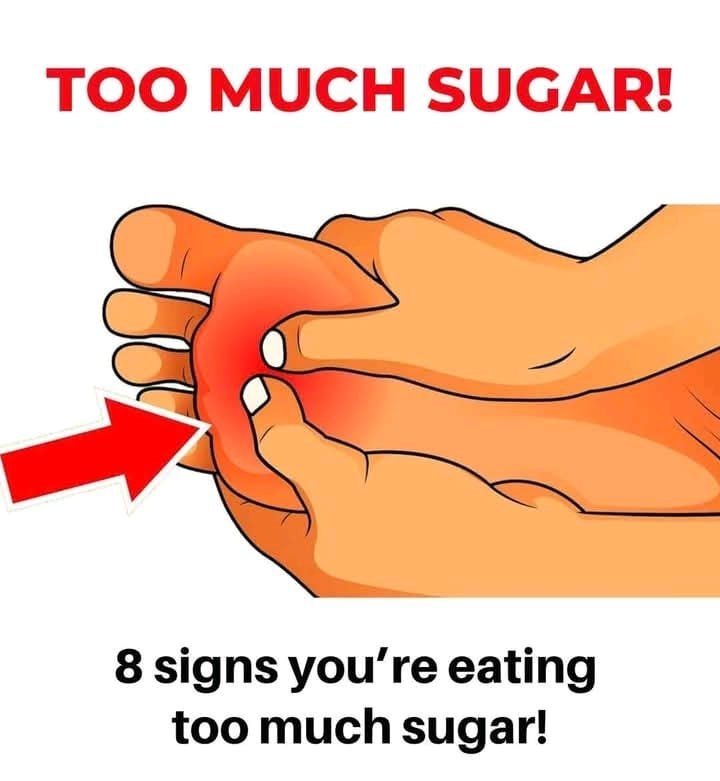
Diabetes Symptoms at Night: Top 8 Signs of High Blood Sugar That Get Worse After 10 PM
Introduction: Why Do Diabetes Symptoms Feel Worse at Night?
Many people living with diabetes—or those at risk—notice something unsettling:
their symptoms seem stronger, more uncomfortable, or more noticeable at night, especially after 10 PM.
You may feel unusually thirsty, wake up repeatedly to urinate, experience restless sleep, or sense that “something isn’t right” when your body should be winding down.
This isn’t your imagination.
Nighttime is a critical period for blood sugar regulation, and when glucose levels stay high, the body often sends distress signals after dark.
In this article, we’ll break down:
-
Why high blood sugar symptoms worsen at night
-
The top 8 nighttime warning signs to watch for
-
What’s happening inside your body after 10 PM
-
Practical steps to reduce nighttime blood sugar spikes
-
When to seek medical advice
This guide is educational and supportive, not alarmist—designed to help you understand your body better.
Why Blood Sugar Problems Show Up More at Night
Several biological and lifestyle factors contribute to nighttime blood sugar issues:
1. Reduced Physical Activity
After dinner, most people sit or lie down. Less movement means glucose stays in the bloodstream longer.
2. Hormonal Changes During Sleep
Hormones like cortisol and growth hormone can raise blood sugar levels overnight, especially in people with insulin resistance.
3. Late-Night Eating Habits
Heavy dinners, sugary snacks, or refined carbohydrates consumed in the evening can cause delayed glucose spikes.
4. Dehydration
People often drink less water at night, intensifying symptoms like thirst and dry mouth.
Top 8 Nighttime Symptoms of High Blood Sugar
1. Excessive Thirst (Polydipsia)
One of the earliest and most common nighttime signs is intense thirst.
You may:
-
Wake up with a dry mouth
-
Feel the need to drink water repeatedly
-
Still feel thirsty despite drinking
This happens because high glucose pulls fluid from your tissues, leaving your body dehydrated.
2. Frequent Urination at Night (Nocturia)
If you’re waking up multiple times to use the bathroom, high blood sugar may be the cause.
When glucose levels rise:
-
Your kidneys work harder to flush out excess sugar
-
More urine is produced
-
Sleep becomes fragmented
This cycle can significantly disrupt rest and recovery.
3. Restless or Poor-Quality Sleep
High blood sugar can interfere with the body’s natural sleep rhythm.
You may experience:
-
Difficulty falling asleep
-
Frequent awakenings
-
Light, unrefreshing sleep
Poor sleep, in turn, worsens insulin resistance—creating a vicious cycle.
4. Night Sweats
Waking up drenched in sweat isn’t always related to room temperature.
Blood sugar fluctuations can trigger:
-
Overactivation of the nervous system
-
Sudden sweating episodes
-
Discomfort that disrupts sleep
While night sweats can have multiple causes, persistent episodes may warrant closer attention.
5. Headaches Late at Night or Early Morning
High blood sugar can affect blood flow and hydration, leading to headaches.
These headaches often:
-
Appear late at night
-
Occur upon waking
-
Improve slightly after drinking water
They are sometimes mistaken for stress or lack of sleep.
6. Tingling or Burning Sensations in Hands and Feet
Nerve irritation can become more noticeable at night when distractions are gone.
You might feel:
-
Pins and needles
-
Burning sensations
-
Mild numbness
This symptom is associated with prolonged elevated glucose levels affecting nerve health.
7. Blurred Vision at Night
High blood sugar can cause fluid shifts in the eyes, temporarily altering vision.
At night, this may feel worse because:
-
Eyes are already strained from screens
-
Lighting is lower
-
Focus changes become more noticeable
Blurred vision that comes and goes should never be ignored.
8. Unusual Fatigue or Weakness Before Bed
Instead of feeling relaxed, you may feel:
-
Drained
-
Heavy-limbed
-
Mentally foggy
High glucose prevents cells from using energy efficiently, leaving the body tired despite adequate rest.
Why Symptoms Often Appear After 10 PM
After 10 PM, several things happen simultaneously:
-
Physical activity drops
-
Digestion slows
-
Hormonal shifts occur
-
The body transitions into repair mode
If blood sugar remains elevated during this window, symptoms become harder to ignore because the body is no longer distracted by daytime activity.
Common Mistakes That Make Nighttime Symptoms Worse
Many people unknowingly worsen nighttime blood sugar by:
-
Eating large, carb-heavy dinners
-
Snacking late at night
-
Skipping evening medication or monitoring
-
Drinking sugary beverages at night
-
Going to bed immediately after eating
Small habit changes can make a meaningful difference.
Practical Tips to Reduce Nighttime Blood Sugar Spikes
1. Eat Dinner Earlier
Aim to finish your last major meal at least 2–3 hours before bedtime.
2. Balance Your Evening Meals
Include:
-
Lean protein
-
Fiber-rich vegetables
-
Healthy fats
Avoid heavy refined carbohydrates late at night.
3. Stay Hydrated
Drink water consistently throughout the evening—but taper slightly before bed to reduce nighttime urination.
4. Light Evening Movement
A short walk after dinner can help glucose move into muscles more efficiently.
5. Monitor Patterns
If you track blood sugar, pay attention to nighttime trends rather than single readings.
When to Talk to a Healthcare Professional
You should seek medical guidance if:
-
Nighttime symptoms are persistent
-
Sleep disruption is severe
-
Symptoms worsen over time
-
You experience vision changes or numbness
Early guidance can help prevent long-term complications.
Frequently Asked Questions
1. Are nighttime symptoms always a sign of diabetes?
No, but persistent symptoms should be evaluated by a professional.
2. Can stress raise blood sugar at night?
Yes. Stress hormones can elevate glucose levels even during sleep.
3. Is waking up thirsty always related to sugar levels?
Not always, but frequent thirst combined with other symptoms may be a clue.
4. Why does fatigue feel worse at night?
Cells struggle to access energy efficiently when glucose regulation is impaired.
5. Can poor sleep affect blood sugar the next day?
Yes. Lack of sleep can increase insulin resistance.
6. Do symptoms differ between men and women?
Symptoms are generally similar, though hormonal differences may influence intensity.
7. Is late-night snacking a major factor?
It can be, especially when snacks are high in sugar or refined carbs.
8. Can these symptoms appear before diagnosis?
Yes. Many people notice nighttime symptoms before being formally diagnosed.
Final Thoughts: Listen to What Your Body Tells You at Night
Nighttime symptoms are often quieter—but more honest.
When the day slows down, your body has space to signal imbalance. Paying attention to thirst, sleep quality, fatigue, and nighttime discomfort can provide valuable insight into your overall health.
Awareness is not fear—it’s empowerment.
Call to Action
If this article helped you:
-
Share it with someone who struggles with nighttime symptoms
-
Start observing your evening habits
-
Seek professional advice when something feels off
Your health doesn’t clock out after 10 PM—and neither should your awareness.