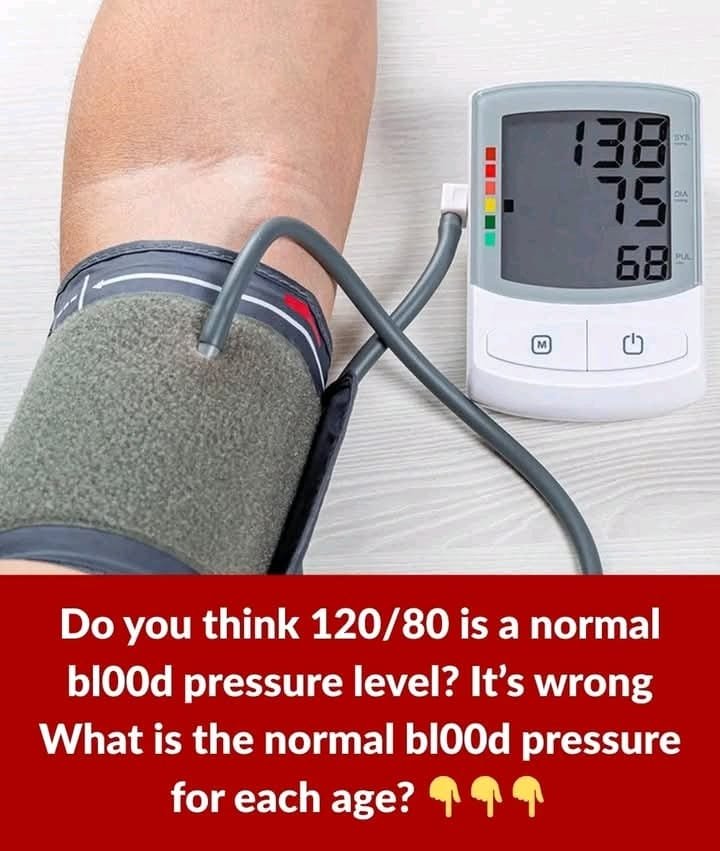
What Is the Normal Blood Pressure for Each Age?
Learn what normal blood pressure looks like at every age, why it changes over time, and when high or low readings need attention.
Introduction: Why Blood Pressure Numbers Matter at Every Age
Blood pressure is one of the most important indicators of overall health, yet it’s often misunderstood. Many people assume there’s one “perfect” number for everyone—but normal blood pressure can vary depending on age, health status, and individual circumstances.
Understanding what’s considered normal at different stages of life helps you:
-
Detect potential problems early
-
Reduce the risk of heart disease and stroke
-
Make informed lifestyle and healthcare decisions
This guide explains normal blood pressure ranges by age, what the numbers mean, and when it’s time to talk to a healthcare professional.
This article is for educational purposes only and does not replace medical advice.
What Do Blood Pressure Numbers Mean?
Blood pressure is measured using two numbers:
Systolic Pressure (Top Number)
-
Measures pressure when the heart beats
-
Indicates how hard the heart is working
Diastolic Pressure (Bottom Number)
-
Measures pressure when the heart rests between beats
-
Reflects resistance in blood vessels
Blood pressure is written like this: 120/80 mmHg
Normal Blood Pressure Categories (Adults)
According to widely used clinical guidelines:
| Category | Systolic | Diastolic |
|---|---|---|
| Normal | Below 120 | Below 80 |
| Elevated | 120–129 | Below 80 |
| High (Stage 1) | 130–139 | 80–89 |
| High (Stage 2) | 140+ | 90+ |
| Low | Below 90 | Below 60 |
These categories apply mainly to adults aged 18 and older.
Normal Blood Pressure by Age Group
Children (Ages 1–12)
Blood pressure in children varies based on:
-
Age
-
Height
-
Sex
As a general reference:
-
Typical range: 90/50 to 110/70
Pediatric blood pressure is evaluated using growth charts rather than fixed numbers.
Teenagers (Ages 13–17)
By adolescence, blood pressure begins to resemble adult values.
-
Normal range: 95/60 to 120/80
Readings consistently above this range should be evaluated, especially with obesity or family history.
Young Adults (Ages 18–39)
This is often when blood pressure is at its healthiest.
-
Ideal range: 110/70 to 120/80
Lifestyle habits formed here strongly influence long-term heart health.
Middle-Aged Adults (Ages 40–59)
Blood pressure may begin to rise due to:
-
Stiffer blood vessels
-
Weight changes
-
Stress and inactivity
-
Healthy range: 115/75 to 130/85
Consistently higher readings may signal early hypertension.
Older Adults (Ages 60 and Above)
With aging, arteries naturally lose elasticity.
-
Common healthy range: 120/70 to 140/90
Doctors often focus on:
-
Preventing dangerously high pressure
-
Avoiding overly low pressure that increases fall risk
Treatment goals may be individualized.
Why Blood Pressure Changes With Age
Several factors influence blood pressure over time:
-
Reduced arterial flexibility
-
Hormonal changes
-
Chronic inflammation
-
Medication use
-
Activity level
This is why context matters more than a single reading.
What Is Considered Low Blood Pressure?
Low blood pressure (hypotension) is usually defined as:
-
Below 90/60
It may cause:
-
Dizziness
-
Fainting
-
Fatigue
-
Blurred vision
However, some people naturally have low readings without symptoms.
When High Blood Pressure Becomes a Concern
High blood pressure often has no symptoms, earning it the nickname “the silent condition.”
Long-term uncontrolled high blood pressure increases the risk of:
-
Heart disease
-
Stroke
-
Kidney disease
-
Vision problems
Regular monitoring is essential.
How to Measure Blood Pressure Correctly
For accurate readings:
-
Sit quietly for 5 minutes
-
Keep feet flat on the floor
-
Support your arm at heart level
-
Avoid caffeine or exercise 30 minutes prior
Home monitoring can help track trends over time.
Lifestyle Tips to Maintain Healthy Blood Pressure
Healthy blood pressure is influenced more by habits than age alone.
Helpful Daily Practices
-
Eat a balanced, low-sodium diet
-
Stay physically active
-
Maintain a healthy weight
-
Manage stress
-
Sleep well
-
Limit alcohol
-
Avoid smoking
Small changes can lead to meaningful improvements.
Common Myths About Blood Pressure
-
“High blood pressure is only an old-age problem” – False
-
“You’ll feel symptoms if it’s high” – Often false
-
“Medication is the only solution” – Lifestyle matters greatly
Knowledge empowers prevention.
Frequently Asked Questions (FAQs)
Is 120/80 always ideal?
It’s considered normal for most adults, but individual targets may vary.
Can blood pressure be too low in older adults?
Yes. Very low pressure can increase fall risk.
Does stress temporarily raise blood pressure?
Yes, but chronic stress can cause long-term elevation.
How often should blood pressure be checked?
At least once a year, or more often if advised.
Can diet alone control blood pressure?
Diet plays a major role, but it’s part of a broader lifestyle approach.
Is high blood pressure reversible?
In many cases, it can be improved with lifestyle changes and treatment.
Does exercise help lower blood pressure?
Yes—regular activity improves heart and vessel health.
Are readings different at home vs. the doctor’s office?
They can be. Home readings often reflect daily averages better.
Final Thoughts: Numbers Are Guides, Not Labels
Normal blood pressure isn’t about chasing a perfect number—it’s about reducing risk and supporting long-term health. Age influences blood pressure, but lifestyle choices play an even bigger role.
Regular monitoring, informed habits, and professional guidance are the best tools for keeping your heart and blood vessels healthy at any age.
Call to Action
If you found this guide helpful, consider sharing it with family or friends who want to better understand their blood pressure numbers.
Awareness today can prevent serious health issues tomorrow. ❤️