14 Things You Should Always Throw Away (And 10 You Shouldn’t)
Decluttering made easy: learn 14 items you should always throw away—and 10 things you should keep to avoid waste and regret.
Introduction: Decluttering Isn’t About Throwing Everything Away
Decluttering has become a popular way to reduce stress, improve focus, and create a healthier living environment. But here’s the mistake many people make: they throw away the wrong things—and keep the wrong ones.
Not everything that looks old or unused should go in the trash. At the same time, holding onto certain items can clutter your space, harm your health, or simply take up mental energy.
This guide breaks it down clearly:
-
14 things you should always throw away
-
10 things you should think twice about discarding
-
Practical reasoning behind each choice
The goal isn’t minimalism—it’s intentional living.
Why Knowing What to Keep Matters as Much as What to Toss
Decluttering should:
-
Improve safety and hygiene
-
Reduce visual and mental clutter
-
Prevent waste
-
Save money long-term
Throwing things away without thinking can lead to regret, unnecessary spending, and environmental waste.
Let’s start with what truly needs to go.
14 Things You Should Always Throw Away
1. Expired Medications
Expired medicines can:
-
Lose effectiveness
-
Become unsafe
-
Cause adverse reactions
Dispose of them at approved medication take-back locations.
2. Old Makeup and Skincare Products
Cosmetics harbor bacteria over time.
Throw away products that are:
-
Past expiration
-
Smell unusual
-
Separated or dried out
Eye products are especially risky.
3. Broken Electronics You’re “Going to Fix Someday”
If it’s been broken for over a year, chances are:
-
You won’t repair it
-
Replacement parts may be obsolete
Recycle electronics responsibly instead.
4. Expired Pantry Items
Check:
-
Spices older than 2–3 years
-
Opened sauces past recommended dates
-
Foods with unusual smell or texture
Expired food wastes space and risks health.
5. Worn-Out Shoes
Shoes with:
-
Flattened soles
-
Broken support
-
Torn interiors
can cause foot, knee, and back problems.
6. Old Toothbrushes
Dental experts recommend replacing toothbrushes every 3–4 months.
Old ones harbor bacteria and clean poorly.
7. Single Socks With No Match
If its partner hasn’t shown up after multiple laundry cycles, it’s time to let go.
8. Empty Containers You’re “Saving Just in Case”
Unless they serve a specific purpose, empty jars and boxes quickly become clutter.
9. Expired Sunscreen
Expired sunscreen may not protect against UV rays, increasing skin damage risk.
10. Old Cleaning Supplies
Products that are:
-
Hardened
-
Separated
-
Ineffective
should be discarded safely.
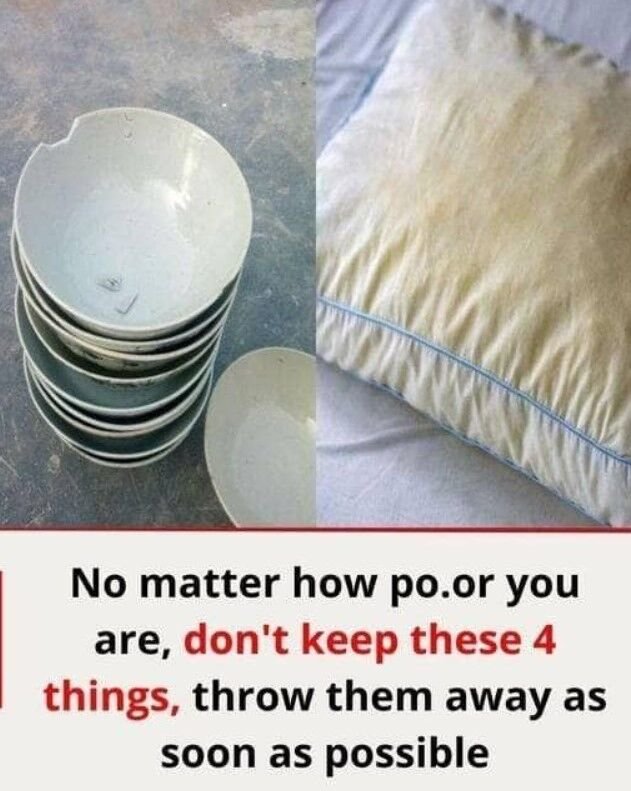
11. Cracked or Chipped Dishes
Damaged dishes can:
-
Harbor bacteria
-
Cause cuts
They’re a safety hazard.
12. Old Magazines and Newspapers
If they’re not sentimental or collectible, recycle them. Digital copies are often available.
13. Expired Batteries
Old batteries can leak corrosive chemicals. Dispose of them properly.
14. Clothes That Don’t Fit and Haven’t in Years
If you haven’t worn it in 2+ years and it doesn’t fit:
-
Donate if usable
-
Recycle if damaged
Keeping them adds guilt, not value.
10 Things You Shouldn’t Throw Away (But Many People Do)
Now let’s talk about items people often regret tossing.
1. Important Documents
Keep originals of:
-
Birth certificates
-
Property records
-
Insurance documents
-
Tax records (as required)
Digital backups are helpful, but originals still matter.
2. Quality Tools
Even if rarely used, good tools save money and frustration when needed.
3. Instruction Manuals (for Major Appliances)
They’re useful for:
-
Troubleshooting
-
Repairs
-
Resale value
Digital copies are fine, but keep at least one version.
4. Sentimental Items With Personal Meaning
Not everything needs to be “useful.”
Emotional value is still value.
5. Seasonal Items Out of Season
Holiday décor, winter gear, or summer equipment should be stored—not discarded.
6. Extra Phone Chargers and Cables
They’re inexpensive to keep and often expensive to replace at the worst time.
7. High-Quality Clothing That Needs Minor Repair
A missing button or small tear is often worth fixing.
8. Spare Keys (Labeled!)
Throwing away spare keys often leads to costly locksmith visits later.
9. Furniture That’s Structurally Sound
Cosmetic wear doesn’t mean it’s useless. Refinishing or repurposing can extend its life.
10. Hobby Supplies You Still Enjoy (Even Occasionally)
Creative activities support mental health—even if they’re not daily habits.
Common Decluttering Mistakes to Avoid
-
Decluttering when emotionally overwhelmed
-
Throwing away items out of guilt
-
Confusing “unused” with “useless”
-
Not considering replacement cost
-
Decluttering too quickly
Thoughtful decisions prevent regret.
A Simple Rule to Decide: Keep or Toss?
Ask yourself:
-
Is it safe and functional?
-
Would I buy it again today?
-
Does it serve a purpose or bring joy?
-
Can it be replaced easily?
If the answer is “no” to most—let it go.
Frequently Asked Questions (FAQs)
How often should I declutter?
Light decluttering every few months works best.
Is it okay to keep items “just in case”?
Yes—if they’re practical and stored intentionally.
Should I throw things away or donate them?
Donate usable items whenever possible.
Does decluttering reduce stress?
Many people report improved focus and calm.
What if I regret throwing something away?
That’s why intentional decisions matter more than speed.
Is digital clutter also a problem?
Yes. Digital decluttering improves productivity too.
How do I declutter with limited storage?
Prioritize function and frequency of use.
Can decluttering save money?
Yes—by preventing duplicate purchases.
Final Thoughts: Decluttering Is About Smarter Choices, Not Fewer Things
Decluttering isn’t about living with nothing—it’s about living with what matters. Knowing what to throw away protects your health and space, while knowing what to keep saves money, time, and regret.
When in doubt, slow down. Thoughtful decluttering always beats impulsive cleaning.
Call to Action
If this guide helped you see your home differently, share it with someone who’s planning a cleanup.
One good decision at a time can transform an entire space. 🏡✨