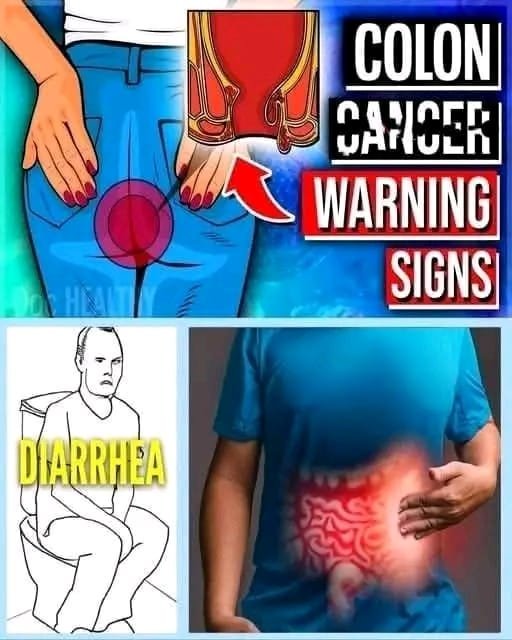
8 Early Warning Signs of Colon Cancer You Must Not Ignore
Learn the 8 early warning signs of colon cancer and why timely detection can save lives. Stay informed and know when to see a doctor.
Introduction: Why Awareness Matters
Colon cancer is one of the most common cancers worldwide, but it is also highly treatable when detected early. Unfortunately, many people ignore subtle symptoms, which can delay diagnosis and treatment.
Understanding the early warning signs can make a life-saving difference. This article explains 8 signs you should never ignore, along with guidance on when to see a doctor.
What Is Colon Cancer?
Colon cancer, also called colorectal cancer, occurs in the large intestine (colon) or rectum. Most cases start as small growths called polyps, which may become cancerous over time.
Risk Factors Include:
-
Age 50 or older (risk increases with age)
-
Family history of colon cancer or polyps
-
Certain genetic syndromes (e.g., Lynch syndrome)
-
Diet low in fiber and high in red/processed meat
-
Sedentary lifestyle, obesity, smoking, and alcohol
Early detection is critical because colon cancer is often treatable when caught in its early stages.
8 Early Warning Signs of Colon Cancer
1. Changes in Bowel Habits
-
Persistent diarrhea, constipation, or narrowing of stool
-
Feeling that the bowel doesn’t empty completely
-
Changes lasting more than a few weeks
Why it matters: Changes in bowel habits can signal obstruction or inflammation caused by polyps or tumors.
2. Blood in the Stool
-
Bright red or very dark blood in stool
-
Occult blood detectable only through stool tests
Doctor’s insight: Any unexplained bleeding should be evaluated promptly. While hemorrhoids can cause bleeding, colon cancer must be ruled out.
3. Abdominal Discomfort or Pain
-
Cramping, gas, or persistent bloating
-
Pain in the lower abdomen that doesn’t go away
Why it matters: Tumors can block the bowel, leading to discomfort or pain.
4. Unexplained Weight Loss
-
Losing weight without trying
-
Loss of appetite or early satiety
Doctor’s insight: Sudden weight loss can indicate systemic effects of cancer.
5. Fatigue and Weakness
-
Feeling unusually tired even with adequate rest
-
Pale skin or shortness of breath
Why it matters: Colon cancer can cause iron deficiency anemia due to chronic bleeding.
6. Feeling of Incomplete Evacuation
-
Needing to strain frequently without relief
-
Feeling urgency but passing little stool
This may indicate a tumor near the rectum or lower colon.
7. Persistent Gas, Bloating, or Nausea
-
Unexplained bloating
-
Stomach cramps or nausea
-
Changes that affect digestion
While these can occur in other conditions, persistent symptoms should not be ignored.
8. Rectal Bleeding or Mucus Discharge
-
Blood mixed with stool or mucus
-
Anal discomfort or irritation
Doctor’s insight: Rectal bleeding is one of the most common early signs of colorectal cancer.
When to See a Doctor
You should schedule an appointment immediately if you notice:
-
Blood in stool or rectal bleeding
-
Persistent changes in bowel habits
-
Unexplained abdominal pain or weight loss
For adults over 45–50, regular colon cancer screening (colonoscopy or stool-based tests) is highly recommended—even without symptoms.
Screening and Prevention Tips
-
Get screened early: Colonoscopy every 10 years (or sooner if at risk)
-
Eat a high-fiber diet: Fruits, vegetables, whole grains
-
Limit red and processed meats
-
Exercise regularly
-
Avoid smoking and excessive alcohol
-
Maintain healthy weight
-
Know your family history
Early screening often catches polyps before they turn cancerous.
Common Misconceptions About Colon Cancer
-
Myth: “It only affects older adults.”
Fact: Risk increases with age, but younger adults can also develop colon cancer. -
Myth: “If I feel fine, I don’t need screening.”
Fact: Early-stage colon cancer often has no symptoms. Screening saves lives. -
Myth: “Bleeding is always from hemorrhoids.”
Fact: Bleeding can indicate serious conditions, including cancer—always get it checked.
Frequently Asked Questions (FAQs)
Can diet alone prevent colon cancer?
A healthy diet reduces risk but cannot guarantee prevention. Screening is essential.
How often should I get screened?
Most average-risk adults should start at age 45; frequency depends on the test and risk factors.
Is colon cancer painful in early stages?
Often, there is no pain initially. That’s why screening is important.
Are there warning signs in women or men specifically?
Symptoms are generally similar in both sexes, though awareness may differ.
Can colon cancer cause anemia?
Yes, chronic bleeding from tumors can lead to iron deficiency anemia.
Final Thoughts: Don’t Ignore the Signs
Colon cancer can be silent in its early stages, but recognizing warning signs and getting screened early saves lives.
Even subtle changes in bowel habits, unexplained fatigue, or blood in stool should prompt a conversation with your doctor.
Call to Action
If you notice any of these warning signs—or if you’re over 45—schedule a colon screening today.
Share this article with friends and family; early awareness could save a life. ❤️