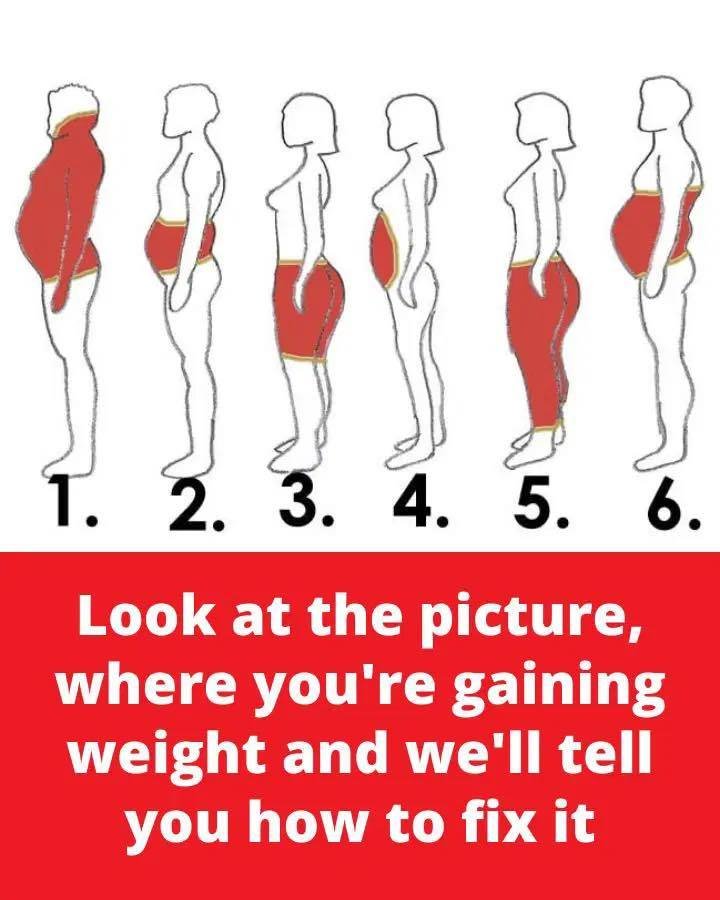
See Where You’re Accumulating Fat and We’ll Tell You How to Fix It
Discover where your body stores fat and personalized strategies to target it. Learn expert-backed tips to reduce belly, hip, thigh, and arm fat naturally.
Introduction: Not All Fat Is the Same
Did you know that where your body stores fat can reveal a lot about your health? Fat accumulation isn’t random—genetics, hormones, and lifestyle habits play a role. Understanding your body type and fat pattern can help you adopt more effective strategies to reduce it.
In this guide, we’ll explain the common fat storage areas, why they happen, and science-backed methods to target them safely and naturally.
Why Fat Accumulates in Different Areas
Fat distribution depends on several factors:
-
Hormones: Insulin, cortisol, estrogen, and testosterone influence where fat is stored.
-
Genetics: Family history determines whether you’re more prone to belly, hip, or thigh fat.
-
Lifestyle: Diet, stress, and physical activity can affect fat deposition.
Recognizing patterns is the first step to personalized fat loss.
1. Belly Fat (Visceral Fat)
Signs You Have Belly Fat
-
Waist circumference above 35 inches (women) or 40 inches (men)
-
“Apple-shaped” body
-
Fat mostly around the stomach and upper abdomen
Why It Happens
-
High stress → elevated cortisol
-
Excess sugar and refined carbs
-
Sedentary lifestyle
How to Fix It
-
Exercise: Focus on cardio (walking, cycling, swimming) and strength training
-
Diet: Reduce sugar and refined carbs; eat high-fiber foods
-
Lifestyle: Manage stress through meditation, sleep 7–9 hours nightly
-
Tip: Incorporate interval training for efficient fat burning
Health Note: Belly fat is linked to higher risk of diabetes, heart disease, and metabolic syndrome, so addressing it is especially important.
2. Hip and Thigh Fat
Signs You Have Hip/Thigh Fat
-
“Pear-shaped” body
-
Fat accumulation in lower body, especially outer thighs and hips
Why It Happens
-
Higher estrogen levels (common in women)
-
Genetics favor fat storage in lower body
How to Fix It
-
Exercise: Squats, lunges, leg lifts, and resistance band workouts
-
Diet: Focus on lean proteins and reduce processed foods
-
Lifestyle: Stay active throughout the day, avoid prolonged sitting
Note: Fat here is less dangerous than belly fat but can affect mobility and confidence.
3. Arm Fat
Signs You Have Arm Fat
-
Flabby upper arms (“bat wings”)
-
Difficulty seeing muscle definition even when lean
Why It Happens
-
Loss of muscle tone
-
Genetics and natural fat storage in upper body
How to Fix It
-
Exercise: Tricep dips, push-ups, dumbbell curls, resistance band exercises
-
Diet: Maintain a caloric balance with adequate protein for muscle building
-
Lifestyle: Incorporate functional movements like carrying groceries or yoga
Tip: Arm fat often responds well to strength training combined with overall fat loss.
4. Back Fat
Signs You Have Back Fat
-
Fat rolls above or below bra line
-
Love handles extending to sides
Why It Happens
-
Sedentary lifestyle
-
Weak back muscles
-
Poor posture
How to Fix It
-
Exercise: Rows, lat pulldowns, reverse flys, and plank variations
-
Diet: Reduce processed foods and refined sugar
-
Lifestyle: Improve posture; take breaks to stretch if sitting long hours
Tip: Strengthening the back also improves posture and reduces injury risk.
5. Face and Neck Fat
Signs You Have Face/Neck Fat
-
Puffiness in cheeks or double chin
-
Rounder face despite overall weight being healthy
Why It Happens
-
High sodium intake
-
Genetics
-
Aging → loss of skin elasticity
How to Fix It
-
Exercise: Facial exercises, jawline toning, neck stretches
-
Diet: Reduce salt, increase water intake, eat anti-inflammatory foods
-
Lifestyle: Sleep well, avoid alcohol and smoking
Tip: Facial fat is often the last to reduce, so patience is key.
6. Stubborn Fat Areas (Genetic Zones)
Some people carry fat in stubborn areas due to genetics:
-
Men → lower belly
-
Women → hips, thighs, glutes
How to Fix It
-
Full-body strength training
-
High-intensity interval training (HIIT)
-
Balanced diet with mild caloric deficit
Note: Spot reduction is mostly a myth; overall fat loss is the key.
General Tips to Reduce Fat Anywhere
-
Sleep: Aim for 7–9 hours to regulate hormones
-
Hydration: Water supports metabolism and reduces bloating
-
Stress Management: Chronic stress increases cortisol → fat accumulation
-
Consistency: Sustainable changes outperform crash diets
Frequently Asked Questions (FAQs)
Can I target fat in one area?
Spot reduction is limited; combining cardio, strength training, and diet works best for overall fat loss.
Does age affect fat distribution?
Yes. Hormonal changes with age shift fat to the belly and midsection.
How fast can I reduce fat in problem areas?
Visible results take weeks; consistency and lifestyle changes matter most.
Are certain foods better for reducing belly fat?
Fiber-rich foods, lean protein, healthy fats, and minimal sugar are recommended.
Does genetics mean I can’t reduce certain fat areas?
Genetics influence patterns but lifestyle changes can significantly reduce overall fat.
Final Thoughts: Know Your Body, Plan Smart
Understanding where you store fat helps you customize your diet, exercise, and lifestyle strategies. Fat loss isn’t just about aesthetics—it’s about health, confidence, and energy.
By identifying your fat accumulation pattern and using targeted strategies, you can transform your body naturally and sustainably.
Call to Action
Take a moment to identify your problem areas today. Start with one targeted exercise or dietary adjustment this week and track your progress. Share this article with friends—help them understand their fat patterns too! 💪✨