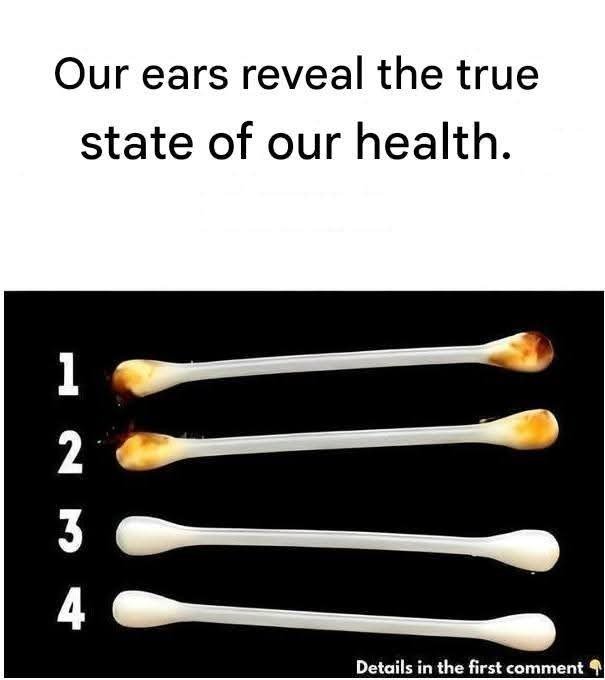
Our Ears Reveal the True State of Our Health
Your ears can reveal more than just hearing ability—they may indicate underlying health conditions. Learn what your ears can tell you about your body.
Introduction: More Than Just Hearing
When most people think of ears, they think only of hearing. But medical research shows that your ears can reveal important clues about your overall health. From changes in color and shape to earwax patterns, your ears may be giving signals about heart health, liver function, or even neurological issues.
In this article, we’ll explore:
-
How ear appearance relates to health
-
What common signs mean
-
How to monitor ear health effectively
Ear Anatomy and Health Signals
Your ears are complex organs with more than just auditory function. They include:
-
Outer ear (pinna) – the visible part of the ear
-
Middle ear – contains small bones that transmit sound
-
Inner ear – responsible for balance and hearing
Beyond hearing, the outer ear’s appearance and condition can reflect systemic health issues.
Signs Your Ears May Reveal About Your Health
1. Earlobe Creases (Frank’s Sign)
-
What it is: A diagonal crease on the earlobe.
-
Possible significance: Studies suggest a link between earlobe creases and cardiovascular disease.
-
Action: Regular heart check-ups and monitoring blood pressure, cholesterol, and lifestyle factors.
2. Changes in Ear Color
-
Red ears: Could indicate high blood pressure, inflammation, or fever.
-
Pale or white ears: May signal anemia or poor circulation.
-
Bluish ears: Can suggest low oxygen levels or cardiovascular issues.
3. Earwax Patterns and Health
-
Excessive earwax: Could be a sign of skin conditions or hormonal imbalance.
-
Unusual color (yellow, black, green): May indicate infection or liver dysfunction.
Tip: Avoid using cotton swabs deep inside the ear; instead, consult a healthcare provider for safe cleaning.
4. Ear Pain or Tinnitus
-
Ear pain: May indicate infections, dental issues, or temporomandibular joint (TMJ) disorders.
-
Tinnitus (ringing in the ears): Can reflect hearing loss, stress, high blood pressure, or neurological conditions.
5. Skin Changes or Growths on the Ear
-
Moles or skin lesions: Could indicate skin cancer or dermatological conditions.
-
Itchy or flaky skin: May signal eczema, psoriasis, or allergies.
How to Monitor Your Ear Health
-
Visual Inspection: Check your ears regularly for color, swelling, or unusual marks.
-
Hearing Tests: Periodic audiology check-ups, especially if you notice hearing changes.
-
Note Symptoms: Track ringing, pain, or dizziness.
-
Consult a Doctor: Early intervention is key for cardiovascular, neurological, or dermatological issues.
Frequently Asked Questions (FAQs)
Do all earlobe creases indicate heart disease?
Not always. Earlobe creases can be a sign but are not definitive. Consider it one factor among many in cardiovascular risk assessment.
Can ear color really reflect internal health?
Yes. Blood flow, oxygen levels, and inflammation can subtly affect ear coloration.
How often should I check my ears?
Monthly self-inspections and annual medical check-ups are sufficient for most adults.
Are earwax changes serious?
Sometimes. Persistent color changes or discharge should be evaluated by a healthcare provider.
Practical Tips for Healthy Ears
-
Maintain a balanced diet rich in vitamins and minerals.
-
Stay hydrated to support circulation.
-
Limit exposure to loud noises to protect hearing.
-
Avoid inserting objects deep into the ear canal.
-
Manage blood pressure, cholesterol, and blood sugar, as ear health can reflect systemic issues.
Conclusion: Your Ears Are Windows to Your Health
Your ears are more than sensory organs—they can offer early warning signs for cardiovascular, liver, neurological, and dermatological health issues. Paying attention to subtle changes in earlobe creases, color, earwax, and discomfort can provide valuable insights into your overall well-being.
Call to Action
Start observing your ears today. Take note of color, shape, and sensations and share your findings with your doctor during your next check-up. Your ears might just help you catch health issues before they become serious. 👂✨