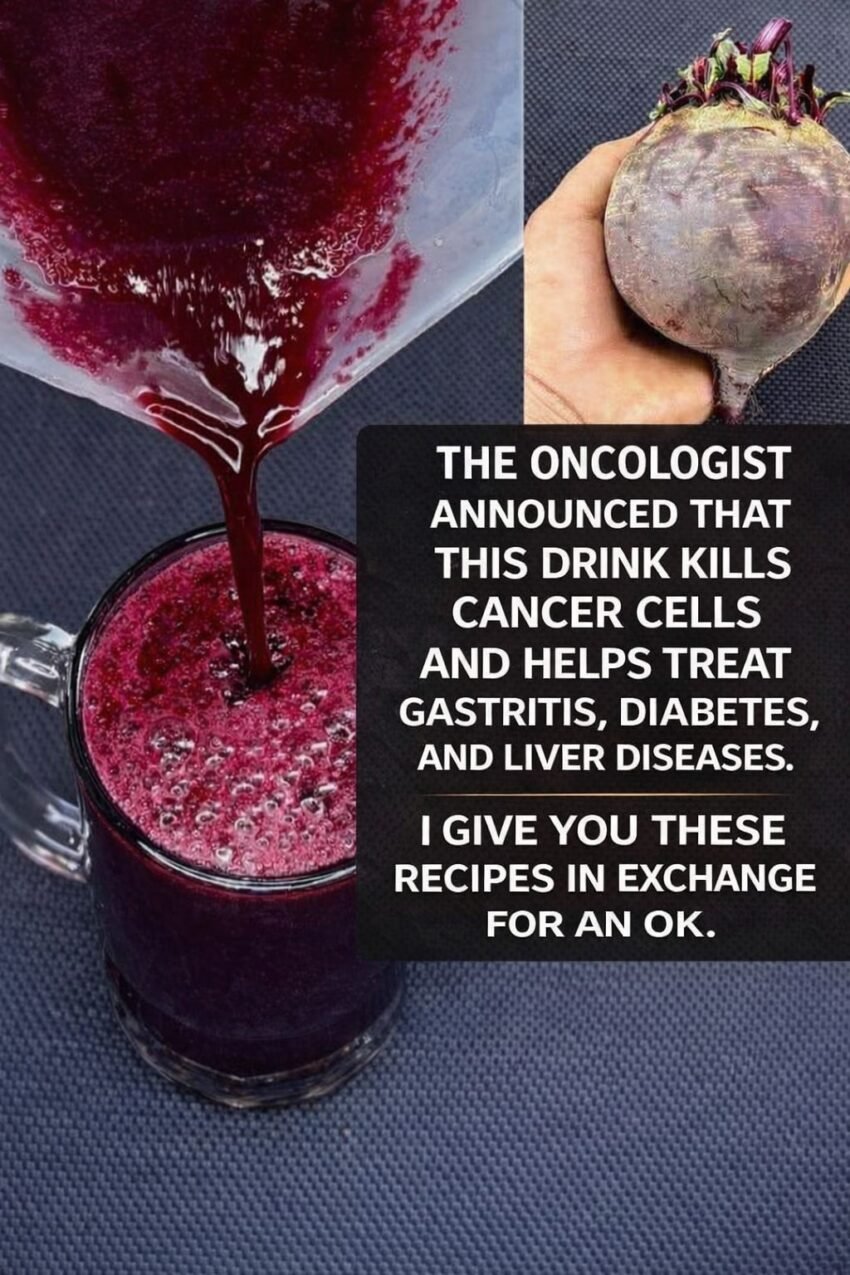
ALERT! What Science Really Says About Beetroot Juice and Cancer
You may have seen headlines claiming that beetroot juice “kills cancer cells in 42 days.” It sounds miraculous—and it grabs attention—but the reality is more nuanced.
Beetroot is nutrient-packed, full of antioxidants, nitrates, and betalains (pigments with potential health benefits). While some studies suggest it may support healthy cells and inhibit tumor growth in lab settings, there is no definitive evidence that drinking beetroot juice alone cures cancer in humans.
In this article, we’ll break down what science actually says, what beetroot juice can do, and how to use it safely as part of a healthy lifestyle.
What Beetroot Juice Contains
-
Betalains: Natural antioxidants that fight inflammation and oxidative stress
-
Nitrates: Compounds that may help improve blood flow and heart health
-
Vitamins & Minerals: Folate, potassium, vitamin C, and manganese
These compounds may contribute to general health and disease prevention, but they are not a standalone cure for cancer.
The Science Behind Beetroot and Cancer
-
Laboratory Studies:
-
Some studies in test tubes and mice suggest beetroot extract may slow the growth of certain cancer cells.
-
Example: Lab research has shown that betalains can trigger apoptosis (cell death) in some cancer cell lines, but these results are preliminary.
-
-
Human Research:
-
There is no clinical evidence proving that beetroot juice can eliminate tumors in humans in 42 days or any specific timeframe.
-
Human studies are ongoing, and beetroot may have supportive effects when combined with a healthy diet.
-
How Beetroot Juice Can Support Health
While it’s not a miracle cure, beetroot juice can:
-
Support heart health by improving blood pressure and circulation
-
Reduce inflammation and oxidative stress in the body
-
Provide energy and recovery support for active individuals
-
Complement a balanced, plant-forward diet
💡 Tip: Fresh beetroot juice is generally safe, but it may stain clothes and urine temporarily (a harmless effect called beeturia).
How to Include Beetroot Juice Safely
-
Moderation is key: 1–2 small glasses per day is enough
-
Pair with other vegetables: Carrots, apples, or ginger enhance flavor and nutrients
-
Avoid over-reliance: Beetroot juice should support a varied diet, not replace treatment prescribed by doctors
When to Seek Medical Advice
-
Never replace oncologist-recommended treatment with beetroot juice
-
If you’re undergoing chemotherapy or other treatments, check with your doctor, as beetroot may interact with medications in rare cases
-
Any persistent or concerning symptoms should prompt immediate professional evaluation
FAQs
1. Can beetroot juice cure cancer?
No. Current evidence supports potential supportive effects, not a cure.
2. How much beetroot juice is safe per day?
Typically 4–8 ounces (120–240 mL) per day is safe for most adults.
3. Can it prevent cancer?
It may support overall health, but no food or juice guarantees cancer prevention.
4. Are supplements better than fresh juice?
Whole food is generally preferred, but supplements can be used if recommended by a healthcare professional.
5. Are there side effects?
Beetroot may temporarily redden urine or stools and, in rare cases, cause stomach upset.
Conclusion
Beetroot juice is nutritious and may support your health, but it is not a miracle cancer cure. Headlines claiming it kills cancer cells in 42 days are misleading and unsupported by human evidence.
The real takeaway: eat a colorful, plant-rich diet, stay active, and follow medical advice. Beetroot juice can be a tasty, healthy addition—but it’s one part of a broader lifestyle approach.
💬 Have you tried beetroot juice as part of a healthy diet? Share your experience in the comments below and join the discussion about science-backed nutrition.